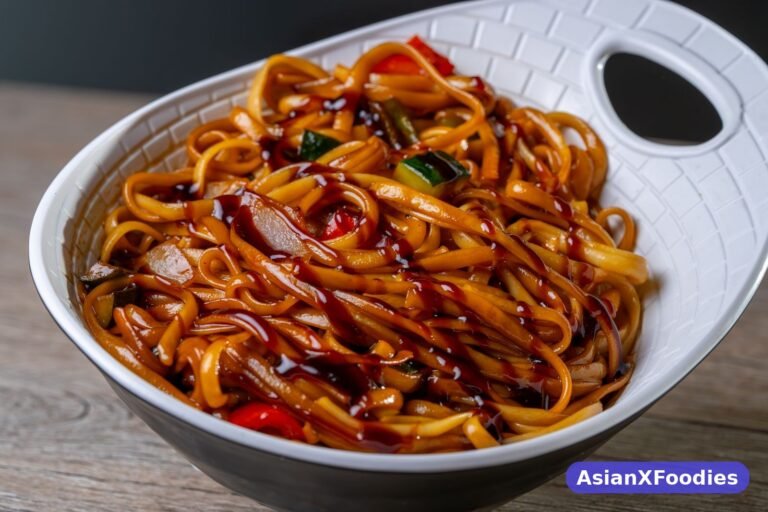
One-Pan Beef Bulgogi with Peppers and Onions
There is a particular smell that tells me dinner is going to be all right, and it is the smell of bulgogi hitting a hot pan. It is sweet and smoky all at once, soy and garlic and sesame rising up in a rush, and the first time I made it at home I stood over the stove with a wooden spoon in my hand and thought, oh, this is why people queue for Korean barbecue. I had bought a packet of thinly sliced beef on a whim, the kind that looks almost too delicate to cook with, and I had a red pepper going soft in the fridge and half an onion left from the night before. Nothing about that evening was planned. I whisked together what I had, soy sauce and brown sugar and garlic and sesame oil, and by the time the beef had spent twenty minutes in that marinade, I already knew we would be eating this again the following week. It has become one of those recipes I reach for when the day has been long and nobody in the house wants to wait, because it is fast in the way that only a hot pan and thin slices of meat can be fast.
What I love most about this version is that everything happens in one pan. There is no grill to light, no stack of dishes, no juggling three burners while the rice boils over. The peppers and onions go in first and soften until their edges catch a little colour, and then the beef goes in and cooks in minutes, curling at the edges and picking up those dark, caramelised spots that make bulgogi so hard to stop eating. The marinade does double duty too, because as the beef cooks it thickens into a glossy sauce that clings to every strip of pepper and every slice of onion. I serve it straight from the pan most nights, with the spoon still in it, and everyone helps themselves. It feels generous and a little bit celebratory, even on a Tuesday, and that is exactly what a weeknight dinner should do.
I have made this for friends who swore they did not like peppers, and watched them pick out the charred red strips first. I have made it for my neighbour, who knocked on the door halfway through cooking to ask what smelled so good, and ended up staying for a bowl. The trick, I have learned, is not to overthink it. Bulgogi is forgiving in a way that fussy recipes are not. If your beef is sliced a little thicker, you cook it a minute longer. If you only have a yellow pepper instead of a red one, use it. If you like things sweeter, add another spoonful of brown sugar. The bones of the recipe stay the same, and the result stays delicious, and that is why it has earned a permanent place in my rotation alongside my other quick Korean-inspired dinners. When I want something in the same spirit but with ground beef and even less fuss, I turn to my easy Korean beef bowls with ground beef, which uses the same sweet-savoury balance in a bowl you can build in minutes.
Why You’ll Love This Recipe
You will love this recipe because it tastes like a restaurant meal but cooks like a weeknight shortcut, and that combination is rarer than it should be. The marinade takes five minutes to whisk together, the beef needs only a short rest in it, and the whole pan is done in about fifteen minutes of cooking. There is no long list of specialist ingredients to hunt down, and nothing in it requires a technique you have not already used a dozen times. If you can slice an onion and stir a pan, you can make this, and you can make it well. I say that with confidence because the first time I made it I was tired, distracted, and cooking with a pan that was slightly too small, and it still turned out beautifully.
The flavour is the real reason it stays in my kitchen, though. Bulgogi marinade is one of those perfect balances, sweet against salty, with garlic underneath and sesame oil rounding everything off. The brown sugar does not just sweeten things, it helps the beef caramelise, so you get those dark, sticky edges that taste almost like barbecue. The peppers and onions are not an afterthought either. They soften in the pan, soak up the sauce, and turn sweet themselves, and the contrast between the tender beef and the peppers, which still have a little bite, is what makes each mouthful interesting. A squeeze of lime or a scatter of spring onions at the end lifts the whole thing, and suddenly a simple pan of beef tastes bright and fresh instead of heavy.
It is also a recipe that bends to fit your evening. Cooking for two? Halve it and use a smaller pan. Feeding a crowd? Double the beef and cook it in two batches so it sears instead of steams. Need it gluten-free? Use tamari instead of soy sauce and check your gochujang, and you are most of the way there. Want it spicier? A spoonful of gochujang in the marinade will do it. I have served this in lettuce cups for a lighter dinner, piled it over rice for hungry teenagers, and tucked it into warm wraps when we were eating on the sofa with a film on. Every version worked, because the heart of the dish, thin beef, hot pan, sweet soy marinade, is so solid. And when the pan is empty and someone asks what is for dinner tomorrow, you will already know the answer.
Ingredients You’ll Need
- 600 g thinly sliced beef (ribeye, sirloin or rump), cut into bite-size strips
- 1 large red pepper, deseeded and sliced into thin strips
- 1 large yellow or green pepper, deseeded and sliced into thin strips
- 1 large onion, halved and thinly sliced
- 4 spring onions, sliced, green and white parts kept separate
- 5 tablespoons soy sauce
- 2 tablespoons brown sugar
- 1 tablespoon sesame oil, plus 1 tablespoon vegetable oil for cooking
- 4 cloves garlic, finely minced
- 1 tablespoon grated fresh ginger
- 1 small Asian pear or Fuji apple, peeled and finely grated (about 4 tablespoons)
- 1 tablespoon rice vinegar
- 1 teaspoon gochujang (optional, for gentle heat)
- 1/2 teaspoon black pepper, freshly ground
- 1 tablespoon toasted sesame seeds, for serving
- Steamed rice, to serve
Before you start, a word about the beef, because it matters more here than in almost any other part of the recipe. Thinly sliced is not a suggestion, it is the whole point. Thick slices of beef will stew in the pan and turn grey and tough, while thin slices cook in a minute or two and stay tender, curling at the edges and catching the heat. If your butcher sells beef already sliced for stir-fry, buy that. If not, put your steak in the freezer for about forty-five minutes until it is firm on the outside but not frozen through, and then slice it as thinly as you can against the grain. I do this on a Sunday sometimes and keep the sliced beef in the freezer in portions, which means bulgogi is never more than a marinade away. The Asian pear is the other ingredient worth seeking out, because it tenderises the meat and adds a soft, round sweetness that sugar alone cannot give you. A Fuji apple works well as a substitute, and I have used a regular pear in a pinch, and the dish was still lovely, just a touch less delicate.
The peppers are your choice, and I would not be strict about colours. I like a red and a yellow together because the pan looks beautiful and the two peppers taste slightly different, the red one sweeter, the yellow one a little brighter. A green pepper adds a faint bitterness that some people love and others do not, so use it if that is what you have, or leave it out. The onion matters more than it looks like it should, because it softens into the sauce and practically melts, giving the whole dish a savoury sweetness that balances the sugar in the marinade. Do not skip the sesame oil, and do buy toasted sesame oil rather than the pale, plain kind, because the toasted one is where that nutty, almost smoky flavour comes from. It goes in the marinade and a little goes a long way, so measure it rather than pouring freely, or the dish can turn oily.
How to Make One-Pan Beef Bulgogi with Peppers and Onions
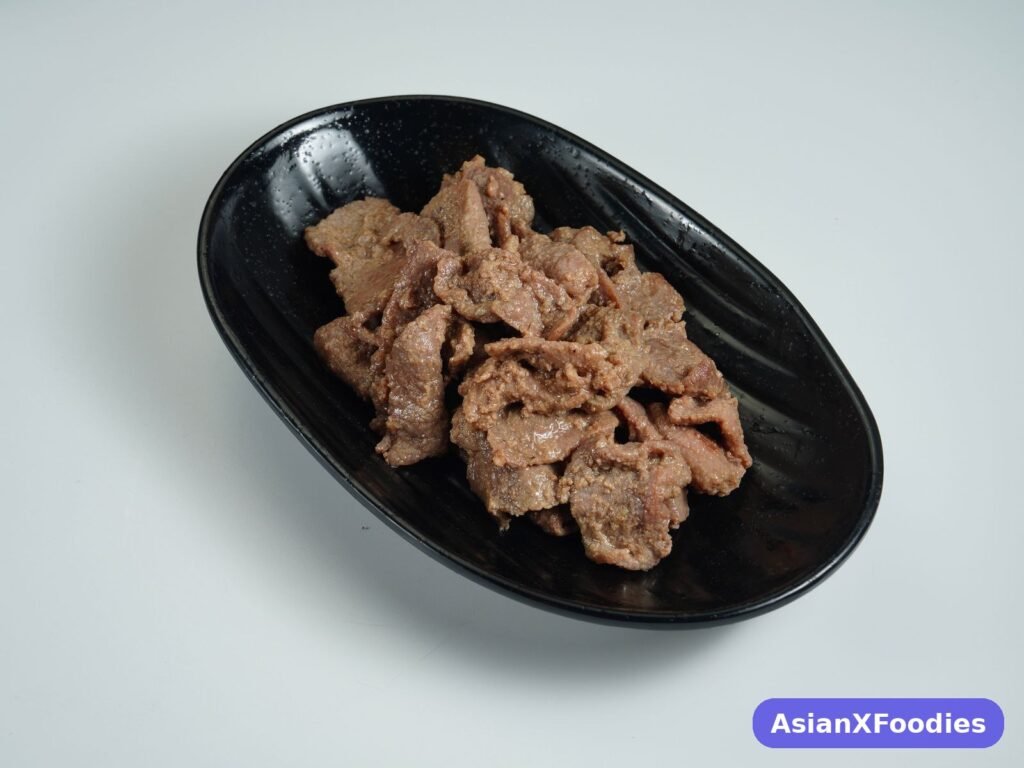
Start by making the marinade, and do it in a bowl big enough to hold the beef comfortably, because you will be tossing everything together in it and a cramped bowl makes a mess. Whisk the soy sauce, brown sugar, sesame oil, garlic, ginger, grated pear, rice vinegar, gochujang if you are using it, and black pepper until the sugar has mostly dissolved and the mixture smells sweet and garlicky and warm. It will look thin and unpromising at this stage, and that is fine, because the magic happens in the pan, not in the bowl. Add the sliced beef and the white parts of the spring onions, and then get your hands in there, or use tongs if you prefer, and turn the beef over and over until every strip is coated and glistening. I like to use my hands for this, because you can feel whether the slices are separating or clumping together, and clumped slices cook unevenly. Cover the bowl and leave it on the counter for twenty minutes, or in the fridge for up to overnight if you are planning ahead. Twenty minutes is enough for the flavour to get in, but an hour is better, and overnight is best of all, because the pear has time to work on the meat and the beef turns almost silky.
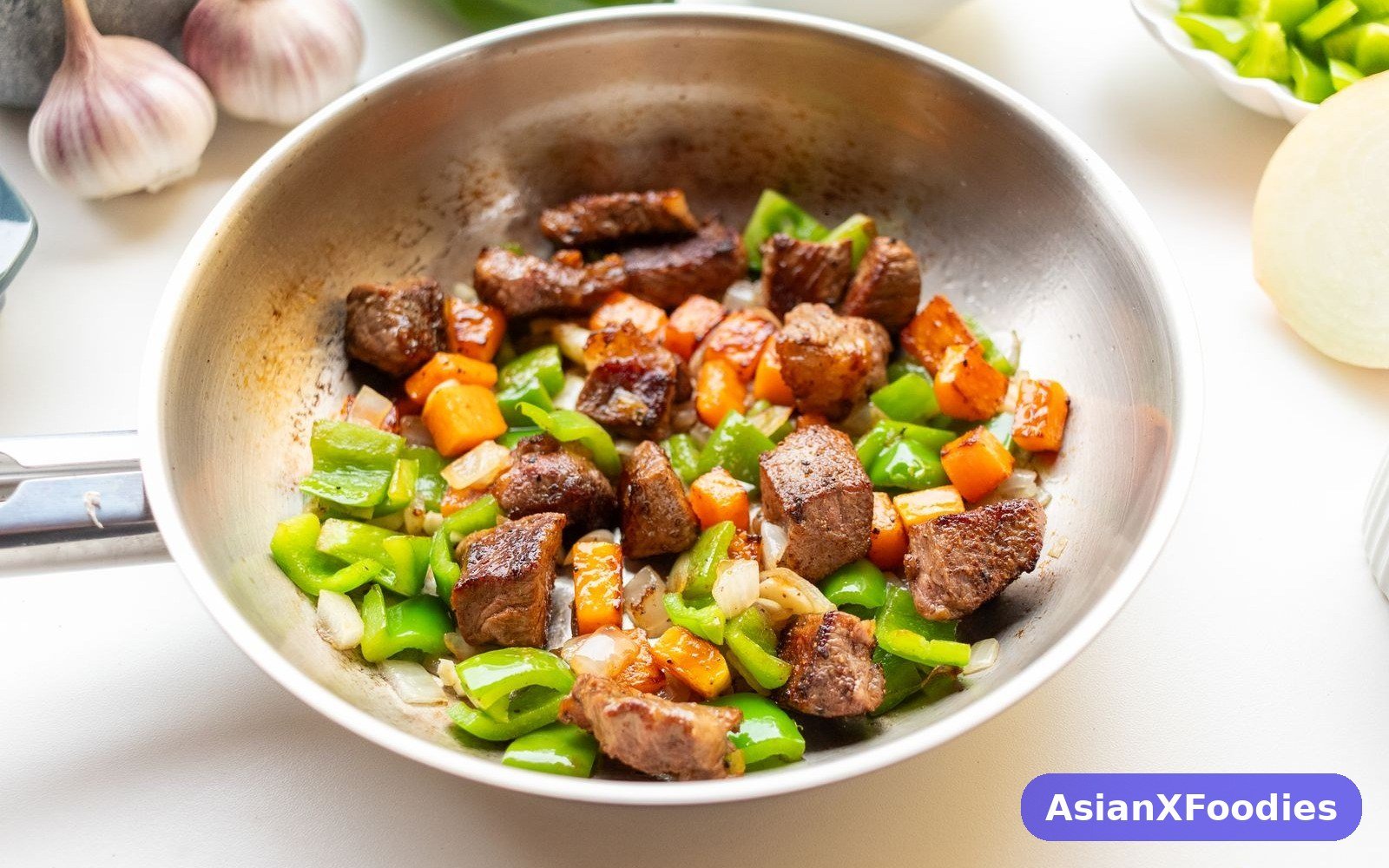
While the beef is marinating, slice your peppers and onion and set them aside in a pile, and put the rice on if you are serving it, because once the pan is hot everything moves quickly and you will not want to be chopping with one hand and stirring with the other. Heat your largest skillet or wok over medium-high heat until it is properly hot, and add the vegetable oil, swirling it around so it coats the base. Add the peppers and onion and cook them for three to four minutes, stirring often, until the onion has softened and the peppers have brightened in colour and started to catch a little char at the edges. You want them tender but still with some bite, because they will go back in the pan later and cook a little more. Scoop them out onto a plate and set them aside. This step matters more than it seems, because if you throw the vegetables in with the beef from the start, they steam instead of sear, and you lose that smoky edge that makes the dish taste like it came off a grill.
Now turn the heat up to high, and this is where you need to be brave. Add the marinated beef to the hot pan in a single layer, leaving as much marinade behind in the bowl as you can for the moment, and do not touch it for a good minute. I know it is tempting to stir straight away, but the beef needs that minute of undisturbed contact with the hot pan to brown, and browning is flavour. After a minute, turn the strips over and cook for another minute or two, until the beef is just cooked through and the edges are dark and caramelised. If your pan is not big enough to hold all the beef in one layer, cook it in two batches, because a crowded pan steams the meat and you will end up with grey, chewy beef sitting in a puddle. It is the single most common mistake with bulgogi, and it is so easy to avoid, just give the beef room. When the second batch is done, return all the beef to the pan, add the peppers and onions back in, and pour in the reserved marinade. Let it bubble for a minute or two, stirring, until it thickens into a glossy sauce that coats everything. The pear in the marinade helps here, and Just One Cookbook’s bulgogi guide explains the same tenderising trick beautifully if you want to read more about why it works. Taste it now, and adjust, a little more soy if it needs salt, a pinch more sugar if it needs sweetness, a squeeze of lime if it needs brightness. Scatter over the green spring onion tops and the sesame seeds, and take the pan straight to the table.
Tips for the Best One-Pan Beef Bulgogi
The first tip is the one I repeat every time I teach someone this recipe, and it is to get the pan genuinely hot before the beef goes in. Not warm, not medium, but hot enough that a drop of water sizzles and vanishes the moment it hits the metal. Thin beef cooks so fast that it needs that fierce heat to brown before it overcooks, and a lukewarm pan will stew it instead. I heat my skillet for a good two minutes over high heat, until I can feel the warmth rising from it when I hold my hand a few inches above, and only then do I add the oil. Cast iron is wonderful here if you have it, because it holds its heat, but a heavy stainless steel pan or a wok works well too. A thin, flimsy pan will cool down the moment the cold beef hits it, so use the heaviest pan you own.
The second tip is about the marinade time, and it is simply that longer is better, up to a point. Twenty minutes will give you a good dinner, but if you can marinate the beef for two hours, or overnight in the fridge, the difference is real. The meat turns more tender, the flavour goes deeper, and the sauce tastes rounder. Do not go past twenty-four hours, though, because the pear and the acid in the rice vinegar will start to break the meat down too far and the texture turns mushy. I usually mix the marinade in the morning if I know we are having bulgogi for dinner, and that easy bit of planning makes the evening feel effortless. If you are in a real rush, even ten minutes is better than none, so do not skip it entirely, just give it what you can.
The third tip is to taste and adjust at the end, not the beginning. Every soy sauce is a little different, some saltier, some sweeter, and the ripeness of your pear will change the sweetness too, so a recipe can only take you so far. When the sauce has thickened and everything is back in the pan, take a strip of beef and a bit of pepper and taste them together. That is how the dish will actually be eaten, and it is the only taste that matters. If it is too salty, a pinch of sugar and a squeeze of lime will balance it. If it is too sweet, a splash more soy sauce will pull it back. If it tastes flat, it almost always needs acid, so try the lime before you reach for the salt. BBC Good Food’s bulgogi recipe is a good second opinion on the balance if you are still finding your feet with Korean flavours, and comparing the two versions taught me a lot about how much sweetness I personally like.
Variations to Try
The easiest variation is to make it spicy, and this is the one my household asks for most often. Add a tablespoon of gochujang to the marinade, or two if you like real heat, and finish the dish with a drizzle of chilli oil and some sliced fresh red chilli. The sweetness of the marinade handles the heat beautifully, so it never tastes harsh, just warm and lively. If you have gochugaru, the Korean chilli flakes, a teaspoon stirred into the marinade gives a smokier heat than the paste does. I keep both in the cupboard now, because once you start cooking Korean food at home you find uses for them everywhere, and a spicy bulgogi over rice with a fried egg on top is one of the best quick dinners I know.
You can also change the vegetables with the seasons, and I do this constantly. In spring I add asparagus tips and sugar snap peas, which stay bright and crunchy and only need a minute in the pan. In autumn I use mushrooms, sliced thick so they do not disappear, and they soak up the sauce like little sponges. Courgette works well too, cut into half-moons and cooked until just tender, and so does a handful of baby spinach stirred in at the very end until it wilts. If you want a heartier pan, add a cup of cooked noodles to the finished dish and toss everything together, and the sauce will coat the noodles and turn it into a complete one-pan meal. For a lighter, fresher version in summer, I sometimes serve the beef in lettuce cups with pickled cucumber, and the cold crunch against the hot, sweet beef is wonderful.
If beef is not what you have, the marinade is generous enough to work with other proteins. Chicken thighs, sliced thin, are excellent, though they need a few minutes longer in the pan, and pork tenderloin is a classic bulgogi alternative that stays tender if you slice it thin and do not overcook it. For a meat-free night, firm tofu pressed well and cut into strips will take on the marinade, though you should pan-fry it separately first so it gets crisp before you add the sauce. Prawns are another good swap, added at the very end because they cook in two minutes. And if you love this style of cooking and want another quick pan dinner for the week, my easy garlic soy chicken stir-fry with vegetables uses a similar hot-pan method with a lighter, garlicky sauce that is lovely when you want something a little less sweet.
Serving Ideas
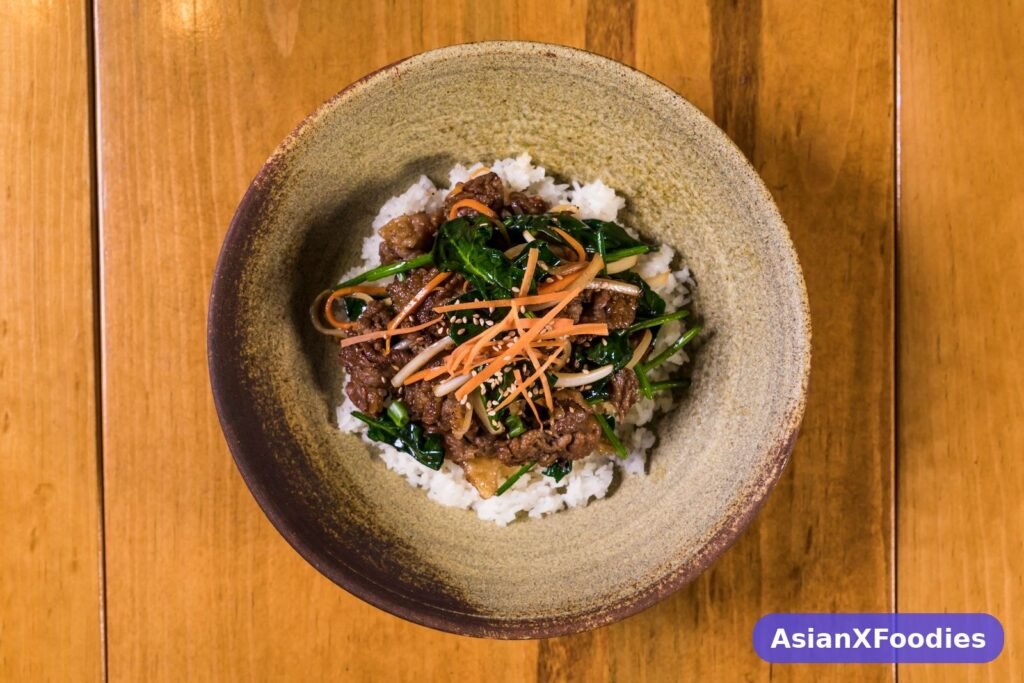
The simplest way to serve this is over a mound of steamed jasmine rice, with the sauce spooned over the top so it soaks into the grains, and that is how I serve it nine times out of ten. Short-grain rice is even better if you have it, because it is stickier and holds the sauce, and a bowl of rice with bulgogi on top, a fried egg, and some kimchi on the side is a complete meal that needs nothing else. I like to put the pan in the middle of the table with a bowl of rice each, and let everyone build their own plate, because it feels relaxed and people take exactly as much as they want, and there is always someone going back for seconds.
For something lighter, spoon the beef into butter lettuce leaves with a little rice, some shredded carrot, and a drizzle of extra sauce, and eat them like wraps. They are messy in the best way, and they make a lovely lunch or a starter for a bigger Korean-inspired spread. You can also pile the bulgogi into warm flour tortillas or flatbreads with pickled onion and a smear of gochujang mayonnaise, which is not traditional at all but tastes fantastic, and my children prefer it to the rice version. If you are feeding a crowd, set out the beef, rice, lettuce, kimchi, pickled cucumber, and a bowl of quick Asian chicken lettuce wraps without hoisin sauce as a second filling, and let everyone make their own, because a build-your-own table turns dinner into an event without any extra cooking. On the side, I almost always serve something sharp and cold to cut through the sweetness. Kimchi is the obvious choice, and a spoonful of it next to the beef is perfect, but quick pickled cucumber, made by tossing sliced cucumber with rice vinegar, sugar, and salt for ten minutes, is just as good and takes no planning. A simple green salad with a sesame dressing works too, and so does a bowl of miso soup if you want something warm. For drinks, iced barley tea is traditional and refreshing, and a cold lager is hard to beat on a warm evening. Keep the sides simple, because the bulgogi is the star, and it does not need competition.
Storage and Reheating
Leftover bulgogi keeps well, and I often make a double batch on purpose so that lunch the next day is already sorted. Let the beef cool to room temperature, then store it in an airtight container in the fridge for up to three days. The sauce will thicken as it cools and look a little gloopy, but do not worry, because it loosens up again the moment it hits a hot pan. Keep the rice separate if you can, because rice stored with the saucy beef goes soggy, and store any lettuce or fresh garnish separately too, because they wilt overnight. If you have leftover peppers and onions, they reheat fine with the beef, though they will be softer the second time, which is no bad thing tucked into a wrap.
To reheat, warm a skillet over medium-high heat with a tiny splash of water or a teaspoon of oil, and add the beef in a single layer. Cook for two to three minutes, stirring, until it is steaming hot all the way through and the sauce is glossy again. The microwave works too, in short bursts, but the pan gives you a better texture and a little fresh caramelisation, so it is worth the extra minute. I would not freeze this dish if you can avoid it, because the peppers go soft and the beef loses some of its tenderness, but if you must, freeze just the marinated raw beef in a bag for up to a month, and cook it fresh with new peppers when you defrost it. That way you get the convenience of a freezer meal without sacrificing the texture. For another make-ahead one-pan dinner that reheats beautifully, my one-pan chicken biryani with fragrant spices is the one I batch-cook most often, and it tastes even better the next day.
Frequently Asked Questions
Can I make beef bulgogi without Asian pear?
Yes, you can, and it will still be delicious. The pear adds sweetness and helps tenderise the meat, but a Fuji apple, a regular pear, or even a tablespoon of grated kiwi will do a similar job. If you have none of those, leave the fruit out and add an extra teaspoon of brown sugar and a splash more rice vinegar, and the marinade will still be balanced. I have made it without fruit many times when the shops were out, and nobody at the table noticed.
What is the best cut of beef for bulgogi?
Ribeye is the classic choice because it has enough fat to stay juicy and tender, and it slices beautifully when it is partly frozen. Sirloin is a good, leaner option that still works well, and rump is fine if you slice it very thinly against the grain. Avoid stewing steak or anything with a lot of connective tissue, because it will stay tough no matter how thin you slice it. If your butcher has beef labelled for stir-fry, that is usually a good bet.
How thin should I slice the beef?
As thin as you possibly can, ideally about two to three millimetres, so thin that you can almost see through it. The easiest way is to freeze the steak for forty-five minutes first, until it is firm but not solid, and then slice it against the grain with your sharpest knife. If you buy pre-sliced beef, check that the slices are not too thick, and if they are, cut them in half lengthways. Thin slices cook in a minute or two and stay tender, which is the whole secret of good bulgogi.
Can I cook bulgogi in the oven or air fryer?
You can, though the pan gives the best result. In the air fryer, spread the marinated beef in a single layer in the basket and cook at 200°C for eight to ten minutes, shaking halfway through, but the peppers are better cooked separately. In the oven, spread the beef on a hot baking tray and grill it for a few minutes until it browns, watching it closely because it can burn quickly. Both methods work, but neither gives you the same glossy pan sauce, so if you can, use a skillet.
Is bulgogi gluten-free?
Not as written, because regular soy sauce contains wheat. To make it gluten-free, use tamari or a certified gluten-free soy sauce, and check that your gochujang is gluten-free, because some brands are not. Everything else in the recipe is naturally gluten-free, and the flavour is so close to the original that you will not feel you are missing out. Serve it with rice and gluten-free sides, and it is a completely safe meal.
What should I serve with bulgogi besides rice?
Lettuce cups are my favourite lighter option, and warm flatbreads or tortillas work well too. On the side, kimchi, pickled cucumber, a simple sesame salad, or steamed broccoli all balance the sweetness of the beef. If you want a bigger spread, add a bowl of soup and a second dish, and let people help themselves family-style. The beef is rich and sweet, so anything fresh, sharp, or crunchy makes a good partner.