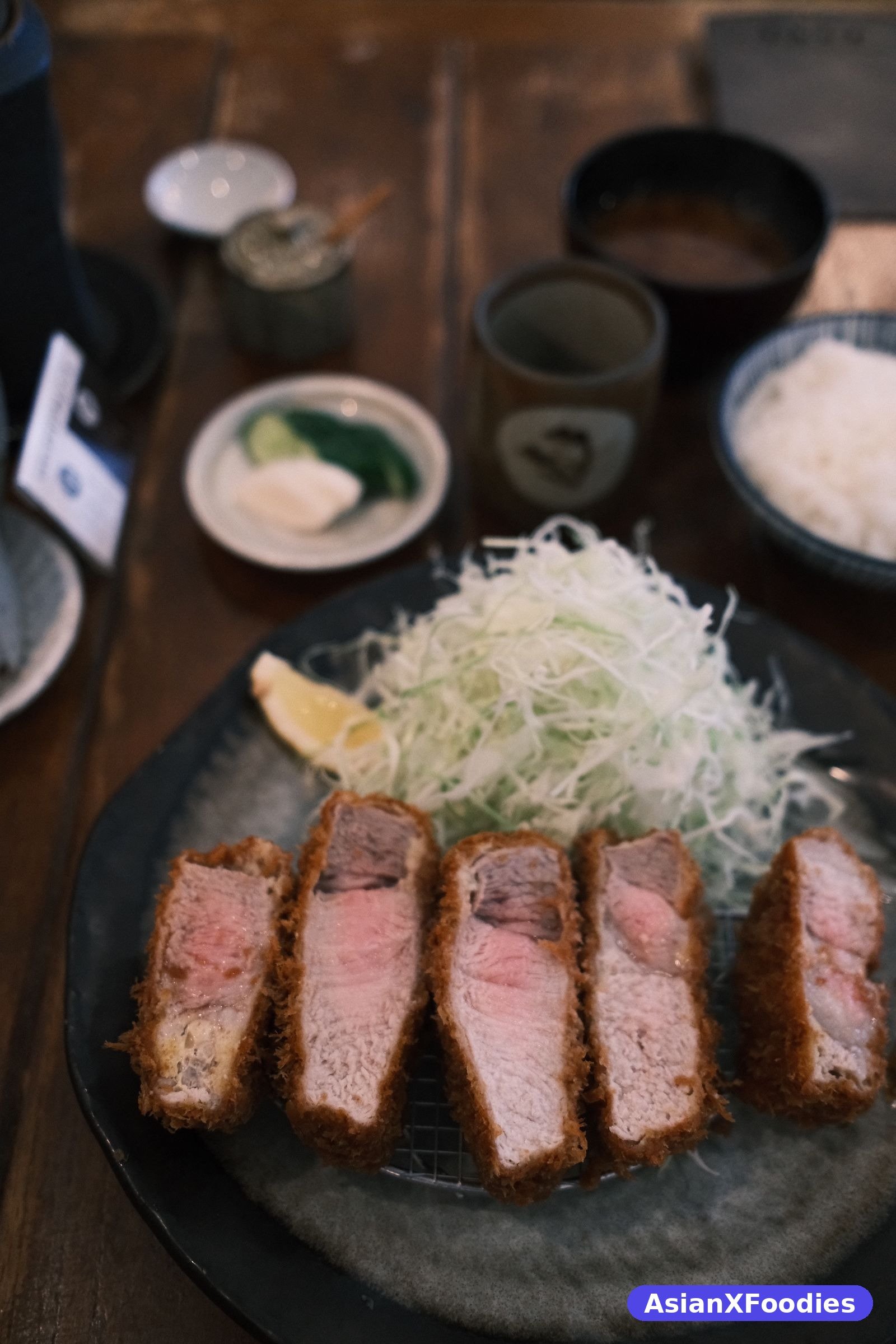
Air Fryer Pork Tonkatsu with Tonkatsu Sauce
The first time I ate proper tonkatsu, I was sitting at a counter in a small Tokyo restaurant with about eight seats, watching the cook work. There was no menu to speak of — you ordered tonkatsu, or you ordered tonkatsu with a little more tonkatsu — and the whole place smelled of hot oil and toasted breadcrumbs. The cook took a thick pork loin, pounded it flat with the heel of his hand, dipped it in flour, egg, and panko, and lowered it into the oil. A few minutes later it came out the colour of autumn leaves, he rested it on a wire rack, and then he sliced it with a long knife into neat strips that fanned out across the plate. I cut a piece with the side of my fork, dipped it in the dark sauce, and the crust shattered. It was the loudest quiet food I had ever eaten, and I have been chasing that crunch ever since.
I do not deep-fry at home very often. I do not like the smell that stays in the kitchen, I do not like the pot of used oil waiting on the counter, and I do not like standing over a pan watching a thermometer. For a long time that meant tonkatsu was a restaurant-only food for me, something I ordered when I was out and never attempted in my own kitchen. Then I tried it in the air fryer, half expecting a sad, pale imitation, and it worked. The panko went golden and crisp, the pork stayed juicy, and the whole thing took about twelve minutes in the basket with barely any oil at all. It was not identical to the Tokyo version — deep frying still wins on sheer richness — but it was close enough that I have made it at home dozens of times since, and nobody at my table has ever complained that it was not fried in a litre of oil.
This recipe is the version I have settled on. It uses pork loin chops, which are the right cut because they are thick enough to stay juicy but lean enough to cook through quickly, and it uses panko breadcrumbs, which are the whole point of tonkatsu. Panko flakes are larger and drier than ordinary breadcrumbs, so they fry up lighter, airier, and crisper, and they stay crisp under sauce in a way that regular breadcrumbs never do. The sauce is homemade, and it takes about two minutes to stir together — ketchup, Worcestershire sauce, soy sauce, a little sugar and a little mustard — and it tastes so much better than the bottled version that I have stopped buying the bottle entirely. Serve it with a pile of finely shredded cabbage, a bowl of plain rice, and maybe a little bowl of miso soup, and you have a proper Japanese set meal on an ordinary Tuesday night.
If you have never cooked tonkatsu before, this is a good first recipe, because there is nothing fiddly about it. You pound the pork, you bread it, you put it in the air fryer, and you make the sauce while it cooks. The whole meal takes about thirty-five minutes, and most of that is the rice cooking itself in the background. And if you have made tonkatsu before, in a pan full of oil, I think you will like the air fryer version — it is less messy, it uses a fraction of the oil, and you can cook a whole batch at once without standing over the stove. The crunch is the reward, and the air fryer delivers it.
Why You’ll Love This Recipe
The crunch is the first reason, and it is a real one. A good tonkatsu crust is one of the great textures in cooking: light, dry, and shatteringly crisp, the kind of crust that crackles when you cut into it and stays crisp even after you dip it in sauce. The air fryer is surprisingly good at this, because the hot air circulates around the cutlet and dries the panko out evenly, and a light spray of oil gives it that fried flavour and colour without any pooling or greasiness. I was sceptical the first time I tried it, because I assumed an air fryer would produce a dry, pale cutlet, but the opposite happened. The crust went deep golden, the pork stayed moist, and the whole thing ate like a proper tonkatsu.
The second reason is that it is far less messy than the traditional method. Deep frying means a pot of hot oil, a splatter screen, a kitchen that smells of frying for hours, and a container of used oil to deal with afterwards. The air fryer means a basket, a quick spray of oil, and a wipe-down when you are done. I cook this on weeknights now, which I would never have done with the deep-fried version, and that alone makes the recipe worth having. The difference in mess is enormous and the difference in taste is small, and that is a trade I will make every time.
It is also a very forgiving recipe, which matters more than it sounds. Pork loin is a forgiving cut — it does not dry out as quickly as chicken breast, and it does not need the precise timing that fish needs. The breading is three steps, flour, egg, panko, and none of them is hard. If your cutlets are a little uneven, the air fryer does not care. If you cook them a minute too long, they will still be good. I have made this for friends who arrived early and for a table where half the guests were late, and it has worked both times, because the cutlets rest happily on a wire rack while you wait, and they stay crisp for a good fifteen minutes.
Finally, it is a complete meal that feels like a treat. A plate of sliced tonkatsu next to a mound of finely shredded cabbage, with a bowl of rice and a little dish of sauce, looks like something from a restaurant, and it tastes like it too. It is the dish I make when I want dinner to feel special without actually doing very much work. Children love it, because it is basically a very good pork nugget with a sweet, dark sauce for dipping. Adults love it, because it is rich and satisfying without being heavy. It is the kind of meal that makes people go quiet for the first few minutes, which is the highest compliment a home cook can get.
Ingredients You’ll Need
- 4 boneless pork loin chops, about 180g each and 2cm thick
- 1 teaspoon salt
- 1/2 teaspoon black pepper
- 60g plain flour
- 2 large eggs, beaten
- 120g panko breadcrumbs
- Vegetable oil spray, or 2 tablespoons vegetable oil for brushing
- 1/4 white cabbage, very finely shredded, for serving
- 1 lemon, cut into wedges, for serving
- Cooked Japanese short-grain rice, for serving
- 4 tablespoons tomato ketchup, for the tonkatsu sauce
- 2 tablespoons Worcestershire sauce, for the tonkatsu sauce
- 1 tablespoon light soy sauce, for the tonkatsu sauce
- 1 tablespoon mirin or 1 teaspoon sugar, for the tonkatsu sauce
- 1 teaspoon Dijon mustard, for the tonkatsu sauce
- 1/2 teaspoon garlic powder, for the tonkatsu sauce
How to Make Air Fryer Pork Tonkatsu with Tonkatsu Sauce
Start with the pork, because everything else depends on it being the right thickness. Put a pork chop between two sheets of baking paper or cling film, and pound it gently with a rolling pin or the flat side of a meat mallet until it is about 1.5cm thick all over. You are not trying to make it thin — tonkatsu should be a proper, thick cutlet — you are just evening it out so it cooks at the same rate. A chop that is thick on one side and thin on the other will be overcooked on the thin side before the thick side is done, and pounding fixes that in about thirty seconds. Do this for all four chops, and season both sides with the salt and pepper. I season after pounding, because the salt on the surface helps the flour stick, and because I want the seasoning to be on the meat itself, not lost in the breading.
Set up your breading station, which is three shallow bowls in a row: flour in the first, beaten egg in the second, panko in the third. Take a chop and dredge it in the flour, turning it over so both sides are coated, and shake off the excess. The flour layer should be thin and even — if it is clumpy, the egg will not stick properly. Then dip it in the egg, letting the excess drip off, and finally press it into the panko, turning it over and pressing firmly with your hands so the crumbs attach. Press them in properly. This is the step people rush, and it is the step that decides whether the crust stays on or falls off. The crumbs should look like a thick, even blanket, with no bare patches of egg showing through. Put the breaded chop on a plate and repeat with the rest. Let the breaded chops rest for five minutes before cooking, which helps the coating set and stick.
While the chops rest, make the sauce, because it takes two minutes and you want it ready the moment the tonkatsu comes out. Put the ketchup, Worcestershire sauce, soy sauce, mirin or sugar, Dijon mustard, and garlic powder in a small bowl and whisk them together until the mixture is smooth and glossy. Taste it. It should be sweet, tangy, and deeply savoury, with the Worcestershire sauce giving it a dark, almost fruity note and the mustard adding a little warmth at the back. If it tastes too sharp, add a pinch more sugar. If it tastes too sweet, add another splash of Worcestershire sauce. I make the sauce while the first batch is in the air fryer, so it is ready the second the pork comes out, and I always make a little more than I think I need, because someone always asks for extra.
Preheat the air fryer to 200°C for three minutes. Lightly spray or brush the basket with oil, and lay the chops in a single layer, leaving a little space between them. They will not shrink much, but they do need the hot air to circulate around them, and if they are crowded, the sides that are touching will steam instead of crisping. Spray or brush the tops of the chops lightly with oil — this is what makes the panko go golden and crisp, so do not skip it, and do not drown them either. A light, even coating is enough. Cook for twelve minutes, turning them over halfway through, and spraying the second side lightly with oil when you turn them. They should come out deep golden brown, with a crust that looks dry and crackly. If they are pale after twelve minutes, give them another two minutes, because every air fryer runs a little differently, and colour is a better guide than the clock.
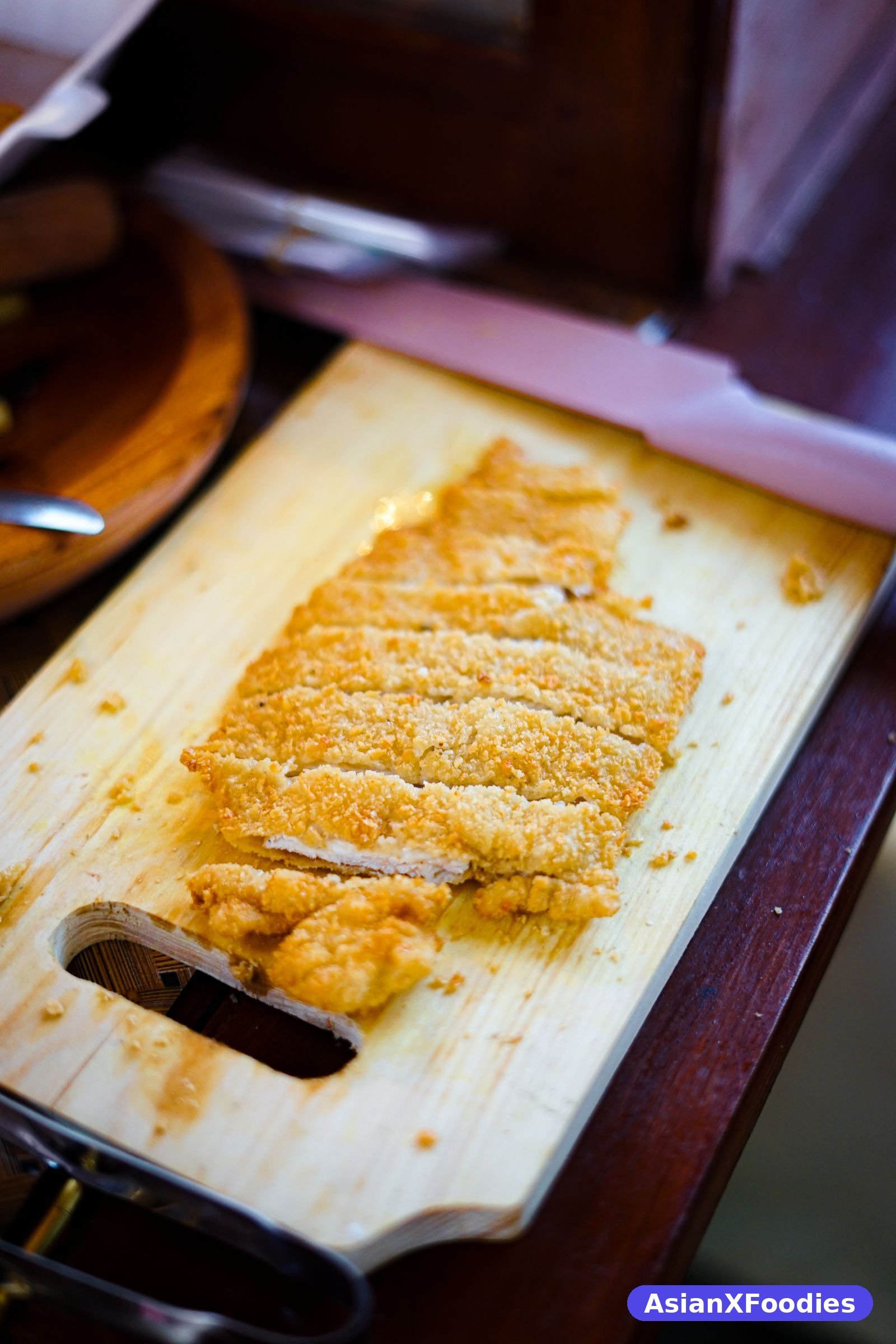
Rest the tonkatsu on a wire rack for three minutes before you slice it. This is not optional, and it is the step I see people skip most often. The crust is still setting when it comes out of the basket, and if you cut into it straight away, the steam inside the pork will soften the coating from underneath and you will lose some of that crunch. Three minutes on a rack lets the steam escape and the crust firm up, and it makes a noticeable difference. Do not rest the cutlets on a plate, because the bottom will go soft against the plate — a wire rack, or even a couple of chopsticks laid across a plate, keeps the air moving underneath.
Slice each cutlet across the width into strips about 2cm wide, using a sharp knife and a single, confident cut for each slice. Do not saw at it, because sawing drags the crust off the meat. Fan the slices out on a plate next to a mound of finely shredded cabbage and a wedge of lemon, and pour the sauce into a small dish on the side. The traditional way to serve tonkatsu is with the sauce poured over the top, but I prefer it in a small dish, because it lets each person dip as much or as little as they like, and the crust stays crisp right to the last bite. Eat it with rice and a little mustard on the side, the way it is served in Japan, and do not be shy about the cabbage — it is there to be eaten, not as decoration, and the cool, crisp cabbage against the hot, rich pork is one of the best parts of the meal.
If you want the full Japanese set meal, a bowl of miso soup and a few pickles on the side complete it, and both take almost no effort. I usually make a quick miso soup while the tonkatsu cooks — a pot of dashi or even just hot water, a spoonful of miso paste, a handful of cubed tofu and some sliced spring onions — and it is ready in five minutes. The soup is light and savoury, which is exactly what you want next to something as rich as a breaded cutlet, and the whole meal together tastes like a proper restaurant lunch. If you are short on time, skip the soup and just serve the tonkatsu with rice and cabbage, and it will still be a very good dinner.
If you like this kind of crisp, golden cutlet, my chicken katsu curry with Japanese rice uses the same panko technique on chicken, with a thick homemade curry sauce instead of tonkatsu sauce, which is a good comparison if you want to try both. And if you enjoy cooking with the air fryer, the air fryer Japanese chicken karaage is the one I make when I want something just as crunchy but with a juicy, marinated bite instead of a breaded crust.
Tips for the Best Air Fryer Tonkatsu
Buy the right pork. Pork loin chops are the classic cut, because they are thick, they cook evenly, and they stay juicy. Do not use pork tenderloin, which is too thin and dries out quickly, and do not use pork shoulder, which is too fatty for this. Look for chops that are about 2cm thick with a small cap of fat on one edge — that fat renders as it cooks and keeps the meat moist, and it is part of what makes tonkatsu taste so good. If your chops are very thick, pound them down a little more. If they are very thin, reduce the cooking time by two minutes.
Do not use ordinary breadcrumbs. Panko is not a fancy substitute, it is the ingredient that makes tonkatsu what it is. The flakes are made from crustless bread, so they are larger, lighter, and drier than regular breadcrumbs, and they fry up into a crust that is airy and shatteringly crisp instead of dense and heavy. You can find panko in most supermarkets now, in the Asian food aisle, and it keeps for months in the cupboard. If you only have regular breadcrumbs, the recipe will still work, but the crust will be denser and it will go soft faster, so it is worth buying the panko.
Press the panko on firmly, and let the breaded chops rest before cooking. These two small things are the difference between a crust that stays on and a crust that falls off in the basket. Press the crumbs into the egg with the palm of your hand, turning the chop over and pressing the other side too, until the coating feels attached rather than just sitting on the surface. Then let the chops sit for five minutes, which gives the egg time to set and the flour time to absorb the moisture, and the whole coating firms up into a single layer. I do this while the air fryer preheats, so it costs no extra time.
Do not crowd the basket, and do not skip the oil spray. The air fryer works by circulating hot air, and if the chops are packed in tight, the air cannot get to the sides and the crust will steam instead of crisping. Cook two at a time if your basket is small, and keep the first batch warm on a wire rack in a low oven at 120°C while the second batch cooks. And the oil spray matters — panko without any oil will go pale and dry, not golden and crisp. A light spray on both sides is all it takes, and it makes the difference between a crust that looks fried and one that looks baked.
Finally, slice the tonkatsu after resting, not before, and use a sharp knife. A dull knife drags the crust and tears it, and a sawing motion does the same. One clean cut per slice, straight down, and the strips will hold together beautifully, with the crust intact and the juicy pork showing in the cross-section. Serve it immediately, while the crust is at its crispest, because tonkatsu waits for no one — it is at its best in the first ten minutes, and it is still good after that, but the first ten minutes are the ones you will remember.
What to Serve with Tonkatsu
Shredded cabbage is not optional, and I say that as someone who used to treat it as a garnish. In Japan, tonkatsu is always served with a generous mound of very finely shredded raw cabbage, and it is there for a reason. The cabbage is cool, crisp, and slightly sweet, and it cuts through the richness of the fried pork in a way that nothing else does. Shred it as finely as you can — I use a mandoline, but a sharp knife and a little patience work just as well — and pile it high on the plate. A squeeze of lemon over the cabbage and a drizzle of the tonkatsu sauce on top is how it is usually eaten, and it is genuinely delicious.
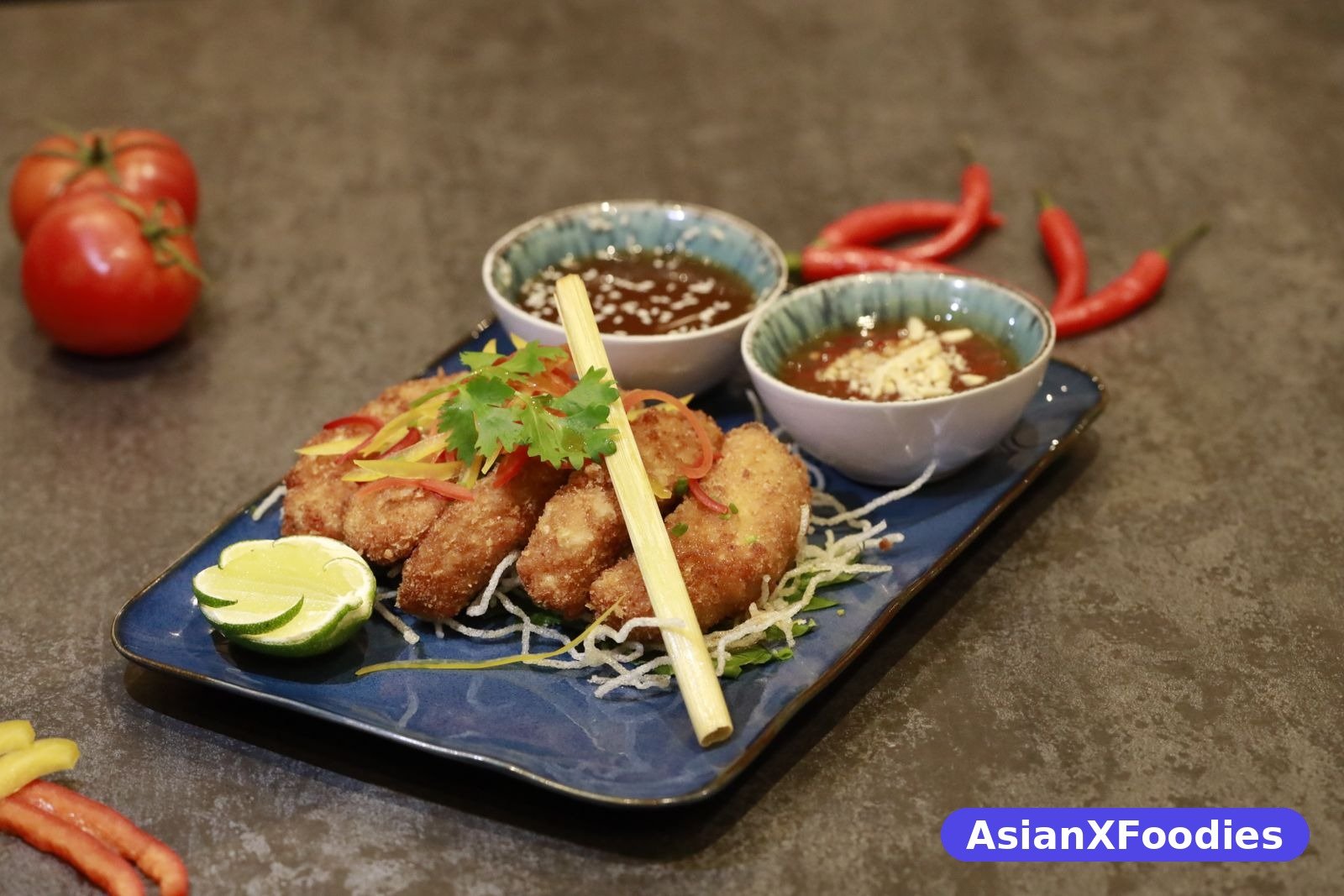
Plain rice is the other essential, and it should be Japanese short-grain rice if you can get it, because it is slightly sticky and it holds together in a neat mound on the plate, which is part of how the dish is meant to look. Jasmine rice works as a substitute. Cook it plain, with no salt and no butter, because the sauce brings all the flavour and the rice is there to be a calm, steaming base for it. A bowl of miso soup on the side completes the set meal, and a few pickles — pickled ginger, or a small dish of pickled cucumber — add a sharp, bright note that keeps the meal from feeling heavy.
If you want to turn it into a sandwich, which is a real thing in Japan and a very good one, slice the tonkatsu, lay it between two slices of soft white bread spread with a little mustard and a spoonful of tonkatsu sauce, and press it down gently. A katsu sando is the kind of sandwich that makes you wonder why you ever ate anything else for lunch, and it uses up leftover tonkatsu beautifully. Cut it in half diagonally, wrap it in baking paper, and it is the best packed lunch you will have all week.
How to Store and Reheat Leftovers
Tonkatsu keeps well, but the crust is the thing that suffers, so store it properly. Let the cutlets cool completely, then store them whole — do not slice them — in an airtight container in the fridge for up to two days. The sauce keeps separately in a small jar in the fridge for up to a week, and the cabbage should be stored on its own, because it wilts quickly once it has been dressed. I store the three parts separately, and it takes thirty seconds longer, but it means each part is still good when I want it.
To reheat, use the air fryer, not the microwave. A microwave will make the crust soft and chewy, which is a waste of a good cutlet. Put the whole cutlet in the air fryer at 180°C for four to five minutes, until it is hot through and the crust is crisp again. It will not be quite as crisp as when it was fresh, but it will be close, and it will be far better than any other method. If you have a lot of leftover tonkatsu, the katsu sando sandwich above is the best use for it, because the bread and sauce hide any loss of crispness, and it is honestly one of my favourite lunches.
You can also freeze breaded, uncooked cutlets, which is a useful thing to know. Bread the chops, lay them on a tray lined with baking paper, freeze them until solid, and then stack them in a freezer bag with a sheet of baking paper between each one. They keep for up to a month, and you can cook them straight from frozen — just add three or four minutes to the cooking time, and spray them with oil the same way. I keep a bag in my freezer for nights when I do not feel like cooking, and it has saved dinner more than once.
Frequently Asked Questions
Can I use chicken instead of pork for this recipe?
Yes, and it works very well. Use boneless chicken thighs, pounded to an even thickness, and cook them for the same time as the pork. Chicken thighs stay juicy in the air fryer, which is why I prefer them to chicken breast here — breast can dry out if you cook it a minute too long, and thighs forgive you. The sauce, the cabbage, and the rice all stay the same. If you want a chicken version with a curry sauce instead, my chicken katsu curry is the one to try, and if you like air fryer snacks, the crispy Asian chicken wings in the air fryer use the same idea of a crunchy coating with almost no oil.
Why is my panko coating falling off in the air fryer?
This usually happens for one of three reasons. First, the pork was wet when you breaded it, so the flour never stuck — pat the chops dry with kitchen paper before you start. Second, the panko was not pressed on firmly enough, so it was only sitting on the surface — press it in with your hands until it feels attached. Third, you moved the cutlets around in the basket too soon, before the crust had set — let them cook undisturbed for the first six minutes, and only turn them once, halfway through. Letting the breaded chops rest for five minutes before cooking also helps the coating set, and it is the step most people skip.
Can I make the tonkatsu sauce ahead of time?
Yes, and it is a good idea. The sauce keeps in a sealed jar in the fridge for up to a week, and it actually tastes better after a day, because the flavours settle and deepen. Make a double batch and keep it on hand — it is also very good as a dipping sauce for my air fryer gyoza with dipping sauce, and it works as a glaze for grilled chicken. If you run out of Worcestershire sauce, a splash of soy sauce and a little vinegar will get you close, but the Worcestershire sauce is what gives tonkatsu sauce its dark, fruity depth, so it is worth keeping a bottle in the cupboard.
What is tonkatsu sauce made of?
Tonkatsu sauce is a thick, dark, sweet-savoury sauce, a little like a Japanese version of Worcestershire sauce mixed with ketchup. The bottled version is usually made from fruit and vegetable purees, sugar, vinegar, and spices, and the homemade version in this recipe uses ketchup, Worcestershire sauce, soy sauce, mirin, mustard, and garlic powder to get the same balance in two minutes. If you want to learn more about where the dish comes from, the history of tonkatsu on Wikipedia is a good read — it was introduced to Japan in the late nineteenth century, adapted from European cutlets, and it has been a staple of Japanese set meals ever since. For a traditional deep-fried version to compare, Just One Cookbook’s tonkatsu recipe is the one I recommend.
Can I cook tonkatsu in the oven instead of the air fryer?
You can, though the air fryer gives a crisper result. Heat the oven to 220°C, put the breaded chops on a wire rack set over a baking tray, spray them well with oil, and bake for fifteen to eighteen minutes, turning them once. The wire rack matters, because it lets the hot air circulate underneath and keeps the bottom of the crust from going soft. The crust will be a little less golden than the air fryer version, but it will still be crisp, and it is a good option if you are cooking for a crowd and your air fryer basket is small.