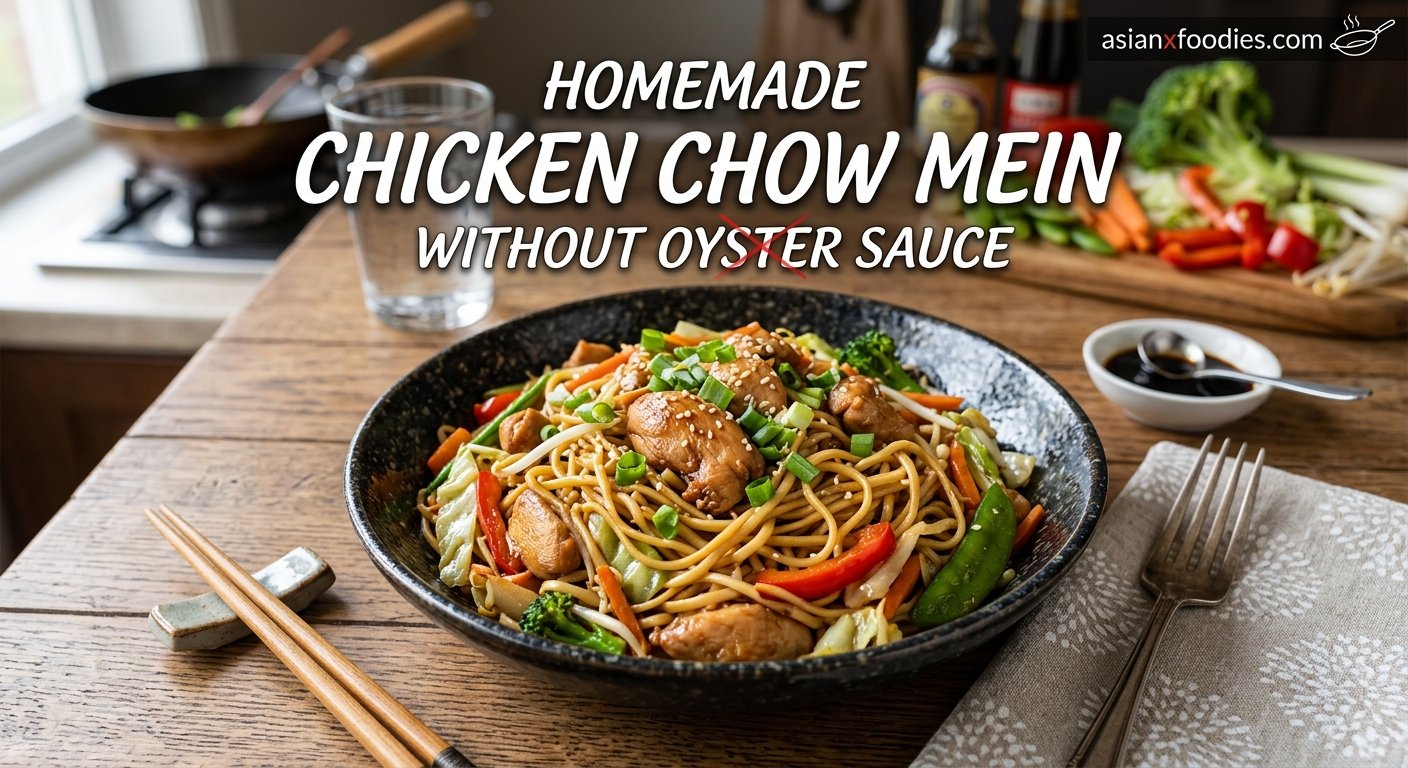
Homemade Chicken Chow Mein Without Oyster Sauce
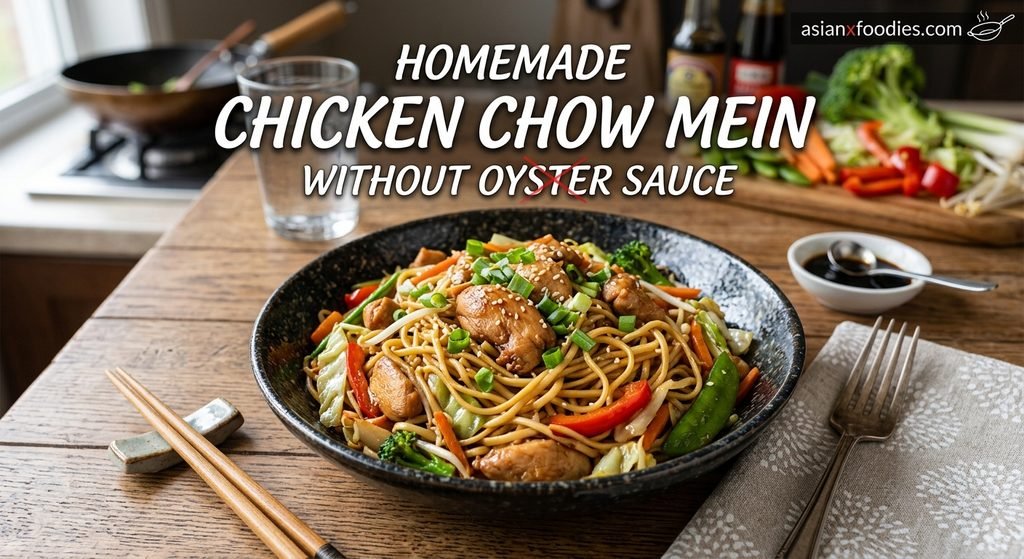
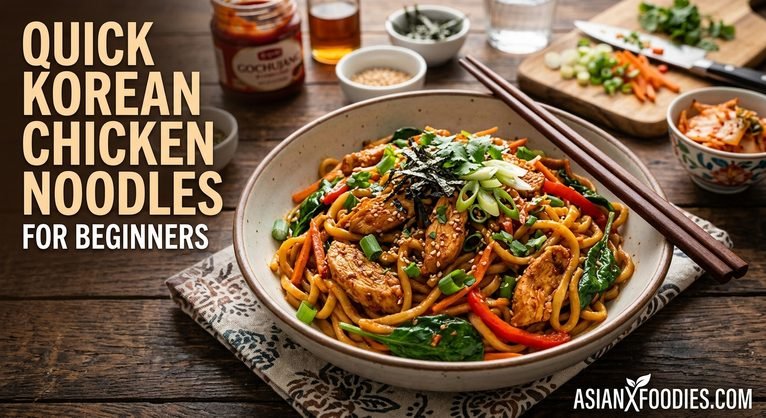
Homemade chicken chow mein without oyster sauce is a delicious, easy-to-make meal that brings the flavors of your favorite Chinese-inspired takeout right into your kitchen. Made with tender chicken, stir-fried vegetables, soft noodles, and a savory homemade sauce, this recipe is perfect for busy weeknights when you want something flavorful without spending too much time cooking.
The best part about this chicken chow mein recipe is that you do not need oyster sauce to achieve a rich, satisfying flavor. A simple combination of soy sauce, garlic, ginger, a little sugar, and a few pantry staples creates a delicious sauce that coats every noodle beautifully. Whether you are avoiding oyster sauce because of allergies, dietary preferences, or simply because you do not have it at home, this recipe is a great alternative.
This homemade chicken chow mein is quick, budget-friendly, and customizable. You can use your favorite vegetables, adjust the seasoning to your taste, and prepare the entire meal in one pan. It is ideal for family dinners, meal preparation, or whenever you crave restaurant-style noodles at home.
Why You Will Love This Homemade Chicken Chow Mein
There are plenty of reasons to make chicken chow mein at home, especially when you can prepare it without oyster sauce.
- No oyster sauce required: The homemade sauce uses everyday ingredients that are easy to find in most kitchens.
- Quick and easy: You can prepare this delicious meal in approximately 30 minutes, making it perfect for busy evenings.
- Better than takeout: Fresh ingredients, tender chicken, crunchy vegetables, and flavorful noodles make every bite satisfying.
- Budget-friendly: You can make a generous portion using affordable ingredients without ordering expensive takeout.
- Easy to customize: Add your favorite vegetables, adjust the spice level, or substitute the chicken with another protein.
- Perfect for meal prep: Leftovers can be stored and reheated for a quick lunch or dinner the next day.
The combination of savory sauce, juicy chicken, and fresh vegetables creates a balanced meal that is both comforting and full of flavor.
What Is Chicken Chow Mein?
Chicken chow mein is a popular Chinese-inspired noodle dish made with stir-fried noodles, chicken, vegetables, and a savory sauce. It is commonly served in restaurants and takeout establishments, with different variations depending on the region and cooking style.
Traditional chow mein recipes may include oyster sauce, which adds a deep, savory flavor known as umami. However, it is entirely possible to prepare a delicious homemade version without it.
In this recipe, soy sauce provides saltiness and depth, while garlic and ginger add aroma and warmth. A little sugar balances the salty flavors, and sesame oil contributes a nutty finish if you have it available.
The result is a flavorful chicken chow mein that is simple to prepare and suitable for anyone who wants an oyster-sauce-free alternative.
Ingredients for Homemade Chicken Chow Mein Without Oyster Sauce
You only need a handful of simple ingredients to make this easy chicken chow mein recipe.
For the noodles and chicken:
- 8 ounces chow mein noodles or egg noodles
- 1 pound boneless, skinless chicken breast or thighs, thinly sliced
- 2 tablespoons vegetable oil, divided
- 1 medium carrot, julienned
- 1 cup shredded cabbage
- 1 small bell pepper, thinly sliced
- ½ cup sliced green onions
- 1 cup bean sprouts (optional)
- 2 cloves garlic, minced
- 1 teaspoon freshly grated ginger
For the homemade chow mein sauce:
- 3 tablespoons soy sauce
- 1 tablespoon dark soy sauce (optional)
- 1 tablespoon rice vinegar
- 1 teaspoon brown sugar or regular sugar
- 1 teaspoon sesame oil (optional)
- ¼ cup chicken broth or water
- 1 teaspoon cornstarch
- ¼ teaspoon black pepper
These ingredients create a savory, slightly sweet sauce that coats the noodles without requiring oyster sauce. If you do not have dark soy sauce, you can use regular soy sauce instead, although the color of the finished dish may be lighter.
For a gluten-free version, choose gluten-free noodles, tamari or certified gluten-free soy sauce, and verify that all other ingredients are suitable.
Kitchen Equipment You Will Need
You do not need any special equipment to prepare homemade chicken chow mein.
- A large wok or deep skillet
- A medium pot for boiling noodles
- A sharp knife and cutting board
- A mixing bowl for the sauce
- A whisk or fork
- Tongs or a spatula
A wok is helpful because it distributes heat efficiently and provides plenty of room to toss the noodles. However, a large skillet works just as well in a home kitchen.
How to Make Homemade Chicken Chow Mein Without Oyster Sauce
Making chicken chow mein at home is easier than you might think. Follow these simple steps to prepare tender chicken, perfectly cooked noodles, and flavorful vegetables coated in a delicious homemade sauce.

Step 1: Prepare the Noodles
Start by bringing a large pot of water to a boil. Add the chow mein noodles or egg noodles and cook according to the package instructions. Be careful not to overcook them because they will be stir-fried again with the chicken and vegetables.
Once the noodles are tender but still slightly firm, drain them in a colander. Rinse briefly with cool water if the package instructions recommend it to stop the cooking process. Toss the noodles with a small amount of vegetable oil to prevent sticking, then set them aside.
If you are using fresh chow mein noodles, follow the package instructions for preparing them, as some varieties only need a quick blanch.
Step 2: Prepare the Homemade Sauce
In a small bowl, combine the soy sauce, dark soy sauce, rice vinegar, sugar, sesame oil, chicken broth, cornstarch, and black pepper.
Whisk everything together until the sugar dissolves and the cornstarch is fully mixed into the liquid. Make sure there are no lumps in the sauce.
The soy sauce gives the dish its savory flavor, while the vinegar adds a little brightness. Sugar balances the saltiness, and sesame oil adds a pleasant nutty aroma.
Set the sauce aside while you cook the chicken and vegetables. Give it another quick stir before adding it to the pan because cornstarch tends to settle at the bottom.
Step 3: Cook the Chicken
Slice the chicken breast or thighs into thin, evenly sized strips. Cutting the chicken into similar pieces helps it cook evenly and quickly.
Heat one tablespoon of vegetable oil in a large wok or skillet over medium-high heat. Once the oil is hot, add the sliced chicken in a single layer. Avoid overcrowding the pan, as too much chicken at once can release moisture and prevent proper browning.
Cook the chicken for approximately 5–7 minutes, stirring occasionally, until it is golden on the outside and thoroughly cooked inside. The thickest pieces should reach an internal temperature of 165°F (74°C), measured with a food thermometer.
Transfer the cooked chicken to a clean plate and set it aside. Keeping the chicken separate for now helps prevent it from overcooking while you prepare the vegetables.
Step 4: Stir-Fry the Vegetables
Add the remaining tablespoon of vegetable oil to the same wok or skillet. Add the minced garlic and freshly grated ginger, stirring for approximately 30 seconds until fragrant.
Be careful not to burn the garlic because it can develop a bitter taste.
Add the sliced carrots, bell peppers, and shredded cabbage. Stir-fry over medium-high to high heat for 3–4 minutes, tossing frequently to cook them evenly.
The vegetables should become slightly tender while retaining some crunch. This texture gives homemade chicken chow mein its appealing contrast between soft noodles and crisp vegetables.
If you are using bean sprouts, add them toward the end of cooking so they remain fresh and slightly crunchy.
Step 5: Combine the Chicken and Noodles
Return the cooked chicken to the wok with the stir-fried vegetables. Add the prepared noodles and gently toss everything together using tongs or two large spatulas.
Try to separate any noodles that have stuck together. Tossing gently helps distribute the ingredients without breaking the noodles.
Pour the homemade chow mein sauce evenly over the noodles, chicken, and vegetables. Continue tossing for approximately 2–3 minutes until the sauce thickens slightly and coats all the ingredients.
Make sure everything is heated through. If the noodles seem too dry, add one or two tablespoons of water or chicken broth to loosen the sauce.
Step 6: Add the Finishing Touches
Once everything is well combined, add the sliced green onions and toss briefly.
Taste the chow mein and adjust the seasoning if needed. You can add a little extra soy sauce for a stronger savory flavor, a splash of rice vinegar for brightness, or some chili flakes for heat.
Remove the pan from the heat and serve immediately while the noodles are hot and flavorful.
Garnish with additional green onions or sesame seeds if desired. Your homemade chicken chow mein without oyster sauce is ready to enjoy.
Tips for the Best Chicken Chow Mein
A few simple cooking techniques can make a big difference in the final result.
- Use high heat: Stir-frying over medium-high to high heat helps vegetables retain their texture and encourages the ingredients to develop a delicious cooked flavor.
- Avoid overcrowding: Cook the chicken in batches if necessary. Overcrowding can cause the chicken to steam instead of brown.
- Do not overcook the noodles: Slightly firm noodles hold their shape better when tossed with the sauce.
- Prepare everything in advance: Chop the vegetables, slice the chicken, and mix the sauce before turning on the stove. Stir-frying happens quickly, so preparation makes cooking easier.
- Balance the sauce: Taste the sauce before adding it to the pan. Adjust the soy sauce, sugar, and vinegar to suit your preference.
- Use fresh garlic and ginger: Fresh aromatics add a stronger, more appealing flavor than dried alternatives.
- Toss rather than stir aggressively: Use tongs or a wide spatula to coat the noodles without breaking them.
The most important tip is to cook the ingredients quickly and avoid leaving the noodles in the pan for too long. This helps preserve their texture and prevents the dish from becoming soggy.
Best Noodles for Chicken Chow Mein
The type of noodles you use can affect the texture and flavor of your chicken chow mein.


10
Chow mein noodles: These are an excellent choice because they are designed for stir-frying and typically have a firm, chewy texture.
Egg noodles: Widely available in grocery stores, egg noodles are a convenient substitute. They absorb the sauce well and work beautifully in this recipe.
Wheat noodles: Regular wheat noodles can also be used if chow mein noodles are unavailable. Choose a variety that holds its shape after boiling.
Rice noodles: Rice noodles offer an alternative for those who prefer a different texture. Prepare them according to their package directions and handle them gently when stir-frying.
Whatever noodles you choose, avoid overcooking them before adding them to the wok.
How to Make Chicken Chow Mein Without Oyster Sauce More Flavorful
Oyster sauce is often used to add depth to Chinese-inspired stir-fried dishes, but you can create a similarly satisfying flavor using ingredients you may already have.
Soy sauce is the foundation of the homemade sauce. Regular soy sauce provides saltiness, while dark soy sauce, if available, adds a deeper color and mild richness.
Garlic and ginger create an aromatic base that gives the dish its characteristic savory smell. Rice vinegar adds a subtle tang, while a little sugar balances the overall taste.
For an extra savory flavor, you can replace the water in the sauce with chicken broth. A small amount of mushroom-based seasoning can also add more umami, provided it suits your dietary needs.
If you enjoy spicy noodles, add chili garlic sauce or red pepper flakes. Start with a small amount and increase it gradually until you reach your preferred heat level.
You can also finish the dish with a few drops of sesame oil. It is optional, but it provides a distinctive nutty aroma that works particularly well with the chicken and vegetables.
Easy Variations to Try
One of the best things about homemade chicken chow mein is how easy it is to customize.

Chicken chow mein with extra vegetables: Add mushrooms, broccoli, snow peas, zucchini, or sliced onions to increase the variety of vegetables. Cut everything into similar-sized pieces for even cooking.
Spicy chicken chow mein: Add chili flakes, fresh chopped chilies, or chili garlic sauce to the homemade sauce. This variation is perfect for anyone who enjoys a little heat.
Chicken chow mein with mushrooms: Sliced button mushrooms or shiitake mushrooms add a savory, earthy flavor. Cook them with the other vegetables until tender.
Healthy chicken chow mein: Use plenty of vegetables, lean chicken breast, and a moderate amount of oil. You can also choose whole-wheat noodles for additional fiber, depending on the product.
Gluten-free chicken chow mein: Use gluten-free noodles and replace regular soy sauce with certified gluten-free tamari. Check the labels on all sauces and seasonings to ensure they meet your dietary requirements.
Chicken chow mein with leftover chicken: If you have cooked chicken from a previous meal, slice or shred it and add it to the vegetables just long enough to heat thoroughly. This saves time and helps reduce food waste.
What to Serve with Homemade Chicken Chow Mein
Chicken chow mein is a satisfying meal on its own, but you can pair it with other dishes to create a complete takeout-style dinner at home.
- Spring rolls: Crispy vegetable spring rolls provide a crunchy contrast to the soft noodles.
- Asian cucumber salad: A refreshing cucumber salad with vinegar and sesame seeds balances the savory flavors.
- Steamed dumplings: Vegetable or chicken dumplings make a delicious side dish.
- Hot and sour soup: A warm bowl of soup complements the noodles, especially on cooler evenings.
- Stir-fried vegetables: Serve extra broccoli, mushrooms, or bok choy alongside the chow mein for a vegetable-rich meal.
For a simple family dinner, serve the chow mein on its own with a little chili sauce on the side.
How to Store Leftover Chicken Chow Mein
If you have leftover homemade chicken chow mein, proper storage helps maintain its flavor and quality.
Allow the leftovers to cool slightly, then transfer them to an airtight container and refrigerate within two hours of cooking. Store them in the refrigerator for up to 3–4 days.
When you are ready to eat, reheat the noodles in a skillet over medium heat with a small splash of water or chicken broth. Toss gently until heated thoroughly. You can also use a microwave, stirring halfway through reheating to distribute the heat evenly.
For food safety, ensure leftovers reach an internal temperature of 165°F (74°C) when reheated. Avoid reheating the same portion multiple times.
Freezing is possible, although the vegetables and noodles may become softer after thawing. If you choose to freeze the dish, store it in a freezer-safe airtight container for up to 2 months for best quality. Thaw it in the refrigerator before reheating.
Common Mistakes to Avoid
Even a simple chicken chow mein recipe can turn out differently depending on how it is prepared. Avoid these common mistakes for better results.
Overcooking the noodles: Noodles that are too soft can break apart during stir-frying. Cook them just until tender and follow the package directions.
Using too much sauce: Excessive sauce can make the noodles soggy. Measure the ingredients carefully and add extra liquid only when needed.
Cooking at low heat: Low heat can cause vegetables to release moisture instead of stir-frying properly. Use a sufficiently hot pan and cook in batches if needed.
Adding raw chicken directly to the finished noodles: Always cook the chicken thoroughly before combining it with the other ingredients. This ensures the dish is safe to eat.
Skipping the aromatics: Garlic and ginger add important flavor to the dish. Cooking them briefly in oil helps create a delicious foundation for the sauce.
Forgetting to mix the cornstarch: Cornstarch settles at the bottom of the sauce. Stir it again before pouring it into the pan to achieve a smooth consistency.
Frequently Asked Questions
Can I make chicken chow mein without oyster sauce?
Yes, you can easily make chicken chow mein without oyster sauce. Soy sauce, garlic, ginger, rice vinegar, and a little sugar create a savory and balanced alternative. Chicken broth and optional sesame oil add further depth and aroma.
What can I use instead of oyster sauce in chow mein?
Soy sauce is a convenient substitute for oyster sauce in this recipe. You can combine it with a little sugar, garlic, ginger, and chicken broth to create a flavorful stir-fry sauce. Mushroom-based sauces can also provide additional umami if you have them available and they suit your dietary needs.
Can I use spaghetti instead of chow mein noodles?
Yes. Regular spaghetti can work as a substitute when chow mein noodles are unavailable. Cook the spaghetti until just tender, drain it well, and toss it with a little oil before stir-frying. The texture will be slightly different, but the dish will still be delicious.
How do I prevent chicken chow mein from becoming soggy?
To prevent soggy noodles, avoid overcooking them, drain them thoroughly, and use a hot wok or skillet. Add only enough sauce to coat the ingredients and stir-fry briefly. Cooking vegetables in batches can also prevent excess moisture from building up.
Is homemade chicken chow mein healthy?
Homemade chicken chow mein can be part of a balanced meal. Using lean chicken, plenty of vegetables, and a moderate amount of oil can help you control its nutritional content. The sodium level will depend largely on the soy sauce and other seasonings you use, so reduced-sodium soy sauce is an option.
Can I prepare chicken chow mein ahead of time?
Yes. You can slice the chicken, chop the vegetables, and prepare the sauce a day ahead. Store the prepared ingredients separately in covered containers in the refrigerator. For the best noodle texture, cook and combine everything shortly before serving.
Can I make this recipe without sesame oil?
Absolutely. Sesame oil is optional and mainly contributes a nutty aroma. You can leave it out or use a small amount of another cooking oil if necessary. The soy sauce, garlic, ginger, and other ingredients will still provide plenty of flavor.
Which vegetables work best in chicken chow mein?
Carrots, cabbage, bell peppers, green onions, and bean sprouts are excellent choices. Mushrooms, broccoli, snow peas, and zucchini are also delicious additions. Use vegetables that cook relatively quickly and cut them into thin, even pieces.
Homemade Chicken Chow Mein Without Oyster Sauce Recipe Card

An easy, flavorful Chinese-inspired noodle dinner made with simple pantry ingredients.
Prep time
15 minutes
Cook time
15 minutes
Total time
30 minutes
Servings
4
Course
Main course
Cooking method
Stir-frying
Ingredients
- 8 ounces chow mein or egg noodles
- 1 pound boneless chicken, thinly sliced
- 2 tablespoons vegetable oil
- 1 medium carrot, julienned
- 1 cup shredded cabbage
- 1 small bell pepper, sliced
- ½ cup green onions, sliced
- 1 cup bean sprouts (optional)
- 2 cloves garlic, minced
- 1 teaspoon grated ginger
- 3 tablespoons soy sauce
- 1 tablespoon dark soy sauce (optional)
- 1 tablespoon rice vinegar
- 1 teaspoon sugar
- 1 teaspoon sesame oil (optional)
- ¼ cup chicken broth or water
- 1 teaspoon cornstarch
- ¼ teaspoon black pepper
Instructions
- Cook the noodles according to package directions until just tender. Drain and toss with a little oil to prevent sticking.
- Whisk the soy sauces, vinegar, sugar, sesame oil, broth, cornstarch, and black pepper together in a small bowl.
- Heat 1 tablespoon of oil in a wok. Add the chicken and cook for 5–7 minutes, until thoroughly cooked and the thickest pieces reach 165°F (74°C). Remove and set aside.
- Add the remaining oil to the wok. Stir-fry garlic and ginger for 30 seconds, then add carrots, cabbage, and bell pepper. Cook for 3–4 minutes.
- Return the chicken to the pan. Add the noodles and sauce, tossing for 2–3 minutes until everything is heated through and evenly coated.
- Add green onions and bean sprouts, if using. Toss briefly, taste, adjust seasoning, and serve hot.
Estimated nutrition per serving
450–550 calories
Approximate estimate; actual nutrition varies with noodle type, chicken cut, oil, and sauce quantities.
Final Thoughts
Homemade chicken chow mein without oyster sauce is a simple way to enjoy flavorful, restaurant-inspired noodles using everyday ingredients. The combination of tender chicken, crisp vegetables, perfectly cooked noodles, and a savory homemade sauce makes this recipe a great option for family dinners and busy weeknights.
You do not need complicated ingredients or special cooking skills to prepare a delicious meal. With a little preparation and a hot skillet, you can create chicken chow mein that is satisfying, customizable, and easy to make again.
Whether you are avoiding oyster sauce, looking for an affordable alternative to takeout, or simply craving homemade Asian-inspired noodles, this recipe is worth adding to your regular meal rotation. Try it with your favorite vegetables, adjust the sauce to your taste, and enjoy a fresh, delicious dinner at home.
SEO Details
- SEO title: Homemade Chicken Chow Mein Without Oyster Sauce (Easy Recipe)
- Meta description: Make homemade chicken chow mein without oyster sauce using tender chicken, fresh vegetables, noodles, and a simple savory soy-based sauce. Ready in 30 minutes!
- Focus keyword: Homemade chicken chow mein without oyster sauce
- URL slug:
homemade-chicken-chow-mein-without-oyster-sauce - Related keywords: Easy chicken chow mein recipe, chicken chow mein without oyster sauce, homemade chicken noodles, chicken stir-fry noodles, easy Asian chicken noodles, homemade chow mein sauce without oyster sauce.