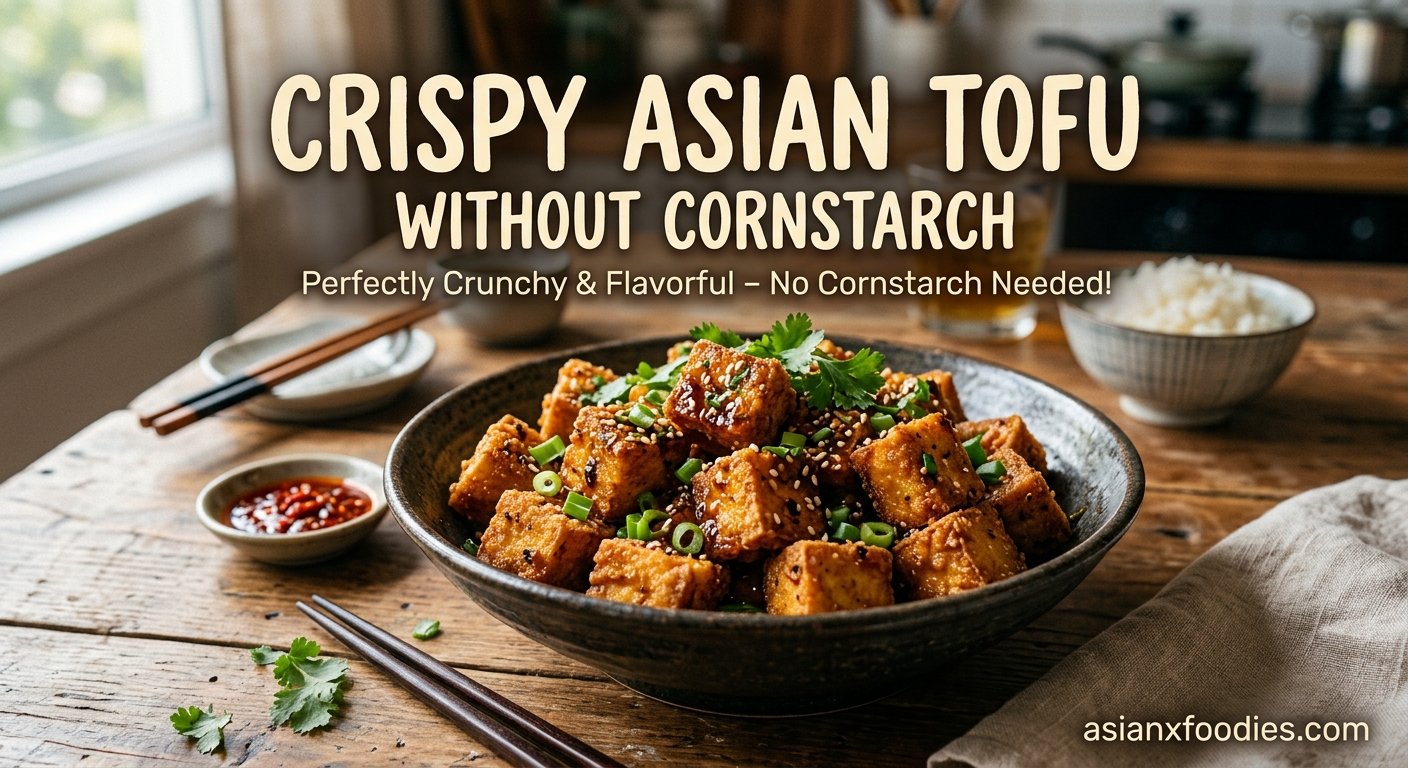
Crispy Asian Tofu Without Cornstarch: Easy, Crunchy, and Flavorful
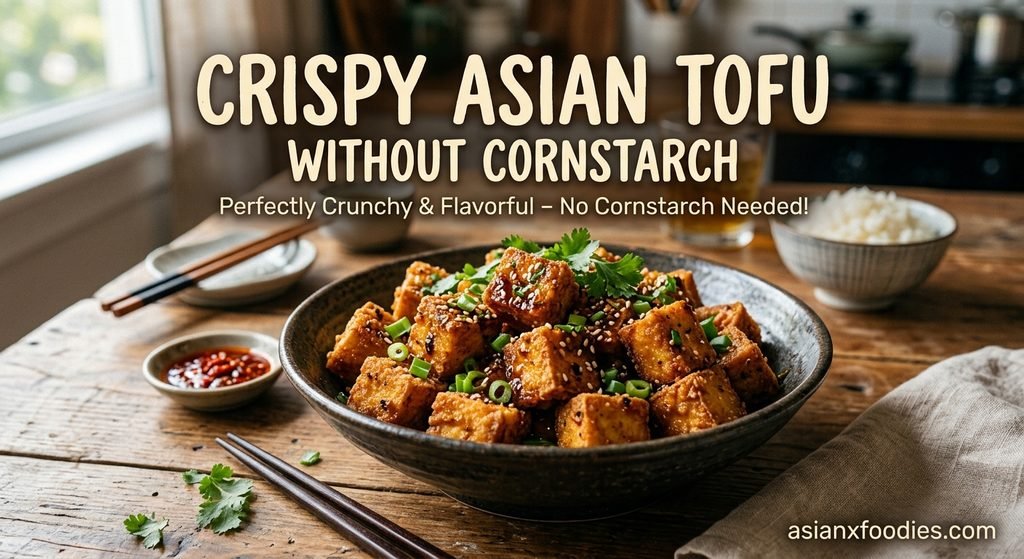
If you love crispy Asian tofu but don’t have cornstarch in your kitchen, don’t worry. You can still make deliciously crunchy tofu at home using simple ingredients and a few easy cooking techniques. This crispy Asian tofu without cornstarch recipe is perfect for busy weeknights, quick lunches, or whenever you’re craving a flavorful plant-based meal.
The secret to crispy tofu isn’t always cornstarch. Choosing the right tofu, removing excess moisture, using the correct cooking temperature, and allowing the tofu to develop a golden crust can make a big difference. With a savory Asian-inspired sauce made from soy sauce, garlic, ginger, and a touch of sweetness, every bite is packed with flavor.
Whether you’re new to cooking tofu or already enjoy Asian-inspired dishes, this recipe is easy to follow and doesn’t require any special equipment. You can prepare it in a skillet, serve it over rice or noodles, or add it to your favorite stir-fried vegetables.
Let’s explore how to make crispy Asian tofu without cornstarch that’s golden on the outside, tender on the inside, and full of delicious flavor.
Why You’ll Love This Crispy Asian Tofu Recipe
There are plenty of reasons to make this easy crispy Asian tofu recipe at home. It’s affordable, beginner-friendly, and uses ingredients that are easy to find in most grocery stores.
- No cornstarch required: You can achieve a beautifully golden crust without using cornstarch or complicated coatings.
- Crispy on the outside: Pressing the tofu and pan-frying it helps create a firm, lightly crunchy exterior.
- Packed with Asian-inspired flavors: Garlic, ginger, soy sauce, and a little sweetness create a delicious balance of savory and sweet.
- Easy to prepare: You only need a skillet, a few basic ingredients, and around 30 minutes.
- Perfect for meal prep: Cook the tofu ahead of time and pair it with rice, noodles, or vegetables for quick meals.
- Naturally plant-based: This recipe uses tofu as its main protein source and can be made vegan with suitable ingredient choices.
It’s also easy to customize. You can make it spicy, sweet, tangy, or extra garlicky depending on your personal preference.
What Is Crispy Asian Tofu Without Cornstarch?
Crispy Asian tofu without cornstarch is a simple tofu dish in which firm tofu is cooked until golden and crisp without relying on a starch-based coating. Instead of using cornstarch to absorb moisture and form a crunchy layer, this method focuses on pressing the tofu, drying its surface, and pan-frying it in a small amount of oil.
The tofu is then coated in a flavorful Asian-inspired sauce made with soy sauce, garlic, ginger, and other simple ingredients.
Unlike deep-fried tofu, this version uses a skillet and requires much less oil. It is a practical way to prepare tofu at home while still enjoying a satisfying texture.
Although cornstarch can create a particularly crisp, delicate coating, properly prepared tofu can develop a delicious golden crust without it.
Ingredients for Crispy Asian Tofu Without Cornstarch
One of the best things about this recipe is that it uses everyday ingredients without requiring an expensive shopping list.
For the tofu
- 14 ounces (400 g) extra-firm or firm tofu
- 2 tablespoons vegetable oil
- 1 tablespoon all-purpose flour (optional)
- ¼ teaspoon salt, or to taste
- ¼ teaspoon black pepper
For the Asian-inspired sauce
- 3 tablespoons soy sauce
- 1 tablespoon maple syrup or honey
- 1 tablespoon rice vinegar
- 2 cloves garlic, finely minced
- 1 teaspoon freshly grated ginger
- 1 teaspoon sesame oil
- 1 teaspoon chili sauce (optional)
- 2 tablespoons water
For garnish
- 1 tablespoon sliced green onions
- 1 teaspoon sesame seeds
- Fresh cilantro (optional)
- Red chili flakes (optional)
The all-purpose flour is optional. It can help create a light outer coating, but you can leave it out for a simpler, flour-free recipe. If you want to keep the dish gluten-free, use certified gluten-free tamari and omit regular wheat flour.
How to Choose the Best Tofu
Choosing the right tofu is one of the most important steps when making crispy tofu without cornstarch.
Extra-firm tofu is generally the best option because it contains less moisture and holds its shape during cooking. It is also less likely to break apart when you flip it in the skillet.
Firm tofu is another good choice, especially if you press it properly before cooking. Avoid silken or soft tofu for this particular recipe because it contains more moisture and is delicate, making it difficult to achieve a crispy exterior in a skillet.
If you’re purchasing tofu specifically for this recipe, look for extra-firm tofu in the refrigerated section of your grocery store.
How to Make Crispy Asian Tofu Without Cornstarch
Making crispy Asian tofu at home is easier than you might think. Follow these simple steps to get a flavorful dish with a beautiful golden crust.
Step 1: Press the Tofu
Start by removing the tofu from its packaging and draining all the liquid.
Place the tofu block between two clean kitchen towels or several layers of paper towels. Put a cutting board or flat plate on top and add a moderately heavy object, such as a small pan or a few cookbooks.
Allow the tofu to press for 15 to 20 minutes. This helps remove excess moisture, which is essential for browning.
If you have a tofu press, you can use it instead. Once pressed, gently pat the tofu dry with a clean towel.
Removing moisture allows the tofu to make better contact with the hot skillet and reduces excess steaming during cooking.
Step 2: Cut the Tofu Into Cubes
Place the pressed tofu on a cutting board and cut it into evenly sized cubes, approximately 1 inch each.
Try to keep the pieces similar in size so they cook evenly. Smaller cubes may develop more browned edges, while larger pieces will have a softer center.
You can also cut the tofu into rectangles or triangles if you prefer a different presentation.
Step 3: Season the Tofu
Transfer the tofu cubes to a mixing bowl.
Add the salt and black pepper, then toss gently to coat the pieces evenly.
If you want a slightly thicker, lightly crisp coating, sprinkle the optional all-purpose flour over the tofu and toss gently until the cubes have a very thin, even layer.
Avoid adding too much flour, as a thick coating can become dry or pasty instead of crisp.
For a flour-free version, simply skip this step and proceed with the recipe.
Step 4: Heat the Skillet
Place a large nonstick or well-seasoned skillet over medium-high heat.
Add the vegetable oil and allow it to heat until it shimmers slightly. Make sure the skillet is hot before adding the tofu.
A properly heated skillet helps the tofu develop a golden crust rather than sticking to the pan or releasing too much moisture.
Avoid using excessively high heat because the tofu may brown too quickly before developing an even crust.
Step 5: Pan-Fry the Tofu
Carefully arrange the tofu cubes in a single layer in the hot skillet. Leave a little space between the pieces to prevent overcrowding.
Let the tofu cook undisturbed for approximately 3 to 4 minutes, or until the bottom develops a golden-brown crust.
Use a spatula or tongs to turn the cubes gently. Continue cooking on the remaining sides for another 8 to 10 minutes, turning occasionally, until most sides are golden and lightly crisp.
If your skillet is small, cook the tofu in batches. Overcrowding the pan can cause the tofu to steam instead of brown.
Once the tofu is crispy, transfer it to a plate and set it aside.
Step 6: Prepare the Asian Sauce
While the tofu is cooking, prepare the sauce.
In a small bowl, combine the soy sauce, maple syrup or honey, rice vinegar, minced garlic, grated ginger, sesame oil, chili sauce if using, and water.
Whisk everything together until the sweetener is dissolved and the ingredients are well combined.
Taste the sauce and adjust it to your liking. Add a little more maple syrup for sweetness, rice vinegar for tanginess, or chili sauce for extra heat.
Preparing the sauce in advance makes the final cooking step much easier.
Step 7: Cook the Sauce
Using the same skillet, reduce the heat to medium-low. If there’s a lot of oil left in the pan, carefully remove the excess.
Pour the prepared sauce into the skillet and stir gently for approximately 1 to 2 minutes, allowing the garlic and ginger to release their aroma.
Keep the sauce moving and avoid cooking it over high heat, as the sweetener and garlic can burn quickly.
If the sauce becomes too thick, add a small splash of water to loosen it.
Step 8: Toss the Tofu in the Sauce
Return the crispy tofu cubes to the skillet.
Gently toss them in the sauce until all the pieces are lightly coated. Cook for another 1 to 2 minutes, just long enough for the flavors to come together.
Avoid simmering the tofu in the sauce for too long. Excess moisture can soften the golden exterior, so it’s best to coat the tofu quickly and serve it immediately.
Turn off the heat and sprinkle the tofu with sliced green onions and sesame seeds.
Your crispy Asian tofu without cornstarch is now ready to enjoy.
Tips for Making Extra Crispy Tofu Without Cornstarch
Getting crispy tofu without cornstarch is all about preparation and technique. These simple tips can help you achieve a better texture every time.
1. Remove as much moisture as possible
Moisture is one of the biggest obstacles to crispy tofu. Pressing the tofu for at least 15 minutes and patting it dry before cooking helps improve browning.
2. Use extra-firm tofu
Extra-firm tofu has a denser texture and is easier to cook until golden. It also holds its shape when tossed in sauce.
3. Don’t overcrowd the skillet
Give each tofu cube enough room to make contact with the hot surface. If necessary, cook the tofu in batches to prevent steaming.
4. Avoid moving the tofu too often
Let the tofu sit undisturbed for a few minutes so a golden crust can develop. Moving the pieces too frequently can prevent proper browning.
5. Use enough oil
You don’t need to deep-fry tofu, but a thin layer of oil helps create an evenly browned exterior. Add a little more oil if the skillet becomes too dry.
6. Add the sauce at the end
Sauce contains moisture, which can soften crispy tofu. Cook the tofu until golden first, then coat it in the sauce shortly before serving.
7. Serve immediately
Tofu is at its crispiest straight from the skillet. If you want to preserve its texture, avoid leaving it sitting in the sauce for an extended period.
What to Serve With Crispy Asian Tofu
This versatile tofu recipe pairs beautifully with a variety of side dishes. Whether you’re preparing a quick lunch or a satisfying dinner, there are plenty of ways to serve it.
Steamed Rice
Steamed jasmine rice or brown rice is a classic option. The fluffy rice absorbs the savory sauce and balances the crispy tofu.
You can also use basmati rice if that’s what you already have in your pantry.
Asian Noodles
Serve the tofu with stir-fried noodles, garlic noodles, or simple ramen. The combination of chewy noodles and crispy tofu creates a satisfying meal.
Add a little extra sauce to the noodles if you want a more flavorful dish.
Stir-Fried Vegetables
Broccoli, bell peppers, carrots, snap peas, and cabbage are excellent choices. Stir-fry your favorite vegetables in a little oil with garlic and soy sauce, then serve them alongside the tofu.
This is an easy way to add color, flavor, and variety to your meal.
Asian-Inspired Tofu Bowl
Create a delicious tofu bowl by combining steamed rice, crispy tofu, shredded carrots, sliced cucumbers, edamame, and green onions.
Drizzle with any remaining sauce or a little spicy mayo for extra flavor.
Lettuce Wraps
For a lighter meal, spoon the tofu into crisp lettuce leaves and add shredded carrots, cucumber, and green onions.
A squeeze of lime juice or a little extra chili sauce can add a refreshing finishing touch.
Variations You Can Try
One of the best things about crispy Asian tofu is how easily you can change the flavors.
Spicy Crispy Asian Tofu
If you enjoy spicy food, add extra chili sauce, red pepper flakes, or a little chili garlic sauce to the mixture.
You can also add freshly sliced red chilies as a garnish for additional heat.
Sweet and Sticky Tofu
For a sweeter version, increase the maple syrup or honey slightly. Allow the sauce to simmer briefly until it becomes glossy, then toss the tofu in it just before serving.
Keep in mind that a thicker sauce can soften the tofu more quickly, so serve immediately.
Garlic Ginger Tofu
If you love strong aromatic flavors, increase the garlic to 3 or 4 cloves and add an extra half teaspoon of grated ginger.
The result is a fragrant, savory dish that pairs particularly well with steamed rice.
Sesame Asian Tofu
Add a little more toasted sesame oil to the sauce and finish the dish with toasted sesame seeds.
You can also add a few drops of sesame oil after cooking to preserve its distinctive aroma.
Vegetable Tofu Stir-Fry
Turn this recipe into a complete one-pan meal by adding sliced bell peppers, broccoli, mushrooms, or carrots.
Cook the vegetables separately in the skillet until tender-crisp, then return the tofu and add the sauce.
Common Mistakes to Avoid
Even a simple tofu recipe can become less successful if a few important details are overlooked.
- Skipping the pressing step: Excess moisture makes it harder for tofu to brown and crisp.
- Using soft tofu: Soft tofu can fall apart when pan-fried and tossed in sauce.
- Cooking over low heat: A skillet that’s not hot enough may cause the tofu to release moisture without developing a crust.
- Flipping too early: The tofu needs enough time to brown before you turn it.
- Adding sauce too soon: Cooking the tofu in sauce from the beginning can prevent it from becoming crispy.
- Using too much flour: A heavy coating may create a dry, powdery texture instead of a light crust.
- Overcooking the sauce: Garlic and sweeteners can burn quickly, resulting in a bitter taste.
By avoiding these common mistakes, you can make golden, flavorful tofu with a satisfying texture.
Can You Make Crispy Asian Tofu Without Cornstarch in an Air Fryer?
Yes, you can make this recipe in an air fryer if you prefer a hands-off cooking method.
First, press and cut the tofu into cubes, then pat them dry. Toss the pieces with a little oil, salt, and pepper. If you want, you can add a light dusting of all-purpose flour, but it’s not necessary.
Preheat the air fryer to 400°F (200°C), if your model requires preheating. Arrange the tofu in a single layer in the basket, leaving enough space between the cubes.
Air-fry for approximately 15 to 20 minutes, shaking the basket halfway through, until the tofu is golden and crisp. Cooking times can vary depending on the appliance and the size of the tofu cubes.
Meanwhile, prepare the sauce in a small skillet and simmer it gently until fragrant. Toss the cooked tofu in the sauce immediately before serving.
Air-frying can create a crisp exterior using relatively little oil, although the exact texture will depend on the tofu and air fryer.
How to Store and Reheat Leftover Tofu
If you have leftover crispy Asian tofu, you can store it for later.
Allow the tofu to cool, then transfer it to an airtight container and refrigerate for up to 3 days. For the best texture, store leftover tofu separately from any extra sauce when possible.
When you’re ready to eat it, reheat the tofu in a skillet over medium heat with a small amount of oil. Cook for a few minutes, turning occasionally, until heated through and lightly crisp again.
You can also reheat it in an air fryer at 350°F (175°C) for approximately 4 to 6 minutes, checking regularly to avoid overcooking.
Microwaving is convenient, but it generally makes the tofu softer rather than crispy.
Freezing cooked tofu is possible, but it can noticeably change the texture. For the best results, enjoy this recipe freshly cooked or refrigerated for a short period.
Frequently Asked Questions
1. Can I make crispy tofu without cornstarch?
Yes. You can make crispy tofu without cornstarch by pressing it thoroughly, patting it dry, and pan-frying it in a hot skillet with a little oil. A light coating of all-purpose flour is optional, but you can also cook the tofu without any coating.
2. What can I use instead of cornstarch for crispy tofu?
All-purpose flour is one option for a light coating. Rice flour can also work well and may produce a delicate crisp exterior. However, neither is essential. Properly dried tofu can brown nicely when cooked in a hot skillet.
3. Why is my tofu not getting crispy?
Tofu may not become crispy if it contains too much moisture, the pan is too cool, or the skillet is overcrowded. Pressing the tofu, heating the oil properly, and cooking in batches can help improve the texture.
4. Is crispy Asian tofu vegan?
This recipe can be completely vegan when you use maple syrup instead of honey and check that your soy sauce, chili sauce, and other ingredients are vegan-friendly.
5. Can I make this recipe gluten-free?
Yes. Use tamari or certified gluten-free soy sauce instead of regular soy sauce, and skip the all-purpose flour or replace it with a suitable gluten-free alternative.
6. Can I prepare tofu ahead of time?
You can press and cut the tofu several hours in advance. Store it in an airtight container in the refrigerator until you’re ready to cook. For the best crispy texture, pan-fry the tofu shortly before serving.
7. What oil is best for frying tofu?
Neutral oils with a relatively high smoke point, such as vegetable, canola, or sunflower oil, work well for pan-frying tofu. Sesame oil is best used in the sauce or as a finishing oil because of its strong flavor.
8. How do I keep tofu crispy after adding sauce?
Cook the tofu until golden before preparing the sauce. Toss it in the sauce quickly just before serving, using only enough sauce to coat the pieces. Serve immediately for the best texture.
Final Thoughts
Making crispy Asian tofu without cornstarch is a simple and delicious way to enjoy a plant-based meal without relying on specialty ingredients. With extra-firm tofu, a little oil, proper heat, and a flavorful combination of garlic, ginger, soy sauce, and sweetness, you can create a dish that’s golden on the outside and tender on the inside.
The recipe is flexible enough for weeknight dinners, meal prep, and quick lunches. Serve it over steamed rice, toss it with noodles, or pair it with fresh vegetables for a complete meal.
Once you master the simple technique of pressing and pan-frying tofu, you’ll have a reliable recipe you can customize in countless ways. Whether you enjoy sweet, spicy, garlicky, or savory flavors, this easy homemade Asian tofu is a great addition to your regular meal rotation.
Recipe Card
Crispy Asian Tofu Without Cornstarch
Prep time: 15 minutes
Pressing time: 15–20 minutes
Cook time: 15 minutes
Total time: Approximately 45–50 minutes
Servings: 4
Course: Main Course, Lunch, Dinner
Cuisine: Asian-inspired
Diet: Vegan (when made with maple syrup)
Ingredients
- 14 oz (400 g) extra-firm tofu
- 2 tablespoons vegetable oil
- 1 tablespoon all-purpose flour (optional)
- ¼ teaspoon salt
- ¼ teaspoon black pepper
- 3 tablespoons soy sauce
- 1 tablespoon maple syrup
- 1 tablespoon rice vinegar
- 2 cloves minced garlic
- 1 teaspoon grated ginger
- 1 teaspoon sesame oil
- 1 teaspoon chili sauce (optional)
- 2 tablespoons water
- Green onions and sesame seeds for garnish
Instructions
- Drain and press the tofu for 15–20 minutes to remove excess moisture.
- Cut the tofu into evenly sized cubes and pat them dry.
- Season with salt and pepper. Add a light dusting of flour if desired.
- Heat vegetable oil in a large skillet over medium-high heat.
- Arrange the tofu in a single layer and cook for 3–4 minutes on the first side.
- Turn the tofu and continue cooking for 8–10 minutes, until golden and crisp on most sides.
- Mix soy sauce, maple syrup, rice vinegar, garlic, ginger, sesame oil, chili sauce, and water in a bowl.
- Reduce the skillet heat to medium-low and gently cook the sauce for 1–2 minutes.
- Return the tofu to the skillet and toss gently until coated.
- Garnish with green onions and sesame seeds, then serve immediately.
Nutrition Information (Approximate, per serving)
- Calories: 220
- Protein: 13 g
- Carbohydrates: 12 g
- Fat: 14 g
- Fiber: 2 g
- Sodium: 650 mg
Nutrition values are estimates and will vary depending on the tofu brand, amount of oil absorbed, sauce ingredients, and serving size.