One-Pan Drunken Noodles with Chicken and Basil
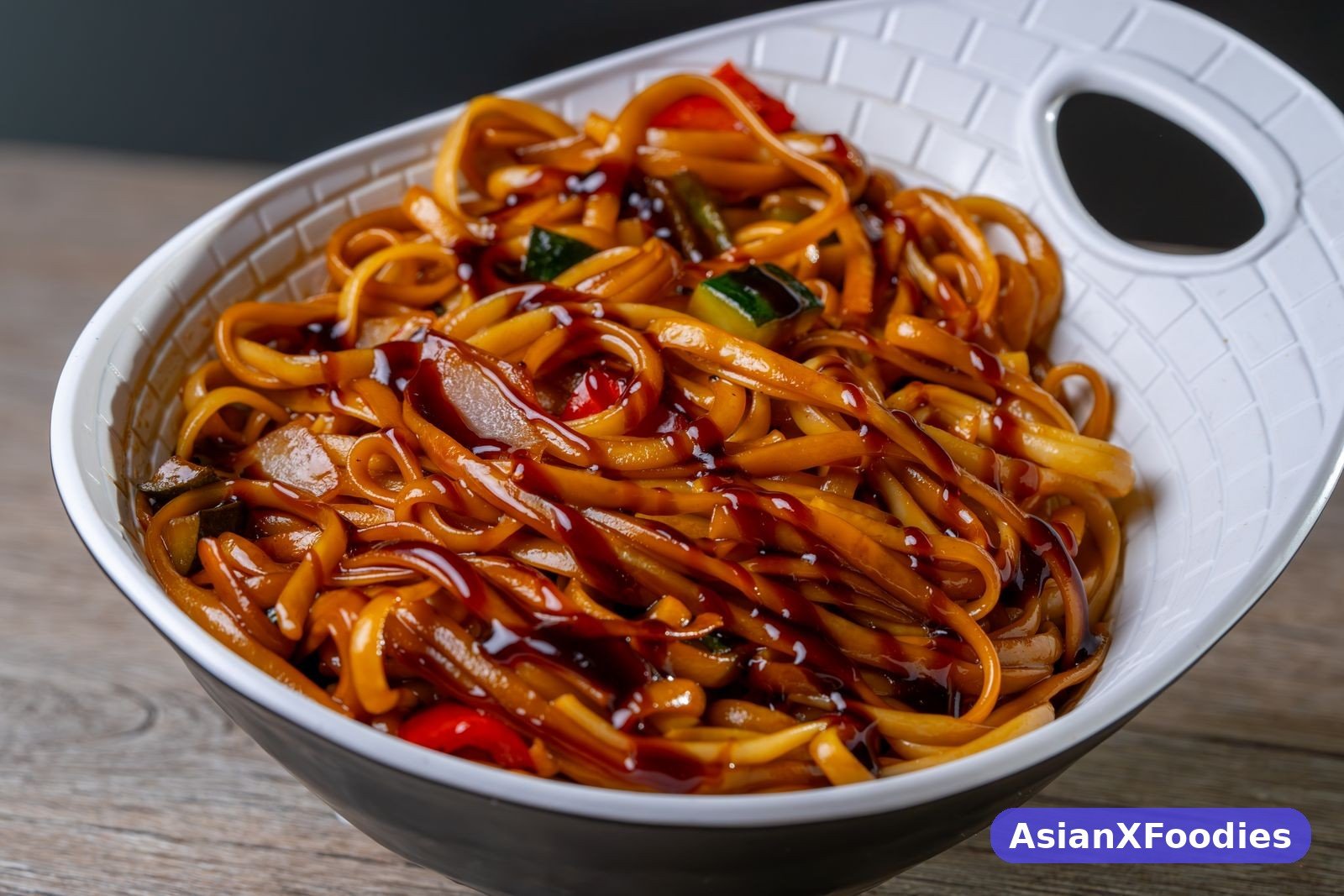
The first time I ordered drunken noodles in a Thai restaurant, I was sitting at a small table by the window with a glass of water already sweating in my hand, because I had made the mistake of asking for it Thai spicy and the waiter had smiled in a way that should have warned me. The noodles arrived in a wide bowl, dark and glossy, with wide flat ribbons tangled around pieces of chicken and torn basil leaves that smelled almost like liquorice when the steam hit my face. I took one bite and my eyes watered, and then I took another bite anyway, because underneath the heat there was something salty and sweet and deeply savoury that I had never quite tasted in a noodle dish before. I went home that night and tried to work out what had been in it, and for weeks after that I kept ordering it, trying to memorise the sauce the way you memorise a song you have only heard twice.
It took me a good few tries to get it right at home, and I am not going to pretend otherwise. My first attempt was too salty, because I had tipped in soy sauce the way I would for a stir-fry and forgotten that the sauce for drunken noodles is supposed to be dark and intense in a small amount, not swimming all over the pan. My second attempt was too wet, because I had not drained the noodles properly and they turned soft and clumpy instead of staying chewy. The third time, I forgot the basil until the noodles were already in the bowl, and by then it was too late — the basil needs the heat of the pan to wilt just enough to release its smell, and sprinkling it on cold at the end is not the same thing at all. But each time I got a little closer, and the version I am sharing here is the one I have made more times than I can count, the one my friends ask for when they come over on a Friday and the one I make for myself on nights when I want something fast and hot and properly satisfying.
What I love most about this dish is that it is a proper one-pan dinner, the kind where you do not end up with a sink full of pots and a chopping board covered in bowls. The chicken cooks in the same wok as the noodles, the sauce goes in the same wok, the basil goes in at the end, and then you eat straight out of the bowl. From the moment you start heating the oil to the moment you sit down, it is about twenty minutes, and most of that is just soaking the noodles and cutting the chicken. I often start the noodles soaking before I even chop anything, and by the time the chicken is sliced and the sauce is mixed, the noodles are ready to go in. It is the kind of cooking that fits into a real evening, after work, when you are hungry and you do not want a project.
If you have never cooked with wide rice noodles before, do not let them worry you. They look stiff and unpromising in the packet, like flat white ribbons that could not possibly turn into dinner, but ten minutes in warm water and two minutes in a hot wok and they turn silky and chewy, the kind of texture that makes you go back for another forkful before you have finished the first. The trick is not to over-soak them, and I will walk you through exactly how they should feel when they are ready. Get that part right and the rest of the dish almost cooks itself, because the sauce is just a few spoonfuls whisked together in a bowl, and the chicken is just sliced thin and cooked fast over high heat.
Why You’ll Love This Recipe
The first reason is the heat, and I mean that in the best way. Drunken noodles are supposed to be spicy — that is the whole point of them, and the name comes from the idea that they are the kind of food you crave late at night, bold and fiery and unapologetic. The chillies in this recipe give you a warmth that builds slowly as you eat, rather than a sharp burn that hits you once and then disappears. There is also sweetness from the sugar, saltiness from the soy, and a little tang from the lime at the end, so the heat never sits on its own. I have made this for people who say they cannot handle spicy food, and they have still finished their bowls, because the sauce is balanced enough that the heat feels like part of the flavour instead of a dare.
The second reason is the texture, which is honestly what keeps me coming back to this dish more than anything else. Wide rice noodles, when they are cooked properly, are chewy and slippery at the same time, and they pick up the dark glossy sauce in a way that thin noodles never quite manage. The chicken stays tender because it is sliced thin and cooked fast, the peppers keep a little bite, and the basil wilts into the noodles and turns fragrant and soft. Every forkful is a little different — one bite is mostly noodles and sauce, the next has a piece of chicken and a bit of chilli, the next has a torn basil leaf that smells sweet and peppery. It never gets boring halfway through the bowl, which is more than I can say for a lot of quick dinners.
It is also a genuinely fast recipe, not one of those that says twenty minutes on the top and then quietly asks you to marinate something for an hour. The noodles soak while you prep, the chicken takes about four minutes to cook, and the whole stir-fry comes together in about five minutes after that. I have made this on nights when I got home late and was tempted to order takeaway, and I have sat down to eat before the delivery would even have arrived. The washing up is one wok, one bowl for the sauce, and a chopping board, which means you can actually relax after dinner instead of standing at the sink for half an hour.
Finally, this is a forgiving dish, and I think that matters more than most recipes admit. If your noodles are a touch softer than you wanted, the dish still tastes good. If you only have regular basil instead of Thai basil, it still works, though I will tell you the difference in the variations section. If you like it milder, you can pull back on the chillies and it will still be a proper plate of drunken noodles. I have made it with chicken breast when I had no thighs, with extra peppers when I had a sad one at the back of the fridge, and with a fried egg on top when I was extra hungry, and every version has been worth eating. That is the kind of recipe you keep, not the kind you make once and forget.
Ingredients You’ll Need
- 250g dried wide flat rice noodles, about 1cm wide
- 400g boneless, skinless chicken thighs, sliced into thin strips
- 4 tablespoons light soy sauce, divided — 2 for the chicken, 2 for the sauce
- 1 teaspoon cornstarch
- 3 tablespoons dark soy sauce
- 1 tablespoon oyster sauce
- 1 tablespoon fish sauce
- 1 tablespoon brown sugar
- 3 tablespoons vegetable oil
- 4 cloves garlic, finely sliced
- 2 fresh red chillies, sliced, seeds left in for heat, plus 1 teaspoon chilli flakes
- 1 medium onion, halved and sliced into thin wedges
- 1 red pepper, deseeded and sliced into strips
- 1 large handful Thai basil leaves, about 25g, plus extra to serve
- 2 spring onions, cut into 3cm pieces, and 1 lime, cut into wedges, to serve
How to Make One-Pan Drunken Noodles
Start by soaking the noodles, because they need time and everything else moves fast once the wok is hot. Put the dried wide rice noodles in a large bowl and cover them with warm water — not boiling, just warm from the tap, about the temperature of a comfortable bath. Leave them for eight to ten minutes, lifting them and separating them gently with your fingers once or twice so they do not stick together in a solid clump. You are looking for noodles that are bendy and pliable but still firm in the middle, almost like they need another minute, because they will finish cooking in the wok. If they feel completely soft and floppy in the bowl, they have gone too far and they will turn mushy in the pan. Drain them well in a colander and give them a little shake, then toss them with a teaspoon of oil so they do not stick while you get everything else ready. I set the colander over the empty bowl so any last drops of water can drip away while I slice the chicken.
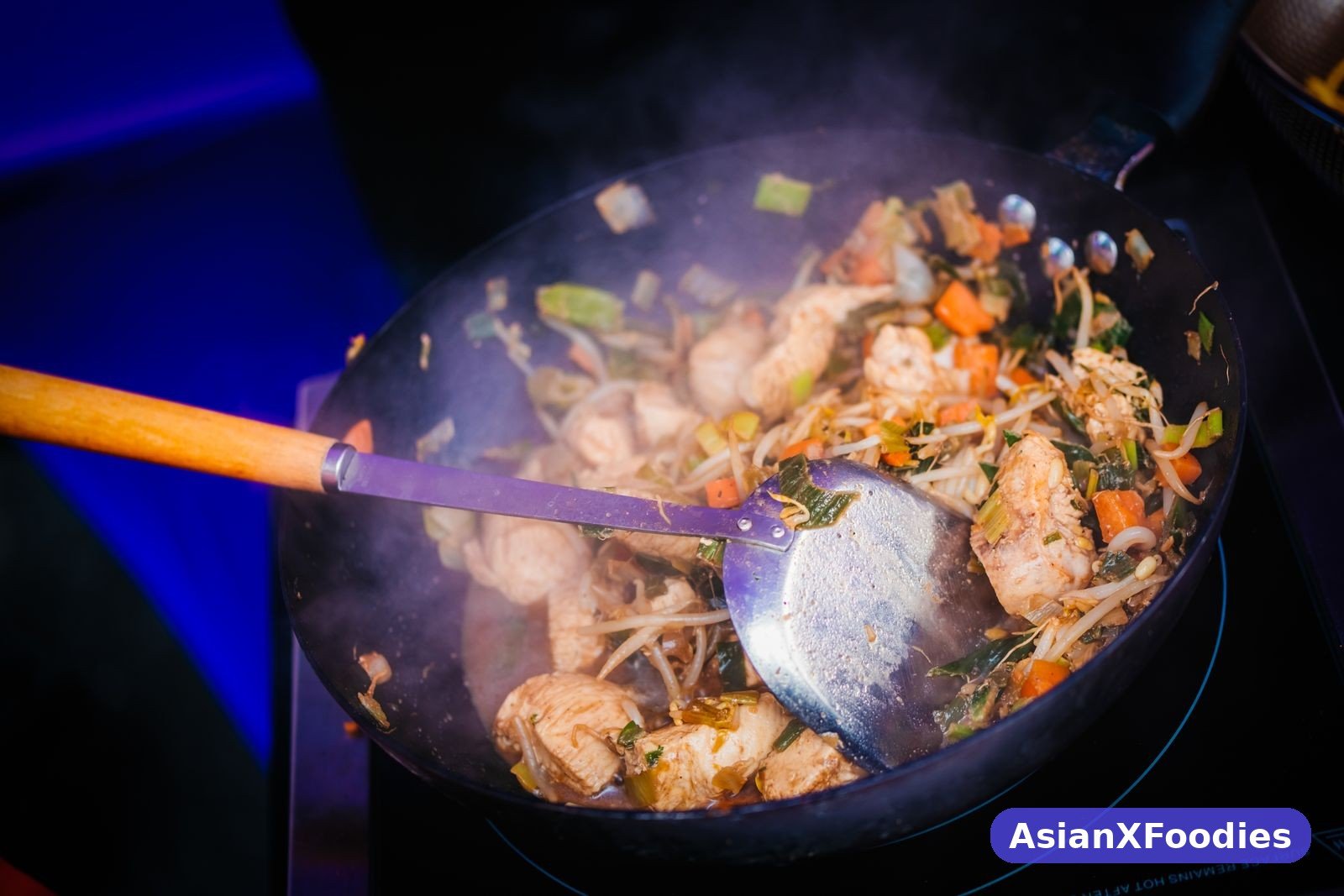
While the noodles are soaking, slice the chicken and mix the sauce. I use chicken thighs here because they stay juicy over high heat and they have more flavour than breast, but I will talk about swapping them in a moment. Slice the thighs across the grain into thin strips, about half a centimetre thick, so they cook through in two or three minutes and stay tender instead of turning tough. Put the strips in a bowl with two tablespoons of light soy sauce and the teaspoon of cornstarch, and mix it with your hands until every piece is coated. The cornstarch gives the chicken a light velvety coating that protects it in the hot wok, and it is a trick I use for almost every stir-fry now. In a separate small bowl or jug, whisk together the dark soy sauce, the remaining light soy sauce, the oyster sauce, the fish sauce, the brown sugar, and the chilli flakes, stirring until the sugar has dissolved. Taste it with a fingertip if you like — it should be salty first, then sweet, then hot, with the fish sauce giving it a deep savoury edge that soy alone cannot manage. Set the sauce bowl next to the stove, along with the sliced garlic, chillies, onion, pepper, basil, and spring onions, because once you start cooking you will not have time to go hunting for anything.
Heat the oil in a large wok or a deep frying pan over high heat until it is shimmering and just starting to smoke very lightly. This is a dish that needs proper heat, so do not be shy with the flame — a wok that is not hot enough will steam the chicken instead of searing it, and you will end up with pale, soft strips instead of golden-edged ones. Add the chicken in a single layer, spreading the strips out so they are not piled on top of each other, and leave them alone for a full minute before you touch them. That minute is when the golden colour happens. After a minute, turn the strips over and cook them for another minute or two, until they are cooked through and lightly browned at the edges. If your wok is small, cook the chicken in two batches rather than crowding it, because crowded chicken never browns properly. Lift the chicken out onto a plate and set it aside for a moment, leaving the oil and any browned bits in the wok.
In the same wok, with the heat still high, add the sliced garlic and fresh chillies and stir them for about twenty seconds, just until the garlic smells fragrant and the kitchen smells warm and spicy. Garlic burns quickly, so keep the spoon moving and do not step away from the stove. Add the onion wedges and the red pepper strips and stir-fry them for about two minutes, until the onion has softened at the edges but still has a bit of bite and the pepper is bright and just tender. You want the vegetables to stay lively, not cook down into softness, because their crunch is part of what makes this dish work. Push everything to one side of the wok, pour the sauce into the empty side, and let it bubble for about thirty seconds until it darkens and smells rich and caramelised. This is the moment the sauce turns from a bowl of mixed liquids into something that actually tastes like drunken noodles, and it is worth the thirty seconds of patience.
Now add the drained noodles to the wok, along with the chicken and any juices from the plate, and toss everything together with tongs or two wooden spoons, lifting and turning the noodles so the sauce coats every ribbon. This takes about two minutes, and you will see the noodles turn a deep glossy brown as they soak up the sauce and finish cooking in the heat of the wok. If the noodles feel a little stiff, add a splash of water — just a tablespoon or two — and keep tossing, because the steam will soften them without making the sauce watery. Taste a noodle at this point. It should be chewy and slippery, not hard in the middle and not soft and falling apart, and it should taste salty and sweet and hot all at once. If it needs more salt, add a splash of fish sauce. If it needs more sweetness, add a pinch of sugar. Adjusting the seasoning now, in the wok, is easy, and it is the difference between a good plate of noodles and a great one.
Take the wok off the heat and add the Thai basil leaves and the spring onions, tossing them through the hot noodles just until the basil wilts and turns bright green and fragrant. The basil should not cook — it should just soften in the residual heat, which takes about thirty seconds, and that is enough to release its sweet, peppery smell into the whole dish. If you add the basil too early, it turns dark and loses its perfume, and if you leave it too long, it wilts away to nothing. Serve the noodles straight away in wide bowls, with lime wedges on the side and extra basil and chilli flakes on the table so everyone can add their own. Squeeze the lime over the top just before you eat, because the sharp citrus lifts the whole dish and cuts through the richness of the sauce in a way that nothing else quite manages. If you like the same kind of one-pan noodle cooking with a different sauce, my one-pan pad Thai uses tamarind and peanuts for a tangier, nuttier version of the same weeknight idea.
Tips for the Best Drunken Noodles
The single most important tip is to not over-soak the noodles, because everything else in this recipe can be fixed and soggy noodles cannot. Wide rice noodles go from perfectly pliable to completely soft in about two minutes, and once they are soft in the bowl they will fall apart in the wok. I always set a timer for eight minutes and check them at that point, pulling one out and bending it between my fingers. It should bend easily but still feel firm and a little resistant in the centre, like it needs just a little more cooking. That is exactly right, because the wok will finish the job. If I am ever unsure, I drain them a minute early rather than a minute late, because a splash of water in the wok can soften a stiff noodle, but nothing can firm up a mushy one.
Use a wok or pan that is genuinely hot before the chicken goes in, and do not crowd it. I know I have said this already, but it is the difference between chicken that is golden at the edges and chicken that is grey and steamed. High heat, a single layer, and a full minute untouched before you turn the strips — that is the whole secret. If your stove is not very powerful, cook the chicken in two smaller batches, and let the wok come back up to temperature between them. It takes an extra two minutes, and it is worth every second, because the browned edges are where so much of the flavour lives.
Have everything ready before you turn the heat on. This is a five-minute stir-fry once it starts, and there is no time to slice a pepper while the garlic is burning or to measure fish sauce while the noodles are sticking. I line everything up on a tray next to the stove — sauce bowl, garlic, chillies, onion, pepper, basil, spring onions, drained noodles, and the plate for the cooked chicken — before the oil even goes in the wok. It looks like a lot of little bowls for such a simple dinner, but it is the reason the cooking feels calm instead of frantic, and it is a habit I have kept from the first time I made this dish in a rush and ended up with burnt garlic and a pan full of regret.
Taste the sauce before it goes in the wok, and taste the noodles before they come out. Soy sauces and fish sauces vary a lot from brand to brand — some are saltier, some are sweeter, and the sugar in this recipe is written for a standard light soy sauce and a regular fish sauce. If your sauce tastes too salty in the bowl, add a pinch more sugar. If it tastes flat, add a splash more fish sauce. The same goes for the finished noodles: a squeeze of lime, a pinch of sugar, or a splash of fish sauce at the end can bring the whole dish into balance, and I would always rather adjust at the end than follow the numbers exactly and end up with a dish that tastes almost right. Your palate is the best measuring spoon in the kitchen.
Finally, serve it the moment it is done. Drunken noodles are at their best in the first five minutes, when the noodles are still glossy and chewy, the basil is still bright, and the sauce is still clinging to every ribbon. They do not wait happily in the wok while you set the table or finish a phone call, because the noodles keep absorbing sauce and softening as they sit. I put the bowls and the lime wedges on the table before I start cooking, so the only thing left to do when the basil goes in is to spoon the noodles out and sit down. If you are cooking for people who eat at different times, keep the noodles and the sauce separate and toss them together fresh for each person, though in my house that has never been a problem, because nobody is ever late for this dinner.
Variations to Try
If you cannot find Thai basil, regular sweet basil will work, and I have used it plenty of times when the Asian grocer was closed and the supermarket only had the usual pots. The flavour is different — sweet basil is softer and less peppery, without that faint aniseed note that makes Thai basil so distinctive — but the dish is still recognisably drunken noodles, and it is still delicious. Use a generous handful, because sweet basil wilts down to almost nothing, and add it at the same point, right at the end, off the heat. If you can get hold of Thai basil, though, it is worth the trip, because it is one of those ingredients that changes a dish from good to proper, and a big bunch costs very little and keeps well wrapped in damp kitchen paper in the fridge.
For a milder version, leave out the fresh chillies and halve the chilli flakes, and the dish will still have warmth without the real heat. My mother eats it this way, and she says it is one of her favourite noodle dishes, which tells you that the sauce has enough going on without the spice. If you are cooking for children, you can leave the chillies out entirely and let the grown-ups add chilli flakes at the table, which is what I do when my niece is over. On the other hand, if you like it properly fiery, add an extra sliced chilli or a teaspoon of chilli crisp at the end, and serve it with extra lime, because the citrus helps the heat feel bright rather than just punishing. I make the hot version when my brother visits, because he puts hot sauce on everything anyway.
You can swap the protein without changing anything else about the recipe. Prawns work beautifully — cook them for about two minutes until they are pink and just curled, then lift them out and add them back with the noodles the same way as the chicken. Thinly sliced beef is another good option, and it cooks even faster than chicken, so watch it closely and take it out as soon as it has lost its pink colour. For a vegetarian version, use firm tofu pressed well and cut into cubes, fried until golden on the outside, or just double the vegetables and add a fried egg on top of each bowl. I have made the tofu version for a vegetarian friend, and the sauce is so flavourful that she did not miss the chicken at all, which is the highest praise a noodle sauce can get.
If you want to change the vegetables, this dish is very forgiving. Baby corn, sliced mushrooms, shredded carrots, and green beans all work well, and I have thrown in whatever was at the back of the fridge on more than one occasion. Just keep the total amount about the same, so the wok does not get crowded, and add the harder vegetables like carrots and green beans with the onion so they have time to soften, and the softer ones like mushrooms with the peppers. A version with mushrooms and extra basil is one of my favourite ways to make this when I do not have peppers, and it tastes just as good, though it looks a little less colourful in the bowl.
Serving Ideas

Drunken noodles are a complete meal on their own, and most nights I serve them exactly as they come out of the wok — in wide bowls, with lime wedges and extra basil and chilli flakes on the table, and nothing else to distract from them. The noodles are rich and filling, the chicken makes them substantial, and the vegetables give you colour and crunch, so there is genuinely no need for a side dish. I put a jug of cold water or iced green tea on the table, because the heat of the dish makes you want something cold to drink, and that is the whole spread. It is the kind of dinner that feels generous without any extra effort, and on a busy weeknight that is exactly what I want.
If you are feeding a crowd or you want to turn it into a bigger spread, there are a few things that sit happily alongside these noodles. A simple cucumber salad — sliced cucumber, rice vinegar, a pinch of sugar, and a little salt — takes two minutes and cuts through the richness of the sauce beautifully. Steamed edamame with a little flaky salt is another easy addition, and it gives people something to pick at while the noodles are being served. If you want a second noodle dish on the table, my spicy garlic noodles make a good contrast, because they are garlicky and savoury without the same dark, sweet heat, and people enjoy comparing the two. For a milder option alongside, my Chinese garlic noodles are the ones I reach for when someone at the table does not want chilli at all.
For a dinner party, I serve the noodles family-style in a big shallow bowl in the middle of the table, with the lime wedges and extra basil in small bowls alongside, and let everyone help themselves. A shallow bowl keeps the noodles from getting squashed and soggy at the bottom the way they do in a deep serving dish, and it looks generous and inviting in a way that individual plates never quite manage. I did this last month for six people, doubling the recipe and cooking the chicken in two batches, and the bowl was empty within ten minutes, which is the only review I need. If you are making it for a special occasion, a cold lager or a crisp white wine works well with the heat, though in my house a glass of iced tea is just as welcome.
Storage and Reheating
Leftovers keep well in the fridge for up to two days in a sealed container, though the noodles will soften as they sit in the sauce, which is normal for any rice noodle dish. They still taste good the next day — the sauce soaks into the noodles and the flavour actually deepens a little overnight — but the texture will not be quite as chewy as it was fresh from the wok. I usually eat the leftovers cold the next day for lunch, straight from the container, because the sweet and salty sauce is just as good cold as it is hot, and it saves me making a separate lunch. If you are planning to keep some for later, it is worth saving a few fresh basil leaves separately and adding them when you reheat, because the basil in the leftovers will have gone dark and soft.
To reheat, the best method is a hot wok or a large frying pan. Add a splash of water — just a tablespoon or two — to the pan over medium-high heat, add the noodles, and toss them for two or three minutes until they are hot all the way through and the sauce has loosened again. The water turns to steam and softens the noodles without making them soggy, and the sauce comes back to life in a way that the microwave never quite manages. A microwave will heat them fine if you are in a hurry, but cover the bowl and heat in short bursts, stirring between each one, because rice noodles can go from hot to rubbery very quickly. Either way, finish with a squeeze of fresh lime and a few torn basil leaves, which makes the reheated noodles taste much closer to fresh.
Do not freeze these noodles once they are cooked and sauced, because the rice noodles turn mushy on defrosting and never quite recover their chewy texture. If you want to get ahead, you can slice the chicken and mix the sauce the night before and keep them in separate containers in the fridge, so the next evening all you have to do is soak the noodles and cook. The sauce will keep for up to three days in a jar in the fridge, and the chicken will keep overnight in its marinade, which actually makes it more flavourful. That is the closest I get to meal prep with this dish, and it means dinner is about fifteen minutes away on the night itself.
Frequently Asked Questions
Can I use chicken breast instead of chicken thighs?
Yes, you can, and I have done it many times when thighs were not in the shop. Slice the breast thinly, about half a centimetre thick, and cook it for a minute less than you would thighs, because breast dries out faster over high heat. The cornstarch coating helps a lot here, because it protects the meat and keeps it moist. Thighs are juicier and more forgiving, which is why I recommend them, but breast works well if you are careful not to overcook it. Take one strip out and cut it open — it should be white all the way through with clear juices, not pink, and still moist inside. If you want a second chicken dish that uses breast well, my one-pan Thai green curry is a gentler, creamier option that suits breast meat beautifully.
Why did my rice noodles turn mushy?
This usually happens because the noodles were over-soaked before they went into the wok. Wide rice noodles need only eight to ten minutes in warm water, and they should still feel firm in the middle when you drain them, because they finish cooking in the hot wok. If they are completely soft and floppy in the bowl, they have gone too far and they will fall apart when you toss them. Drain them a minute early if you are unsure, and add a splash of water in the wok if they feel stiff. Another cause is cooking them for too long in the wok — two minutes of tossing is enough, and after that they just keep softening. If you are still having trouble, try a different brand of noodles, because some brands soften much faster than others.
What is the difference between drunken noodles and pad see ew?
They look similar in a photograph — both are dark, glossy noodle dishes with wide rice noodles — but they taste quite different once you eat them. Drunken noodles, or pad kee mao, are spicy and bold, with chillies, basil, and a sauce that is salty, sweet, and hot all at once. Pad see ew is milder and sweeter, with Chinese broccoli and egg, and no chillies or basil at all. If you want to see how another cook explains the difference, the RecipeTin Eats version of Thai Drunken Noodles (Pad Kee Mao) is a good comparison, and The Woks of Life has a detailed pad see ew recipe that shows the milder dish clearly. I make both, and I reach for drunken noodles when I want heat and pad see ew when I want something gentler.
Can I make drunken noodles less spicy?
Yes, easily. Leave out the fresh chillies and halve the chilli flakes, and the dish will still have warmth without the real heat. The sauce itself is salty and sweet and savoury, so it does not depend on the chillies to taste good. If you are cooking for children, leave the chillies out entirely and let the grown-ups add chilli flakes at the table. On the other hand, if you want it hotter, add an extra sliced chilli or a teaspoon of chilli crisp at the end. The heat is easy to adjust to your own taste, and I would always rather you adjust it than follow my numbers exactly and end up with a dish that is too hot or too mild for the people eating it.
Can I make this dish ahead of time?
You can prep it ahead, but I would not cook the noodles ahead. Slice the chicken and mix the sauce the night before and keep them in separate containers in the fridge, and the next evening all you have to do is soak the noodles and cook, which takes about fifteen minutes. The sauce will keep for up to three days in a jar in the fridge, and the chicken will keep overnight in its marinade. Once the noodles are cooked and tossed in the sauce, they are best eaten straight away, because they keep absorbing sauce and softening as they sit. If you do have leftovers, they will keep for two days in the fridge and reheat well in a hot wok with a splash of water.
What should I serve with drunken noodles?
Nothing, most nights — they are a complete meal on their own, with chicken, noodles, and vegetables all in one bowl. If you want a side, a simple cucumber salad with rice vinegar and a pinch of sugar cuts through the richness, and steamed edamame with flaky salt is an easy addition. A jug of iced green tea or cold water with lime is what I usually put on the table, because the heat of the dish makes you want something cold to drink. If you are making a bigger spread, a milder noodle dish alongside works well, so everyone has something to choose from, and the lime wedges and extra basil on the table let each person finish their own bowl the way they like it.