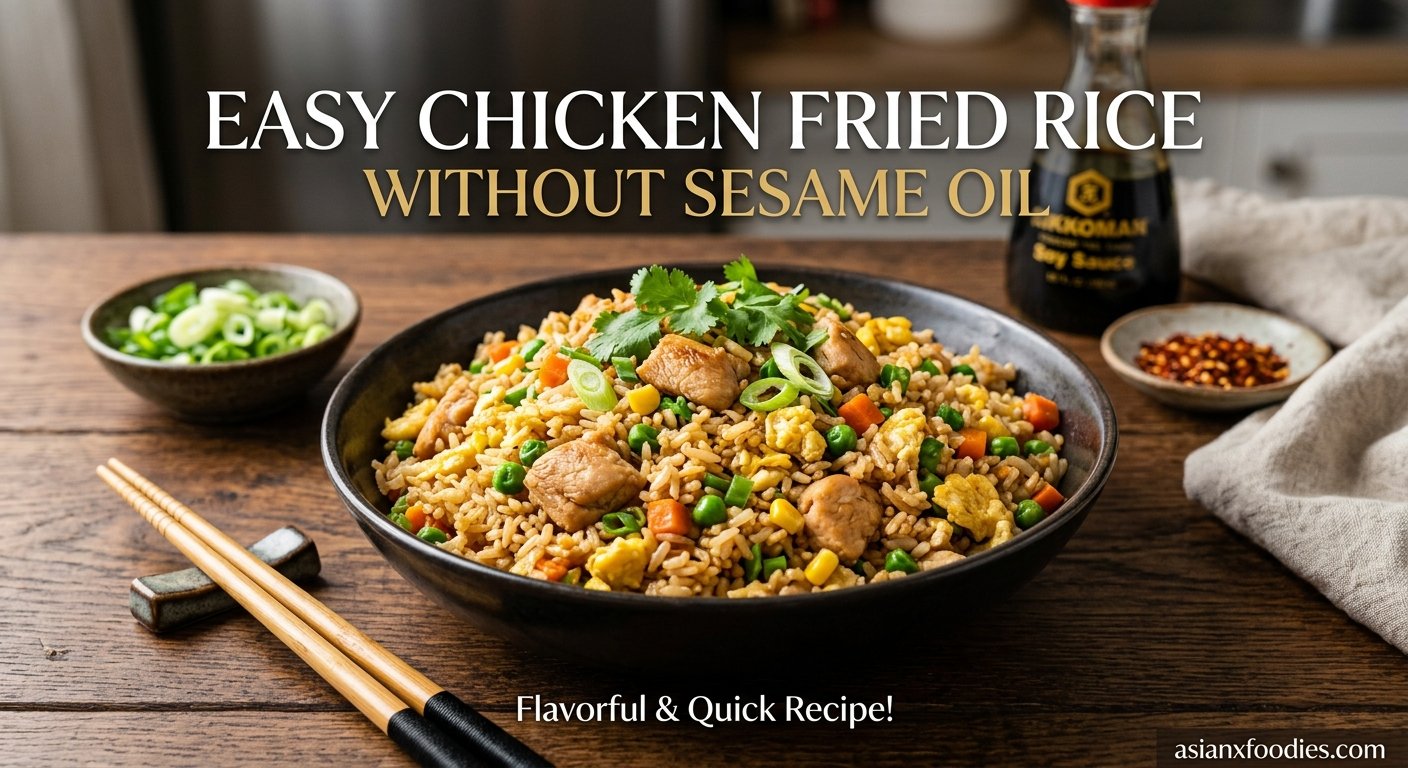
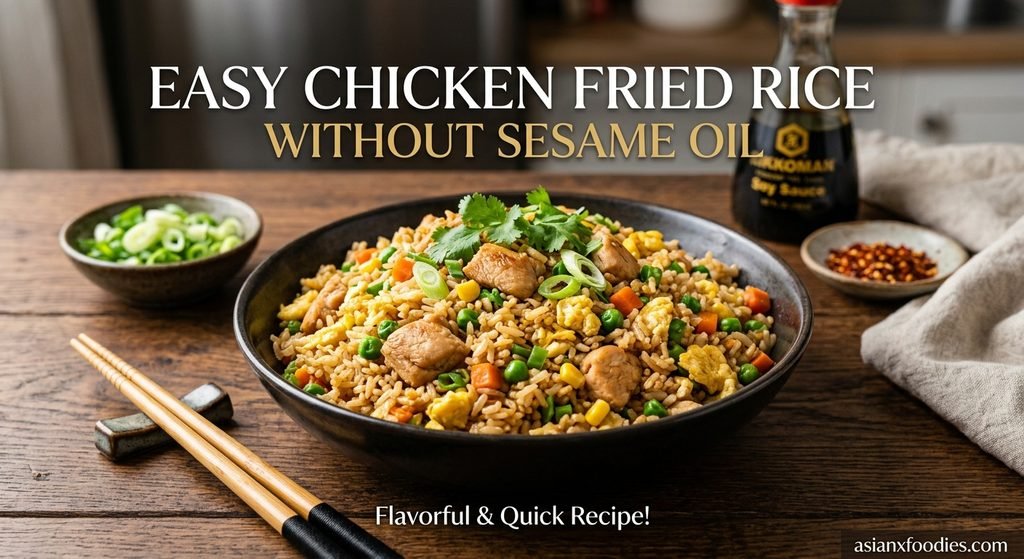
Easy Chicken Fried Rice Without Sesame Oil
Chicken fried rice is one of those simple meals that can turn leftover rice and a few basic ingredients into something delicious. It is quick to prepare, filling, budget-friendly, and perfect for busy weeknights when you want a homemade meal without spending hours in the kitchen. The best part is that you do not need sesame oil to make flavorful chicken fried rice. With a few pantry staples, fresh vegetables, tender chicken, and the right seasonings, you can prepare a tasty dish that everyone at the table will enjoy.
This easy chicken fried rice without sesame oil is perfect for anyone who does not have sesame oil at home, dislikes its strong flavor, or simply wants to prepare a meal using ingredients already available in the kitchen. Regular vegetable oil, canola oil, or olive oil works well for cooking the chicken, vegetables, and rice.
Whether you are preparing lunch for yourself, making a quick family dinner, or using leftover chicken and rice, this recipe is simple, flexible, and full of flavor. You can also customize it with your favorite vegetables, sauces, and seasonings.
Why You Will Love This Chicken Fried Rice Without Sesame Oil
There are plenty of reasons to add this easy chicken fried rice recipe to your regular meal rotation. It is practical, delicious, and does not require any special cooking equipment or hard-to-find ingredients.
- No sesame oil needed: You can make delicious fried rice using ordinary cooking oil without sacrificing flavor.
- Quick and easy: The recipe comes together in approximately 25–30 minutes, making it suitable for busy evenings.
- Perfect for leftover rice: Day-old rice works especially well because it is less moist and fries beautifully.
- Budget-friendly: Most ingredients are affordable pantry staples that you may already have at home.
- Customizable: Add carrots, peas, bell peppers, broccoli, or any vegetables you enjoy.
- Great for meal prep: Make a larger batch and portion it into containers for convenient lunches.
- Family-friendly: Adjust the seasonings to make it mild or add chili flakes for a little heat.
The recipe is also an excellent way to reduce food waste by using leftover cooked rice and chicken instead of throwing them away.
What Does Chicken Fried Rice Without Sesame Oil Taste Like?
Chicken fried rice without sesame oil tastes savory, slightly sweet from the vegetables, and deliciously seasoned with soy sauce, garlic, and ginger. Sesame oil is traditionally used in many fried rice recipes because of its distinctive nutty aroma, but it is not essential for making a satisfying dish.
When you use a good cooking oil, cook the ingredients properly, and season the rice evenly, you can still achieve a delicious result. Garlic and ginger add depth, soy sauce brings a savory taste, and green onions provide a fresh finishing touch.
The chicken becomes tender and flavorful as it cooks with the seasonings, while the rice absorbs the sauce and develops a lightly toasted texture in the pan. Every bite combines soft rice, juicy chicken, and colorful vegetables.
Ingredients for Easy Chicken Fried Rice Without Sesame Oil
You only need a handful of simple ingredients to prepare this homemade chicken fried rice. Most of them are easy to find at any grocery store.
Prep time: 10 minutes | Cook time: 15–20 minutes | Total time: 25–30 minutes | Servings: 4
Main Ingredients
- 3 cups cooked rice: Preferably cold, day-old white rice. Jasmine or long-grain rice works particularly well.
- 2 cups boneless chicken breast: Cut into small, bite-sized pieces. Chicken thighs are also a good option.
- 2 tablespoons vegetable oil: Use canola, sunflower, or another neutral cooking oil instead of sesame oil.
- 2 large eggs: Lightly beaten to add protein and texture.
- 1 small onion: Finely chopped for a savory base.
- 1 cup mixed vegetables: Carrots, green peas, and corn are excellent choices.
- 2 cloves garlic: Minced for extra flavor.
- 1 teaspoon fresh ginger: Grated or finely minced for a warm, aromatic taste.
- 3 tablespoons soy sauce: Adds savory flavor and gives the rice its familiar fried rice color.
- 2 green onions: Thinly sliced for freshness and garnish.
- ¼ teaspoon black pepper: Adds a mild, earthy flavor.
- Salt to taste: Add carefully because soy sauce already contains salt.
Optional Ingredients
- 1 tablespoon oyster sauce for a richer, savory taste.
- ½ teaspoon chili flakes for a spicy kick.
- ½ teaspoon rice vinegar for a little acidity.
- 1 tablespoon butter for extra richness.
- A handful of chopped bell peppers for additional color and crunch.
You can easily adjust the ingredients depending on what you have in your kitchen. If you do not have fresh vegetables, frozen mixed vegetables are a convenient alternative.
How to Make Chicken Fried Rice Without Sesame Oil
Making chicken fried rice at home is straightforward. The secret is to prepare all the ingredients before you start cooking and use a hot pan to keep the rice from becoming soggy.
Step 1: Prepare the rice
Start by preparing your cooked rice. Cold, day-old rice is ideal because it has less surface moisture and the grains tend to stay separate during frying.
If you are cooking rice specifically for this recipe, spread the freshly cooked rice on a large tray and allow it to cool promptly. Refrigerate it in a shallow container until cold. Avoid leaving cooked rice at room temperature for extended periods.
Before cooking, gently break up any large clumps with a fork or clean hands. This helps the rice heat evenly and prevents large lumps from forming in the pan.
Step 2: Cut and season the chicken
Cut the boneless chicken breast into small, evenly sized pieces so that they cook quickly and evenly.
Place the chicken in a bowl and season it with a tablespoon of soy sauce and a little black pepper. Mix well and allow it to sit for a few minutes while you prepare the remaining ingredients.
You can also use leftover cooked chicken. Simply shred or dice it into bite-sized pieces and add it later in the cooking process to heat through.
Step 3: Cook the chicken
Heat one tablespoon of vegetable oil in a large skillet or wok over medium-high heat. Once the oil is hot, add the seasoned chicken in a single layer.
Cook for approximately 5–7 minutes, stirring occasionally, until the chicken is golden on the outside and fully cooked inside. The exact cooking time depends on the size of the pieces.
Chicken should reach an internal temperature of 165°F (74°C) to be safe to eat. Remove the cooked chicken from the skillet and place it on a clean plate.
Avoid overcrowding the pan, as too much chicken at once can release moisture and prevent it from browning properly. Cook in batches if necessary.
Step 4: Scramble the eggs
Add a little more vegetable oil to the same skillet if needed. Pour in the beaten eggs and allow them to cook for a few seconds.
Gently stir with a spatula until the eggs form soft curds and are fully cooked. Remove them from the pan and set aside with the chicken.
Cooking the eggs separately helps prevent them from becoming overcooked while you fry the rice and vegetables.
Step 5: Sauté the vegetables
Add the remaining vegetable oil to the skillet. Add the chopped onion and cook for 2–3 minutes until it begins to soften.
Stir in the minced garlic and grated ginger. Cook for approximately 30 seconds, stirring constantly, until fragrant. Be careful not to burn the garlic because it can become bitter.
Add the mixed vegetables and cook for another 3–4 minutes. If you are using frozen vegetables, there is no need to thaw them completely beforehand, but avoid adding excess ice or water to the pan.
The vegetables should be tender but still retain a little bite. This gives the finished chicken fried rice a pleasant texture.
Step 6: Add the cooked rice
Add the cold, separated rice to the skillet with the vegetables. Use a spatula to gently toss everything together.
Spread the rice across the pan and let it cook undisturbed for 30–60 seconds at a time before stirring. This allows some of the rice to make contact with the hot surface and develop a lightly toasted flavor.
Continue stir-frying for approximately 3–4 minutes, breaking up any remaining clumps. Make sure the rice is heated thoroughly.
If your skillet is small, cook the rice in batches to prevent overcrowding. A crowded pan traps steam, which can make fried rice soft and sticky.
Step 7: Add soy sauce and seasonings
Pour the remaining soy sauce evenly over the rice instead of adding it all in one spot. Toss well so the sauce coats the grains without making any section overly salty.
Add black pepper, and if desired, oyster sauce or chili flakes. Stir-fry for another 1–2 minutes to distribute the flavors.
Taste the rice before adding any extra salt. Soy sauce usually provides enough seasoning, especially if you are also using oyster sauce.
Step 8: Combine everything
Return the cooked chicken and scrambled eggs to the skillet. Gently toss everything together so the chicken and eggs are evenly distributed throughout the rice.
Cook for another 2–3 minutes, stirring frequently, until all the ingredients are piping hot.
Add the sliced green onions during the final minute of cooking to preserve their fresh flavor. If you like a little brightness, add a small splash of rice vinegar just before removing the skillet from the heat.
Step 9: Serve and enjoy
Turn off the heat and transfer the chicken fried rice to serving bowls or plates. Garnish with additional sliced green onions if desired.
Serve immediately while the rice is hot and the vegetables still have a little crunch. You can enjoy it on its own or pair it with your favorite homemade side dish.
Best Oil Substitutes for Sesame Oil in Fried Rice
If you do not have sesame oil, there are several alternatives that work well in chicken fried rice. The most important thing is to choose an oil that can handle the heat of stir-frying without overpowering the other ingredients.
| Oil substitute | Flavor | Best use |
|---|---|---|
| Vegetable oil | Neutral | Everyday fried rice |
| Canola oil | Very mild | High-heat cooking |
| Sunflower oil | Light | Chicken and vegetable fried rice |
| Avocado oil | Mild and buttery | High-heat stir-frying |
| Olive oil | Slightly fruity | Home-style fried rice |
| Peanut oil | Mildly nutty | Traditional-style stir-frying |
Vegetable oil is one of the easiest choices because it has a neutral flavor and allows the garlic, ginger, chicken, and soy sauce to stand out.
You do not need to add another ingredient to replace the nutty aroma of sesame oil. A well-seasoned fried rice can taste excellent without it.
Tips for Making the Best Chicken Fried Rice
A few simple techniques can make a big difference in the texture and flavor of your homemade chicken fried rice.
- Use cold rice: Cold, refrigerated rice is easier to stir-fry and helps keep the grains separate.
- Choose a large skillet: A wide skillet or wok gives the ingredients enough room to cook evenly.
- Cook over medium-high to high heat: Properly heated cookware helps prevent the rice from steaming.
- Avoid too much oil: Adding excessive oil can make the dish greasy instead of light and flavorful.
- Cook the chicken separately: This helps the chicken brown properly without overcooking the vegetables or rice.
- Add soy sauce gradually: Too much soy sauce can make the rice overly salty and wet.
- Do not overcrowd the pan: Cooking in batches is better than steaming a large amount of rice in a small skillet.
- Use fresh aromatics: Garlic, ginger, and green onions add plenty of flavor without requiring sesame oil.
These small adjustments can help you achieve restaurant-style results using basic kitchen ingredients.
Common Mistakes to Avoid
Even a simple fried rice recipe can become disappointing if a few important details are overlooked.
Using freshly cooked, wet rice: Fresh rice often contains excess moisture, which can make the finished dish sticky. Use properly chilled rice when possible, or cool freshly cooked rice promptly before refrigerating.
Adding too much soy sauce: Too much liquid seasoning can make the rice soggy and overpower the chicken and vegetables. Start with the recommended amount and adjust to taste.
Cooking everything at once: Adding raw chicken, eggs, vegetables, and rice together can lead to uneven cooking. Cook the chicken and eggs separately before combining them with the other ingredients.
Using low heat: A pan that is not hot enough can cause the rice to steam instead of fry. Preheat your skillet and cook in manageable batches.
Overcooking the vegetables: Vegetables that cook for too long can become mushy. Add them at the appropriate stage and cook until just tender.
What to Serve with Chicken Fried Rice
Chicken fried rice without sesame oil is a satisfying meal on its own, but you can serve it with other dishes to create a more complete dinner.
- Chicken soup: A light homemade soup pairs nicely with the savory rice.
- Cucumber salad: Fresh cucumber with a little vinegar provides a refreshing contrast.
- Stir-fried vegetables: Broccoli, bell peppers, or green beans make an excellent side.
- Spring rolls: Crispy vegetable spring rolls add a crunchy texture.
- Chili garlic sauce: Serve on the side for anyone who enjoys spicy food.
- Fried or steamed dumplings: These make the meal feel more substantial and are ideal for sharing.
For a simple weeknight dinner, you can serve the rice with sliced cucumbers or a small bowl of soup without preparing anything complicated.
Variations of Chicken Fried Rice Without Sesame Oil
One of the best things about homemade fried rice is how easily you can change it to suit your preferences.
Spicy chicken fried rice: Add chili flakes, chopped fresh chilies, or a little chili garlic sauce while stir-frying the rice. Adjust the quantity to your preferred spice level.
Chicken fried rice with frozen vegetables: Replace fresh vegetables with frozen peas, carrots, corn, and green beans. This is a convenient option when you want to prepare dinner using ingredients from your freezer.
Garlic chicken fried rice: Increase the amount of minced garlic to three or four cloves for a stronger garlic flavor. Cook it briefly in the oil to release its aroma without burning it.
Egg-free chicken fried rice: Simply leave out the eggs and add extra chicken or vegetables if desired. This is an easy way to customize the recipe.
Low-sodium chicken fried rice: Use reduced-sodium soy sauce and avoid adding extra salt. You can enhance the flavor with garlic, ginger, black pepper, and fresh green onions.
Chicken fried rice with leftover chicken: Replace the raw chicken with cooked leftover chicken. Add it when you return the eggs to the skillet and heat it thoroughly.
How to Store and Reheat Chicken Fried Rice
If you have leftover chicken fried rice, proper storage helps maintain its quality and food safety.
Allow the rice to cool briefly, then transfer it into shallow, airtight containers and refrigerate promptly, ideally within one hour. Do not leave cooked rice at room temperature for extended periods because bacteria can grow and produce toxins that reheating may not destroy.
Refrigerated leftovers should generally be eaten within 24 hours as a cautious approach for cooked rice.
To reheat, place the rice in a skillet with a small splash of water or oil. Stir frequently until it is steaming hot throughout. You can also use a microwave, stirring halfway through to ensure even heating. Reheat only the portion you intend to eat.
For the best texture and safety, avoid repeatedly cooling and reheating the same batch.
Frequently Asked Questions
Can I make chicken fried rice without sesame oil?
Yes, absolutely. Sesame oil is not essential for making fried rice. Vegetable, sunflower, canola, or avocado oil can be used instead. Garlic, ginger, soy sauce, and green onions provide plenty of flavor.
What is the best oil for chicken fried rice?
Vegetable oil is an excellent everyday option because it has a neutral taste and works well at relatively high cooking temperatures. Canola and sunflower oil are also suitable alternatives.
Can I use olive oil instead of sesame oil?
Yes. Light or regular olive oil can be used to cook chicken fried rice. It has a slightly different flavor from neutral oils, but it works well in a homemade recipe.
Can I make chicken fried rice without a wok?
Yes. A large, heavy skillet or frying pan works perfectly well. Make sure it is wide enough to allow the rice and other ingredients to spread out rather than pile up.
Can I use freshly cooked rice?
Yes, but cold rice is generally better for fried rice because it is less moist. If you use freshly cooked rice, spread it out to release steam and cool it promptly before refrigerating. Avoid leaving cooked rice at room temperature for long periods.
Is chicken fried rice without sesame oil healthy?
It can be part of a balanced meal. Chicken provides protein, while vegetables contribute fiber and essential nutrients. You can control the amount of oil and sodium by choosing a modest amount of cooking oil and reduced-sodium soy sauce.
Can I prepare chicken fried rice ahead of time?
You can prepare the ingredients in advance, such as chopping the vegetables and cutting the raw chicken, and store them separately in the refrigerator. For the best texture, cook the rice and assemble the dish shortly before serving. Store cooked leftovers safely and eat them within 24 hours.
Can I make this recipe gluten-free?
Yes. Use a certified gluten-free soy sauce or tamari and check that any optional sauces are also gluten-free. Ensure all other ingredients meet your dietary requirements.
Nutrition Information
The following is an approximate estimate per serving, based on four servings and the ingredients listed. Actual values vary with the type of rice, chicken, oil, and sauces used.
| Nutrient | Approximate amount |
|---|---|
| Calories | 450–520 kcal |
| Protein | 30–35 g |
| Carbohydrates | 50–60 g |
| Fat | 12–17 g |
| Fiber | 3–5 g |
| Sodium | 600–900 mg |
For a more precise nutritional calculation, use the exact brands and quantities of ingredients in your recipe.
Final Thoughts
This easy chicken fried rice without sesame oil proves that you do not need specialty ingredients to prepare a delicious homemade meal. With cooked rice, tender chicken, fresh or frozen vegetables, eggs, garlic, ginger, and a little soy sauce, you can create a flavorful dish using everyday pantry staples.
The recipe is quick, affordable, customizable, and ideal for busy weeknights or using up leftover ingredients. You can make it spicy, add extra vegetables, or keep it simple for the whole family.
Once you learn the basic technique, you can adjust the ingredients to your taste and prepare this chicken fried rice whenever you want a satisfying homemade meal. Give it a try, experiment with your favorite additions, and enjoy flavorful fried rice without sesame oil.