Easy Homemade Vegetable Spring Rolls Without Deep Frying (Crispy, Healthy & Delicious)
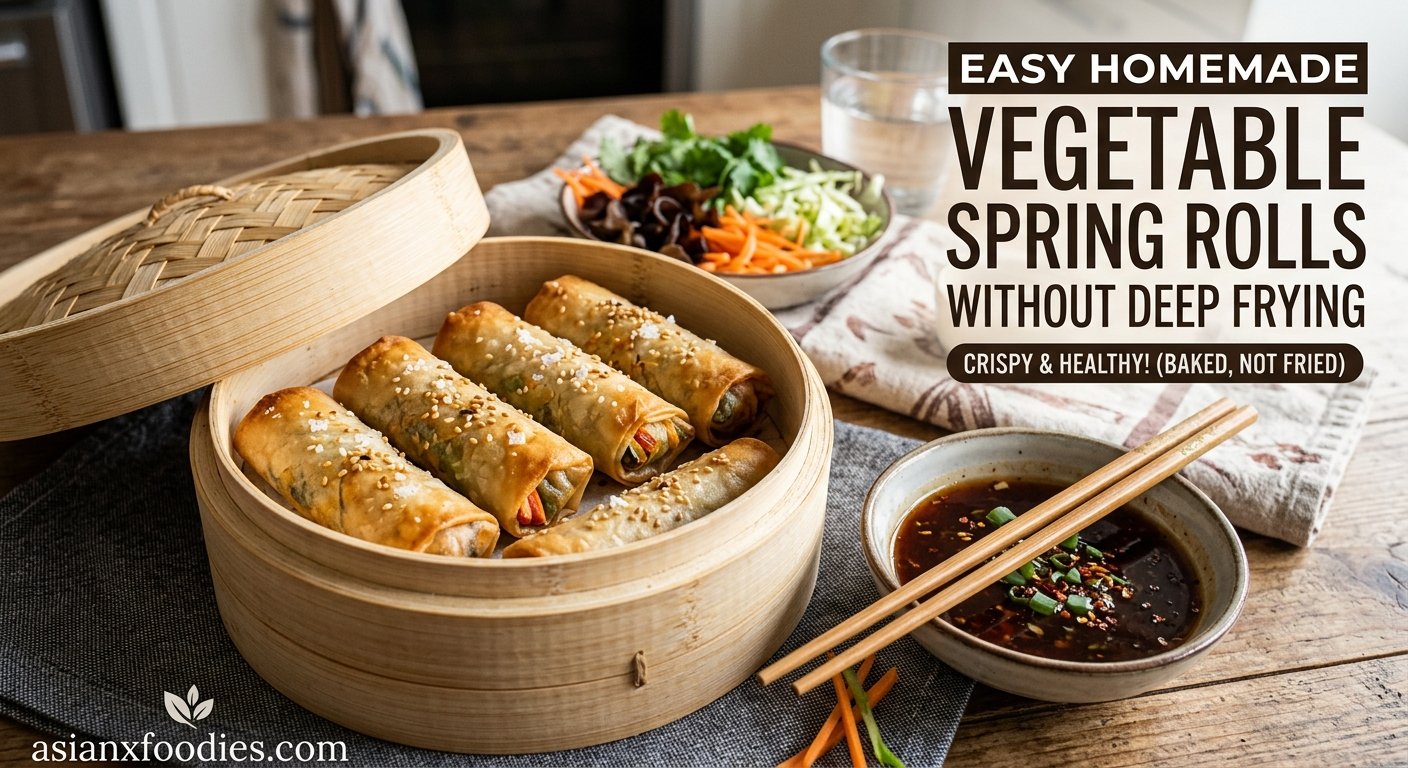
If you love crispy vegetable spring rolls but want to avoid the extra oil that comes with deep frying, these easy homemade vegetable spring rolls without deep frying are the perfect solution. They are light, flavorful, packed with fresh vegetables, and surprisingly easy to prepare at home. Whether you are looking for a quick snack, a healthy appetizer, or a delicious side dish for dinner, these homemade spring rolls are a great choice.
Made with simple ingredients such as cabbage, carrots, bell peppers, and spring roll wrappers, this recipe delivers a satisfying crunch without requiring a deep fryer or large amounts of oil. You can cook them in a pan, bake them in the oven, or prepare them in an air fryer, depending on what works best for your kitchen.
The best part is that you can customize the vegetable filling with whatever you already have in your refrigerator. These vegetable spring rolls are ideal for busy weeknights, family gatherings, lunchboxes, or even meal preparation.
In this guide, you will learn how to make easy homemade vegetable spring rolls without deep frying, along with helpful cooking tips, variations, serving suggestions, and storage instructions.
Why You Will Love These Homemade Vegetable Spring Rolls
There are plenty of reasons to make vegetable spring rolls at home instead of ordering them from a restaurant.
1. No Deep Frying Required
Traditional spring rolls are often deep-fried in hot oil. This recipe offers alternative cooking methods that use significantly less oil while still creating a deliciously crisp exterior.
2. Made with Simple Ingredients
You do not need expensive or hard-to-find ingredients. Most of the vegetables and seasonings used in this recipe are easy to find at a regular grocery store.
3. Perfect for Quick Snacks
These vegetable spring rolls are excellent when you need something tasty without spending hours in the kitchen. Once your vegetables are prepared, assembling the rolls is straightforward.
4. Easy to Customize
You can use your favorite vegetables, adjust the seasonings, or add tofu for extra protein. This flexibility makes the recipe suitable for different tastes.
5. Great for Meal Prep
You can prepare the filling ahead of time or assemble the spring rolls and refrigerate or freeze them for later cooking.
6. Family-Friendly
Their crispy texture and flavorful vegetable filling make these spring rolls a popular snack for both adults and children.
What Are Vegetable Spring Rolls?
Vegetable spring rolls are a popular appetizer enjoyed in many Asian cuisines. They generally consist of thin wrappers filled with chopped or shredded vegetables, seasonings, and sometimes noodles or protein.
Although ingredients and preparation methods vary by region, homemade vegetable spring rolls are especially versatile. You can prepare them with cabbage, carrots, onions, bell peppers, mushrooms, and other vegetables.
In this recipe, the spring rolls are cooked without deep frying. Instead, a small amount of oil is used for pan-frying, baking, or air frying. The result is a golden exterior with a tender, savory vegetable filling.
Ingredients for Easy Homemade Vegetable Spring Rolls Without Deep Frying
This recipe makes approximately 10 spring rolls, depending on the size of your wrappers.
Main Ingredients
- 10 spring roll wrappers
- 2 cups finely shredded cabbage
- 1 medium carrot, grated or julienned
- 1 small bell pepper, thinly sliced
- 1 small onion, finely sliced
- 2 garlic cloves, minced
- 1/2 cup thinly sliced mushrooms (optional)
- 2 tablespoons chopped spring onions
- 1 tablespoon cooking oil
- 1 tablespoon soy sauce
- 1/2 teaspoon black pepper
- 1/2 teaspoon salt, or to taste
- 1/2 teaspoon grated ginger (optional)
For Sealing the Spring Rolls
- 2 tablespoons water
- 1 tablespoon all-purpose flour
Mix the flour and water in a small bowl to create a smooth paste. This mixture will help seal the wrappers and prevent the filling from escaping during cooking.
For Cooking
- 1–2 tablespoons cooking oil for pan-frying
- A light coating of oil for baking or air frying
You can adjust the ingredients according to your preferences. For example, add bean sprouts for extra crunch or mushrooms for a deeper savory flavor.
Kitchen Equipment You Will Need
You do not need special kitchen equipment to prepare these homemade vegetable spring rolls.
- A large frying pan or skillet
- A cutting board
- A sharp knife
- A mixing bowl
- A wooden spoon or spatula
- A small bowl for sealing paste
- A baking tray or air fryer, depending on the cooking method
- A pastry brush or cooking spray
A nonstick pan is especially helpful if you plan to cook your spring rolls using only a small amount of oil.
How to Make Easy Homemade Vegetable Spring Rolls Without Deep Frying
Making vegetable spring rolls at home is easier than it might seem. Follow these simple steps to prepare a flavorful filling, assemble the rolls, and cook them until golden and crisp.
Step 1: Prepare the Vegetables
Start by washing all your vegetables thoroughly under running water. Remove any damaged outer leaves from the cabbage and peel the carrot.
Shred the cabbage into thin strips, grate or julienne the carrot, and slice the bell pepper and onion into narrow pieces. Mince the garlic and ginger if you are using them.
Try to cut the vegetables into similar-sized pieces. Thinly sliced vegetables cook quickly and are easier to roll inside the wrappers.
Keep the prepared vegetables in separate bowls or arrange them on a cutting board so they are ready to use.
Step 2: Cook the Vegetable Filling
Heat one tablespoon of cooking oil in a large skillet over medium heat. Add the minced garlic and ginger, stirring for about 30 seconds until fragrant.
Add the sliced onions and cook for 1–2 minutes until they begin to soften. Next, add the carrots, cabbage, bell pepper, and mushrooms, if using.
Stir-fry the vegetables for approximately 3–5 minutes. Keep stirring regularly to ensure that they cook evenly without becoming too soft.
The vegetables should be slightly tender but still retain some crunch. Avoid overcooking them because a soft, watery filling can make the spring roll wrappers soggy.
Step 3: Season the Filling
Add the soy sauce, black pepper, and salt to the vegetables. Mix everything thoroughly so the seasonings coat the ingredients evenly.
Add the chopped spring onions and stir for another 30 seconds.
Taste the filling and adjust the seasoning if needed. You can add a little extra soy sauce for a stronger savory flavor or a pinch of chili flakes if you enjoy spicy food.
Remove the pan from the heat and allow the filling to cool completely before assembling the spring rolls.
Important tip: If there is excess moisture in the pan, cook the vegetables for another minute or two until the liquid evaporates. A dry filling helps keep the wrappers crisp.
Step 4: Prepare the Sealing Paste
In a small bowl, combine one tablespoon of all-purpose flour with two tablespoons of water.
Stir until you have a smooth paste without lumps. This simple mixture works as an adhesive to keep the wrappers securely closed.
Place the sealing paste near your work surface so it is easy to reach while assembling the spring rolls.
Step 5: Assemble the Spring Rolls
Place one spring roll wrapper on a clean, dry surface in a diamond shape, with one corner pointing toward you.
Add approximately 2 tablespoons of the cooled vegetable filling near the bottom corner of the wrapper. Keep the filling compact and avoid overstuffing.
Fold the bottom corner over the filling, then fold both side corners toward the center. Roll the wrapper upward firmly but gently until you reach the top corner.
Apply a small amount of flour paste to the top corner and press it down to seal the spring roll.
Repeat the process with the remaining wrappers and filling.
Make sure the edges are sealed properly so the spring rolls do not open during cooking.
Step 6: Choose Your Cooking Method
Once the spring rolls are assembled, you can cook them using a skillet, an oven, or an air fryer.
Method 1: Pan-Fry Without Deep Frying
Pan-frying is a simple way to make crispy vegetable spring rolls without using a large quantity of oil.
- Heat a nonstick skillet over medium heat.
- Add 1–2 tablespoons of cooking oil and spread it evenly across the pan.
- Place the spring rolls in the skillet in a single layer, leaving a little space between them.
- Cook for 2–3 minutes on each side until golden brown.
- Turn them carefully using tongs or a spatula to brown all sides.
- Remove the spring rolls and place them on a paper towel-lined plate to absorb excess oil.
Depending on the wrapper and the heat of your pan, the total cooking time may vary. Keep the heat moderate to prevent the wrappers from browning too quickly.
Method 2: Bake in the Oven
Baking is another convenient option if you want to cook a larger batch of vegetable spring rolls at once.
- Preheat your oven to 400°F (200°C).
- Line a baking tray with parchment paper.
- Arrange the assembled spring rolls on the tray, leaving space between them.
- Lightly brush or spray the spring rolls with oil on all sides.
- Bake for 15–20 minutes, turning them halfway through.
- Remove them when the wrappers are golden and crisp.
Oven temperatures can vary, so begin checking them after approximately 12 minutes. If your wrappers are particularly thin, they may cook faster.
Method 3: Air Fryer Vegetable Spring Rolls
An air fryer is an excellent choice for making crispy vegetable spring rolls with minimal oil.
- Preheat your air fryer to 375°F (190°C), if your model requires preheating.
- Lightly brush the spring rolls with cooking oil or use a small amount of cooking spray.
- Arrange them in a single layer in the air fryer basket.
- Air fry for 8–12 minutes, turning them halfway through.
- Continue cooking until they are evenly golden and crisp.
Avoid overcrowding the basket because proper air circulation helps the wrappers cook evenly.
Cooking times can differ between air fryer models, so keep an eye on the spring rolls during the final few minutes.
Tips for Making Crispy Vegetable Spring Rolls Without Deep Frying
Getting a crispy texture without deep frying is easy when you follow a few practical tips.
Keep the filling dry: Excess moisture is one of the biggest reasons spring rolls turn soggy. Cook off excess liquid and allow the filling to cool before wrapping.
Do not overfill the wrappers: Adding too much filling can make the wrappers difficult to seal and more likely to tear during cooking.
Use a moderate amount of oil: A light, even coating helps the wrappers brown and crisp. Too much oil is unnecessary for pan-frying, baking, or air frying.
Avoid overcrowding: Give each spring roll enough room in the pan, oven tray, or air fryer basket to cook evenly.
Seal the wrappers properly: Use a little flour paste on the final corner to help keep the rolls closed.
Cook just before serving: Spring rolls are usually at their crispiest immediately after cooking. If you are making them ahead, store them uncooked and cook them when needed.
Best Vegetables to Use for Spring Rolls
One of the best things about homemade vegetable spring rolls is how easy they are to customize.
- Cabbage: Adds bulk, a mild flavor, and a pleasant texture.
- Carrots: Provide natural sweetness, color, and crunch.
- Bell peppers: Add freshness and a slightly sweet taste.
- Mushrooms: Bring a rich, savory flavor.
- Spring onions: Give the filling a mild onion flavor.
- Bean sprouts: Add a fresh, crunchy texture.
- Spinach: Provides a tender leafy element when used in moderation.
- Zucchini: Adds moisture and a mild flavor, but should be cooked until excess liquid evaporates.
You can combine different vegetables based on what is available. Just remember that vegetables with high water content should be cooked carefully to prevent a soggy filling.
Delicious Variations of Homemade Vegetable Spring Rolls
You can easily adapt this basic recipe to create different flavors.
Spicy Vegetable Spring Rolls
If you enjoy spicy snacks, add 1/2 teaspoon of chili flakes, a little chili sauce, or finely chopped fresh chili to the vegetable filling.
Adjust the spice level according to your taste. Serve these rolls with sweet chili sauce for a delicious contrast.
Vegetable Spring Rolls with Noodles
For a more filling option, add a small portion of cooked and cooled rice noodles or thin noodles to the vegetable mixture.
Cut the noodles into shorter lengths before adding them so they are easier to distribute inside the wrappers.
Mushroom and Cabbage Spring Rolls
Mushrooms and cabbage make a flavorful combination. Finely slice the mushrooms and stir-fry them until most of their moisture has evaporated before mixing them with the cabbage.
A little extra garlic and black pepper can enhance the savory taste.
Tofu Vegetable Spring Rolls
For additional protein, crumble firm tofu and cook it with the vegetables. Press the tofu beforehand to remove excess water, then stir-fry until lightly golden.
This variation makes the spring rolls more satisfying and suitable as a light meal.
Cheesy Vegetable Spring Rolls
For a fusion-style snack, add a small amount of grated cheese to the cooled vegetable filling. Mozzarella or cheddar can work well.
Avoid adding too much cheese because it may leak during cooking. Seal the wrappers carefully and cook until the exterior is crisp.
What to Serve with Vegetable Spring Rolls
Homemade vegetable spring rolls taste delicious on their own, but the right dipping sauce can make them even better.
Sweet chili sauce: Its sweet and mildly spicy flavor pairs beautifully with crispy vegetable spring rolls.
Soy dipping sauce: Mix soy sauce with a little lemon juice, minced garlic, and a pinch of sugar for a quick savory dip.
Garlic chili sauce: Combine chili sauce with finely minced garlic for a bold, spicy accompaniment.
Peanut dipping sauce: Mix smooth peanut butter with a little soy sauce, warm water, lime juice, and a touch of honey for a creamy dip.
Sweet and sour sauce: This tangy sauce provides a pleasant contrast to the savory vegetable filling.
These spring rolls also pair well with fried rice, vegetable noodles, soup, or a fresh salad.
How to Store Homemade Vegetable Spring Rolls
Proper storage helps maintain the flavor and quality of your homemade spring rolls.
Storing Uncooked Spring Rolls
If you want to prepare spring rolls ahead of time, arrange the uncooked rolls in a single layer in an airtight container, separating layers with parchment paper to help prevent sticking.
Refrigerate them and cook within 24 hours for the best quality. Keep them covered so the wrappers do not dry out.
Freezing Uncooked Spring Rolls
Spring rolls can also be frozen before cooking.
Arrange them in a single layer on a parchment-lined tray and freeze until firm. Transfer the frozen rolls to a freezer-safe airtight bag or container.
For the best quality, use them within approximately 2 months. Cook them directly from frozen, adding extra cooking time as needed and checking that the wrappers are thoroughly cooked.
Storing Cooked Spring Rolls
Allow cooked spring rolls to cool, then refrigerate them in an airtight container within 2 hours of cooking. Use them within 3–4 days.
For the best texture, reheat them in an oven or air fryer at 350°F (175°C) until hot and crisp. Avoid microwaving if you want to preserve their crunchy exterior.
Common Mistakes to Avoid
Even a simple spring roll recipe can go wrong if a few important details are overlooked.
Using hot filling: Warm or hot filling can soften the wrappers and make them difficult to handle. Always allow the vegetable mixture to cool completely.
Adding too much sauce: Excess soy sauce or other liquid seasonings can make the filling watery. Use seasonings in moderation and cook away excess moisture.
Wrapping too loosely: Loose wrapping can allow the filling to move around and cause the spring rolls to open while cooking. Roll them firmly without stretching or tearing the wrappers.
Cooking at very high heat: High heat can brown the outside before the wrapper has cooked evenly. Use moderate heat for pan-frying and follow the recommended temperature for your oven or air fryer.
Skipping the oil coating: For oven-baked and air-fried spring rolls, a light oil coating helps achieve a more golden, crisp finish.
Stacking freshly cooked rolls: Placing hot spring rolls directly on top of one another traps steam, which can soften the exterior. Arrange them in a single layer on a wire rack or plate.
Are Homemade Vegetable Spring Rolls Healthy?
Homemade vegetable spring rolls without deep frying can be a lighter alternative to traditional deep-fried versions because they use less added oil.
They contain a variety of vegetables that provide fiber, vitamins, minerals, and different textures. Baking and air frying can also reduce the amount of oil needed during cooking.
However, the nutritional value depends on the type of wrappers, the quantity of oil, the filling, and the dipping sauces you use. Spring roll wrappers may contain refined flour, and sauces can add sodium or sugar.
For a more balanced snack, serve your vegetable spring rolls with a fresh salad or a protein-rich side such as tofu. You can also use whole-grain wrappers if a suitable option is available.
Frequently Asked Questions
1. Can I make vegetable spring rolls without deep frying?
Yes. You can pan-fry them using a small amount of oil, bake them in the oven, or cook them in an air fryer. All three methods can produce delicious spring rolls without the need for deep frying.
2. How do I make spring rolls crispy without deep frying?
The key is to use a dry filling, seal the wrappers properly, and apply a light coating of oil before cooking. Avoid overcrowding the pan or air fryer and cook until the wrappers turn golden brown.
3. Can I make vegetable spring rolls in an air fryer?
Yes. Air frying is a convenient method. Cook the spring rolls at 375°F (190°C) for approximately 8–12 minutes, turning halfway through, until golden and crisp. Cooking times may vary by appliance.
4. Why are my homemade spring rolls soggy?
Spring rolls usually become soggy when the filling contains too much moisture, the wrappers are exposed to steam, or the rolls are stacked while hot. Cook the vegetables until excess moisture evaporates and allow the filling to cool before wrapping.
5. Can I prepare vegetable spring rolls in advance?
Yes. You can prepare the filling and refrigerate it separately or assemble the spring rolls and refrigerate them for up to 24 hours. For longer storage, freeze the uncooked rolls.
6. Which wrappers are best for vegetable spring rolls?
Thin spring roll pastry wrappers are ideal for crispy spring rolls. Choose wrappers specifically designed for frying or baking, and follow the package instructions for thawing and handling.
Rice paper wrappers are different from traditional spring roll pastry and may require a different preparation method.
7. Can I make these spring rolls vegan?
Yes. The vegetable filling is naturally plant-based when prepared with vegetables, soy sauce, and oil. Check the wrapper ingredients and choose a vegan-friendly wrapper, as some varieties may contain egg or other animal-derived ingredients.
8. What is the best way to reheat vegetable spring rolls?
An oven or air fryer is generally best for reheating because it helps restore crispness. Heat at 350°F (175°C) until thoroughly hot, adjusting the time to the size and quantity of the rolls.
Easy Homemade Vegetable Spring Rolls Without Deep Frying Recipe Card
Prep Time: 20 minutes
Cook Time: 15–20 minutes, depending on the cooking method
Total Time: Approximately 40 minutes
Servings: 4
Yield: Approximately 10 spring rolls
Course: Appetizer, Snack
Cuisine: Asian-inspired
Cooking Methods: Pan-frying, baking, or air frying
Ingredients
- 10 spring roll wrappers
- 2 cups shredded cabbage
- 1 medium grated carrot
- 1 small sliced bell pepper
- 1 small sliced onion
- 2 minced garlic cloves
- 1/2 cup sliced mushrooms (optional)
- 2 tablespoons chopped spring onions
- 1 tablespoon cooking oil
- 1 tablespoon soy sauce
- 1/2 teaspoon black pepper
- Salt to taste
- 1 tablespoon all-purpose flour
- 2 tablespoons water
- A little extra oil for cooking
Instructions
- Wash and finely slice all the vegetables.
- Heat one tablespoon of oil in a skillet over medium heat.
- Add garlic and ginger, if using, and cook until fragrant.
- Add onions, carrots, cabbage, bell peppers, and mushrooms.
- Stir-fry for 3–5 minutes until slightly tender but still crisp.
- Add soy sauce, salt, and black pepper. Stir in the spring onions.
- Cook away excess moisture and allow the filling to cool completely.
- Mix flour and water to make a sealing paste.
- Place a spring roll wrapper on a clean surface and add about 2 tablespoons of filling.
- Fold the bottom and sides inward, roll tightly, and seal the top corner with the flour paste.
- Repeat with the remaining wrappers and filling.
- Pan-fry with a little oil, bake at 400°F (200°C), or air fry at 375°F (190°C) until golden and crisp.
- Serve warm with your favorite dipping sauce.
Final Thoughts
These easy homemade vegetable spring rolls without deep frying are a delicious way to enjoy a crispy snack using simple, everyday ingredients. With fresh vegetables, flavorful seasonings, and a golden wrapper, they offer plenty of taste without requiring a deep fryer or large quantities of oil.
Whether you choose to pan-fry, bake, or air fry them, the recipe is easy to follow and flexible enough to suit your preferences. You can experiment with different vegetables, add noodles or tofu, or adjust the seasonings to create your own favorite version.
They are perfect for family snacks, parties, lunchboxes, and quick appetizers. Once you learn how to prepare the filling and roll the wrappers properly, making homemade vegetable spring rolls becomes a simple and enjoyable kitchen routine.
Try this recipe the next time you want something crunchy, savory, and satisfying. Serve the spring rolls fresh with a delicious dipping sauce, and enjoy a homemade snack that everyone can love.