Japanese Hijiki Seaweed Salad with Carrots
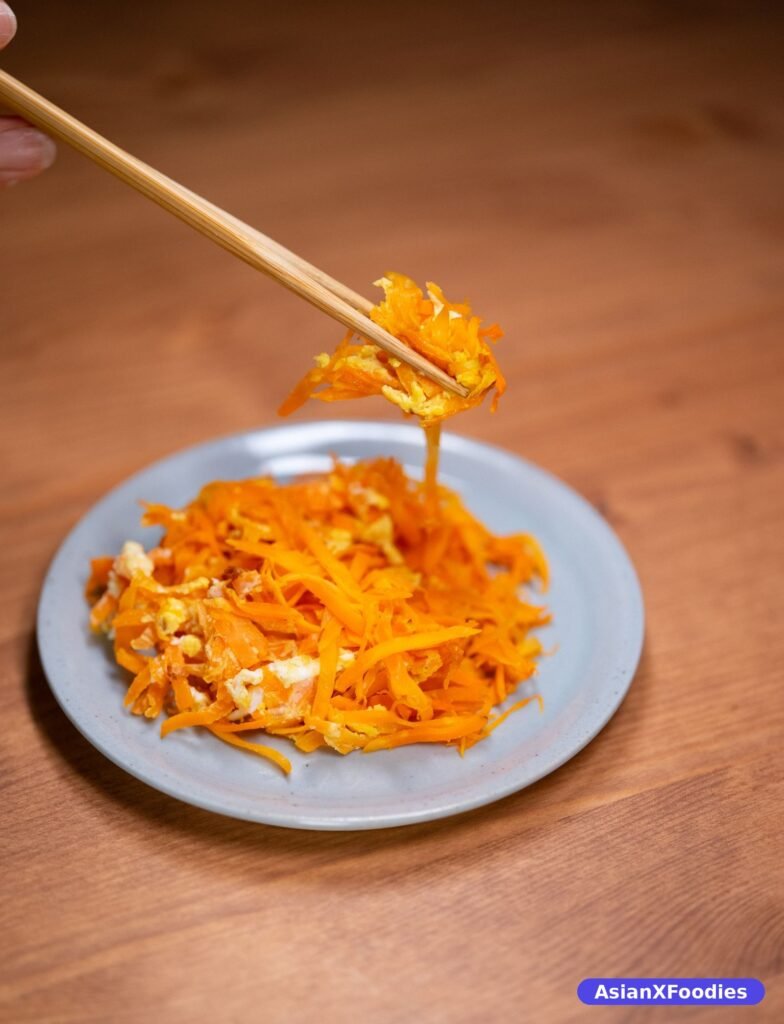
The first time I ate hijiki, I did not know what it was, and I am fairly sure I would have been too nervous to try it if someone had told me first. It was a tiny dish on a tray in a little set-meal restaurant in Osaka, the kind of place where lunch comes on a lacquered tray with rice, miso soup, a piece of grilled fish, and three or four small bowls you are meant to pick at slowly. I was on my own, jet-lagged, and pointing at the picture menu with the confidence of someone who had no idea what he was ordering. The tray arrived, and there in the smallest bowl was a dark tangle of something that looked, honestly, a bit like black twigs in a glossy sauce, with bright orange shreds of carrot running through it and a scattering of sesame seeds on top.
I ate the fish first. I ate the rice. I circled the little dark bowl for a while, the way you do when you are not sure whether you are being brave or foolish. And then I took a small mouthful with my chopsticks, because it was there and because I had already paid for it, and I was surprised in the best possible way. It was not fishy at all, which is what I had been bracing for. It was savoury and a little bit sweet, with a soft, chewy bite and a flavour I could only describe as the sea, but gentle — like the smell of the beach from a distance, not a wave in the face. The carrots were still crisp, the sesame was nutty, and the sauce had that quiet umami depth that makes you take another mouthful before you have finished thinking about the first one. I finished the whole bowl. Then I asked the woman who ran the place what it was, and she said one word: hijiki.
That was years ago, and hijiki has been a regular in my kitchen ever since, which still surprises people who know me as someone who used to treat seaweed as a garnish you pushed to the side of the plate. The thing about hijiki is that it is not a show-off ingredient. It does not look like much in the packet — a small bag of dried black strands that looks like it belongs in a garden centre rather than a kitchen cupboard — and it will never be the star of a dinner party the way a roast chicken is. But it is one of those quiet, hardworking Japanese side dishes, a kobachi, that makes a meal feel complete. It sits next to rice and grilled fish and miso soup and ties everything together, the way a good bass line holds a song together without anyone noticing.
This version is the one I make most often: hijiki simmered gently with carrots, edamame, and fried tofu, dressed in soy, mirin, and dashi, and finished with sesame seeds. It takes about thirty minutes, most of which is just soaking and simmering, and it keeps in the fridge for days, which means it is one of those rare dishes that actually rewards you for making it ahead. I make a batch on Sunday, and it is there all week — a spoonful next to a rice bowl on Monday, a little pile in a bento box on Tuesday, a quick side for grilled salmon on Wednesday. If you have never cooked with seaweed before, this is a kind and forgiving place to start.
What Is Hijiki, Exactly?
Hijiki is a brown seaweed that grows on the rocky coasts of Japan, Korea, and China, and it has been eaten in Japan for centuries — it turns up in old cookbooks and in everyday home cooking alike, usually as a simmered side dish rather than anything fancy. You buy it dried, in small packets, and in that dried form it looks like short, thin, black twigs or needles, hard and brittle and not at all promising. Soak it in water for twenty to thirty minutes, though, and it transforms: the strands soften, swell to several times their dried size, and turn a deep, glossy brown-black, with a texture that is tender and just slightly chewy, like a very soft noodle that still has some bite to it.
It is worth knowing that hijiki is not the same as the seaweed you meet in sushi or miso soup. Nori is the papery sheet wrapped around a roll. Wakame is the soft, slippery green frond that floats in miso soup. Hijiki is its own thing — darker, firmer, earthier, and almost always cooked, simmered in a seasoned broth until it drinks up the flavour of the sauce. Hijiki has a long history in Japanese cooking, and the classic preparation, hijiki no nimono, is a simmered dish that shows up in school lunches, in bento boxes, and on the little side plates of set meals all over Japan, which tells you something about how ordinary and beloved it is. It is not restaurant food. It is home food, the kind of dish a grandmother makes without a recipe because she has made it a hundred times.
The flavour is mild and savoury, with a faint briny note that is more interesting than strong. If you have ever eaten a simmered seaweed dish and thought, that tastes like the sea but in a good way, that is hijiki doing its job. The soy sauce and mirin in the dressing do most of the talking, and the hijiki itself provides the texture and that deep, dark colour that looks so striking against the orange of the carrots. People who think they do not like seaweed are often surprised by it, because it does not taste like the seaweed snacks from a packet, and it does not have the slippery texture that puts some people off wakame. It is chewy, savoury, and strangely comforting, like a vegetable that has been simmered in stock until it tastes of the stock.
One practical thing to know before you start: a little dried hijiki goes a long way. Twenty grams of dried hijiki — a small handful — will swell up to nearly a full cup once soaked, which is enough for four servings as a side dish. Buy it from a Japanese or Asian grocery store, or from the international aisle of a larger supermarket, and look for packets that say hijiki or hiziki. It keeps for months in the cupboard, so there is no rush to use it, and once you have a packet at home you will find yourself reaching for it more often than you expect.
Why You’ll Love This Recipe
The first reason is that it is genuinely easy, and I mean that in the way a home cook means it, not in the way a cookbook means it when it says easy and then asks you to do twelve things at once. There is one bowl for soaking, one pan for simmering, and about ten minutes of actual work. You soak the hijiki, you rinse it, you put everything in a pan with the sauce, and you let it simmer while you get on with the rest of dinner. There is no chopping marathon — one carrot, julienned or grated, and a small pile of edamame — and there is no technique to master. If you can simmer something in a pan for fifteen minutes, you can make this salad.
The second reason is the flavour, which is much bigger than the effort suggests. The dressing is the classic Japanese simmering combination — soy sauce for salt and depth, mirin for sweetness, sake for a little warmth, and dashi for that savoury backbone — and as the hijiki simmers, it drinks all of it in. The carrots stay bright and a little bit crisp against the soft seaweed, the edamame adds a pop of green and a buttery bite, and the fried tofu soaks up the sauce like a sponge and tastes better than anything in the pan has a right to. A spoonful of this next to plain rice is a complete mouthful, and I have eaten it standing at the kitchen counter more times than I care to admit.
It is also a dish that gets better with time, which is rare and worth celebrating. Most salads wilt and go sad within hours, but hijiki salad improves overnight in the fridge, because the flavours keep settling into each other and the seaweed keeps drinking in the sauce. I make it the evening before I need it whenever I can, and the second-day version is the one I actually prefer — deeper, more rounded, more itself. That makes it perfect for meal prep, for packed lunches, and for anyone who likes the idea of cooking once and eating well three times.
And finally, it is a small, quiet way to eat something different. Most of us rotate through the same handful of side dishes — a green salad, some steamed broccoli, a bowl of rice — and there is nothing wrong with that, but a spoonful of hijiki on the plate makes dinner feel considered, like you actually thought about it. It is the kind of dish that makes guests ask what it is, and then ask for the recipe, and then look slightly surprised when you tell them the main ingredient is dried seaweed from a packet. I like that moment. It is a good reminder that the best food is not always the fanciest food.
Ingredients You’ll Need
- 20g dried hijiki seaweed
- 1 large carrot (about 150g), peeled and julienned or coarsely grated
- 100g shelled edamame, fresh or frozen
- 1 sheet aburaage (fried tofu pouch), about 30g, cut into thin strips
- 1 tablespoon vegetable oil or sesame oil
- 200ml dashi stock (or water with 1 teaspoon dashi powder)
- 2 tablespoons soy sauce
- 2 tablespoons mirin
- 1 tablespoon sake (or dry white wine)
- 1 teaspoon sugar
- 1 tablespoon toasted sesame seeds, plus extra to serve
- 1 teaspoon sesame oil, to finish
- Optional: a pinch of dried chilli flakes, or a few drops of chilli oil
How to Make Japanese Hijiki Seaweed Salad with Carrots
- Soak the hijiki. Put the dried hijiki in a medium bowl and cover it with plenty of cold water. Leave it for 20 to 30 minutes, until the strands have softened and swelled up and look dark and glossy. Give it a stir halfway through so the strands on top get their share of water. You will be surprised how much it grows — that small handful of twigs will fill the bowl, and that is exactly what you want.
- Rinse it well. Drain the hijiki into a fine sieve or colander and rinse it under cold running water, swishing it around with your fingers. Rinse it two or three times, until the water runs clear and there is no grit left. Hijiki grows on rocks, and a little sand sometimes comes along for the ride, so this step is not optional. Pick out any hard bits or stray pieces that still feel stiff, then squeeze the hijiki gently to get rid of the extra water. It does not need to be bone dry, just not dripping.
- Prepare the rest. While the hijiki soaks, peel the carrot and cut it into thin matchsticks, about as thick as a chopstick — or grate it coarsely if you prefer a softer texture. If you are using frozen edamame, tip it into a bowl of hot water for two or three minutes and drain it. Cut the fried tofu into thin strips, about half a centimetre wide. If the tofu feels very oily, pour a little boiling water over it in a sieve first, which takes the excess oil off and helps it soak up the sauce later.
- Start the simmer. Heat the tablespoon of oil in a medium saucepan or a deep frying pan over medium heat. Add the drained hijiki and the carrot, and stir-fry them together for one to two minutes, just until the carrot starts to soften at the edges and everything is coated in oil. This short fry is a small step, but it matters — it wakes the hijiki up and stops it tasting flat.
- Add the sauce. Pour in the dashi, soy sauce, mirin, sake, and sugar, and stir everything together. Add the edamame and the strips of fried tofu, and bring the pan to a gentle simmer. You do not want a rolling boil here — a lazy bubble is right — because a hard boil will toughen the seaweed and make the sauce reduce too fast. Turn the heat down, put a lid on the pan slightly ajar, and let it simmer for 12 to 15 minutes, stirring once or twice, until most of the liquid has been absorbed and the hijiki is tender and glossy.
- Finish and cool. Take the pan off the heat and stir in the toasted sesame seeds and the teaspoon of sesame oil. Taste it now, because this is the moment to adjust — a little more soy sauce if it needs salt, a tiny pinch of sugar if it needs rounding off, a few drops of chilli oil if you like a bit of warmth. Transfer it to a bowl and let it cool to room temperature, then cover it and put it in the fridge for at least an hour. It is good warm, but it is better cold or at room temperature, once the flavours have had a chance to settle.
- Serve. Spoon the salad into small bowls, sprinkle over a few extra sesame seeds, and serve it as a side dish with rice and whatever else you are having. It keeps in the fridge for three to four days in a sealed container, and the flavour only deepens, so do not be shy about making a full batch even if you are only cooking for two.
Tips for the Best Hijiki Salad
Do not skip the rinse. I know it is tempting to drain the hijiki once and call it done, but hijiki is a seaweed that grows on rocks, and grit is its most common fault. Rinse it under cold water two or three times, swishing it with your fingers, and pick out any bits that still feel hard or look like small twigs that refused to soften. One mouthful of sand is enough to ruin a dish you spent half an hour on, and this is the step that prevents it. The same goes for squeezing it gently after rinsing — you want it damp, not dripping, because too much water in the pan will dilute the sauce and make the finished salad soggy instead of glossy.
Watch the simmer, not the clock. Twelve to fifteen minutes is the right range, but pans differ, and so does the size of your hijiki, so use your eyes and your chopsticks rather than a timer. You want most of the liquid absorbed, the hijiki tender and dark and shiny, and the carrots still with a little bite left in them. If the pan dries out too fast, add a splash of water or dashi. If there is still a pool of sauce at the end, take the lid off and simmer for another two or three minutes until it reduces. The finished salad should be moist and glossy, not swimming and not dry — think of it as dressed, not drowned.
Let it rest before you eat it. I know this sounds like the kind of advice that only matters to food writers, but with hijiki it genuinely changes the dish. Straight from the pan, the flavours are still separate — the soy is loud, the mirin is sweet, the seaweed is doing its own thing. After an hour in the fridge, or better still overnight, they settle into each other, and the whole thing tastes rounder and more complete. If you are making this for dinner, make it in the afternoon. If you are making it for tomorrow’s lunch, make it tonight. The fridge is doing real work here, and it costs you nothing.
Toast your sesame seeds. It takes two minutes in a dry pan over medium heat, shaking the pan every few seconds until the seeds smell nutty and a few of them start to pop, and it makes a real difference to the finished dish. Untoasted sesame seeds are fine, but they are quiet — toasted ones are fragrant and nutty and they lift the whole salad. Do not walk away from the pan while you do it, because sesame seeds go from perfect to burnt in about ten seconds, and burnt sesame tastes bitter and will taint the dish. Tip them straight onto a cold plate when they are done so they stop cooking.
Cut the carrot the way you like to eat it. Matchsticks give you a salad with crunch and structure, where the carrot stands up against the soft seaweed and you get a distinct bite of each. Coarse grating gives you something softer and more mixed together, where the carrot threads itself through the hijiki and the whole dish feels more like one thing. Neither is wrong, and I switch between them depending on my mood and on what the meal needs. For a bento box, I julienne, because it holds its shape. For a quiet weeknight dinner at home, I grate, because it is faster and because I like the way it eats with rice.
Variations to Try
The classic version of this dish is endlessly adaptable, and once you have made it once you will start seeing your own version of it. The simplest change is the vegetables. Thinly sliced lotus root adds a lovely crunch and a pale, pretty contrast against the dark seaweed — simmer it with the hijiki for the last five minutes so it stays crisp. A handful of shredded burdock root, gobo, is another traditional addition, earthy and a little bit bitter in a good way, though it needs a longer simmer, so add it at the start. And if you want more green, a few snow peas or a handful of sliced green beans, added in the last three minutes, will keep their colour and give the salad a fresh, bright note.
For protein, the fried tofu in this recipe is the traditional choice, but it is not the only one. Shelled edamame is already in there, and you could double it if you like the buttery pop it gives. A handful of thinly sliced shiitake mushrooms, simmered with the hijiki, adds a deep, meaty flavour that suits the sauce beautifully. Or try a spoonful of hijiki salad spooned over a bowl of rice with a soft-boiled egg on top — the runny yolk against the savoury seaweed is one of those combinations that sounds odd and tastes wonderful, and it turns a side dish into a light lunch all by itself.
You can also change the dressing to suit your taste. A teaspoon of rice vinegar stirred in at the end, after the pan comes off the heat, gives the salad a gentle brightness that cuts through the richness of the soy and sesame — I do this in summer, when I want the dish to feel lighter. A little grated ginger, simmered with the hijiki, adds warmth without heat. And if you like spice, a pinch of shichimi togarashi, the Japanese seven-spice blend, scattered over the top before serving, gives the salad a slow, tingling warmth that builds as you eat. The base recipe is forgiving, and it will take all of these changes without complaining.
One more idea, for the days when you have leftovers and no plan: hijiki salad makes a wonderful filling. I have spooned it into onigiri, the triangular rice balls wrapped in nori, and it works beautifully — the savoury seaweed against plain rice, with a little sesame on the outside. I have also mixed a spoonful into a bowl of cold soba noodles with a splash of the noodle sauce, and into a simple fried rice at the end of cooking, where it adds colour and a deep savoury note. It is the kind of leftovers that invite you to be creative, because it is already seasoned and ready to go.
What to Serve With It
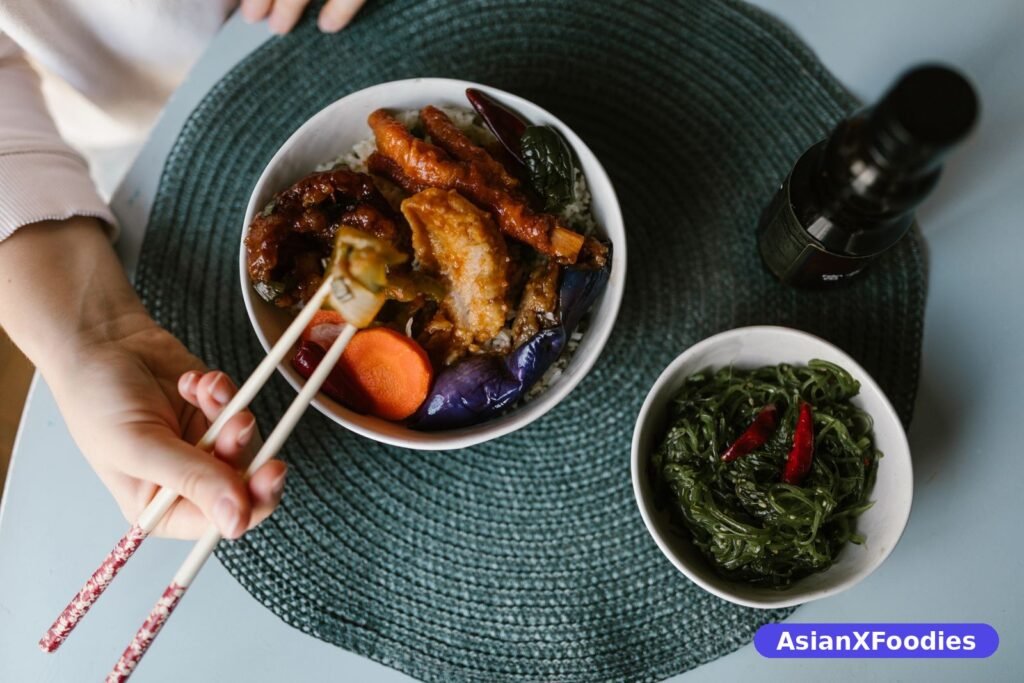
Hijiki salad belongs on the table as a small side dish, and it is at its best as part of a simple Japanese-style meal: a bowl of steamed rice, a piece of grilled fish or chicken, a bowl of miso soup, and two or three small dishes on the side. That is the rhythm of an everyday Japanese dinner, and hijiki fits it perfectly — it is the dark, savoury note that balances the plain rice and the clean flavour of the fish. I often make it on the nights I grill salmon, because the richness of the fish and the earthiness of the seaweed play off each other so well, and because the whole meal comes together in under half an hour.
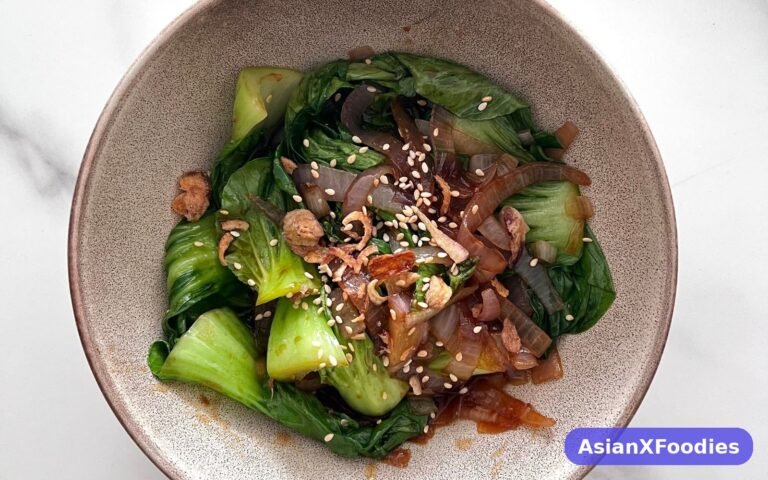
If you are building a spread of small dishes, this salad sits happily next to other light, vegetable-led sides. A cool, crisp Vietnamese cucumber salad with peanuts and lime is a lovely contrast — bright and sharp where the hijiki is dark and savoury — and the two of them together make a plate look considered rather than thrown together. A hot dish alongside works too: my stir-fried bok choy with garlic and ginger is another quick side that shares the same sesame-and-soy language, and the two of them together with rice and a simple protein make a dinner that feels like a proper meal rather than a collection of dishes.
It is also a natural fit for a bento box or a packed lunch. A small container of hijiki salad, a rice ball, a few slices of tamagoyaki or a boiled egg, and some pickled vegetables, and you have a lunch that travels well, eats well at room temperature, and looks far more impressive than the effort it took. Because the salad keeps for days in the fridge, you can make it on Sunday and pack it all week, which is exactly how it is used in Japan — it is a staple of the home cook’s weekly rotation, the kind of dish you make once and eat from for days.
For a slightly bigger occasion, I have served hijiki as part of a spread with miso-glazed eggplant with sesame seeds, which shares the same sweet-savoury language and looks beautiful next to the dark seaweed, and a creamy Japanese potato salad for something soft and cooling on the same plate. The contrast is the point — dark and light, hot and cold, crisp and creamy — and hijiki is the dish that anchors the whole spread, the one people keep going back to with their chopsticks.
How to Store Leftovers
Hijiki salad keeps beautifully in the fridge, and this is one of its best qualities. Put it in a sealed container once it has cooled to room temperature, and it will stay good for three to four days. The flavour actually improves over the first day or two, as the seaweed keeps drinking in the sauce, so the second-day version is the one I prefer — deeper, more settled, more itself. Just give it a stir before you serve it, and if it looks a little dry, a teaspoon of water or a few drops of soy sauce will bring it back.
Do not freeze it. The texture of the seaweed does not survive freezing well — it goes soft and a little bit mushy when it thaws, and the carrots lose their crunch entirely. This is a fridge dish, not a freezer dish, and three to four days is a generous window for a salad that takes thirty minutes to make. If you have made too much, the answer is to share it: a small container for a neighbour, a spoonful in a lunchbox, a little bowl next to tomorrow’s dinner. It is the kind of food that is meant to be eaten, not stored, and it will not last long once people have tasted it.
If you are taking it to a potluck or a picnic, it travels well — it is meant to be eaten at room temperature, and it does not need reheating. Pack it in a sealed container, keep it cool on the journey, and let it sit out for twenty minutes before serving so it is not fridge-cold. A fresh sprinkle of sesame seeds on top just before you put it on the table makes it look like you made it an hour ago, and nobody needs to know it was made on Sunday.
Frequently Asked Questions
Do I need to soak hijiki before cooking it?
Yes, always soak it. Dried hijiki is hard and brittle, and it will not soften properly in the simmering liquid alone — it needs a good soak in cold water first, for 20 to 30 minutes, until the strands swell up and turn soft and glossy. Soaking also loosens any grit or sand, which you then rinse away. If you skip the soak, you will end up with tough, chewy strands and a sauce that has not had time to flavour them properly, so it is worth the wait.
How long does hijiki salad keep in the fridge?
Three to four days in a sealed container, and it actually tastes better on the second day, once the flavours have had time to settle. Keep it in the coldest part of the fridge, give it a stir before serving, and if it looks a little dry, add a teaspoon of water or a few drops of soy sauce. Do not freeze it — the seaweed goes soft and the carrots lose their crunch when thawed.
Can I make this salad without dashi?
Yes, you can. Dashi gives the sauce its savoury depth, but if you do not have it, use water with a teaspoon of dashi powder, or simply use water and add an extra half tablespoon of soy sauce. The salad will still be delicious — the soy, mirin, and sesame do most of the work. A vegetarian dashi, made from kombu and dried shiitake, works beautifully too, and it is what I use when I am cooking for vegetarian friends.
Is hijiki salad served hot or cold?
It is usually served at room temperature or cold, after it has had time to rest in the fridge, and that is how I prefer it — the flavours are rounder and the texture is at its best. It is also perfectly good served warm, straight from the pan, especially on a cold evening when you want something comforting next to rice. There is no wrong temperature here, only preference, and I would encourage you to try it both ways and see which one you reach for.
What can I use instead of fried tofu?
If you cannot find aburaage, the fried tofu pouch, you can leave it out entirely and add a little more edamame, or use cubes of firm tofu that you have fried in a pan until golden. Thinly sliced shiitake mushrooms are another good substitute — they simmer in the same sauce and soak it up in a similar way. The tofu is there to add substance and to carry the sauce, so anything that does that job will work.
Can I add other vegetables to hijiki salad?
Absolutely. Thinly sliced lotus root, shredded burdock root, snow peas, green beans, and even a little finely shredded cabbage all work well. Add the firmer vegetables at the start so they have time to cook, and the delicate ones, like snow peas, in the last three minutes so they stay crisp and bright. The classic version is hijiki and carrots, but home cooks in Japan change the vegetables with the season, and so should you. Just One Cookbook has a good version of the classic hijiki salad if you want to compare notes on the traditional approach, and it is a useful reference for getting the balance of the simmering sauce right.
I make this salad more often than almost any other side dish in my kitchen, and I think that says something about it. It is not flashy, it does not photograph like a cake, and it will never be the dish people talk about when they leave your house — but it is the dish they will quietly eat all of, and then ask about, and then make at home. It is a small, dark, savoury bowl of comfort, and it has earned its place on my table. I hope it earns one on yours too.