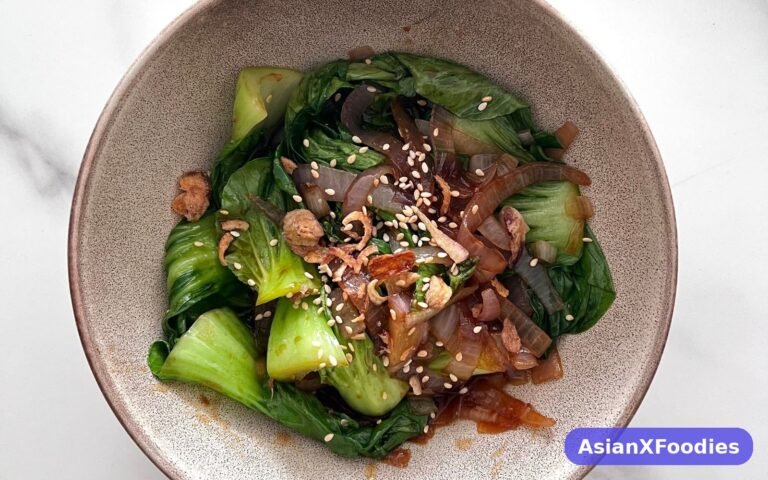
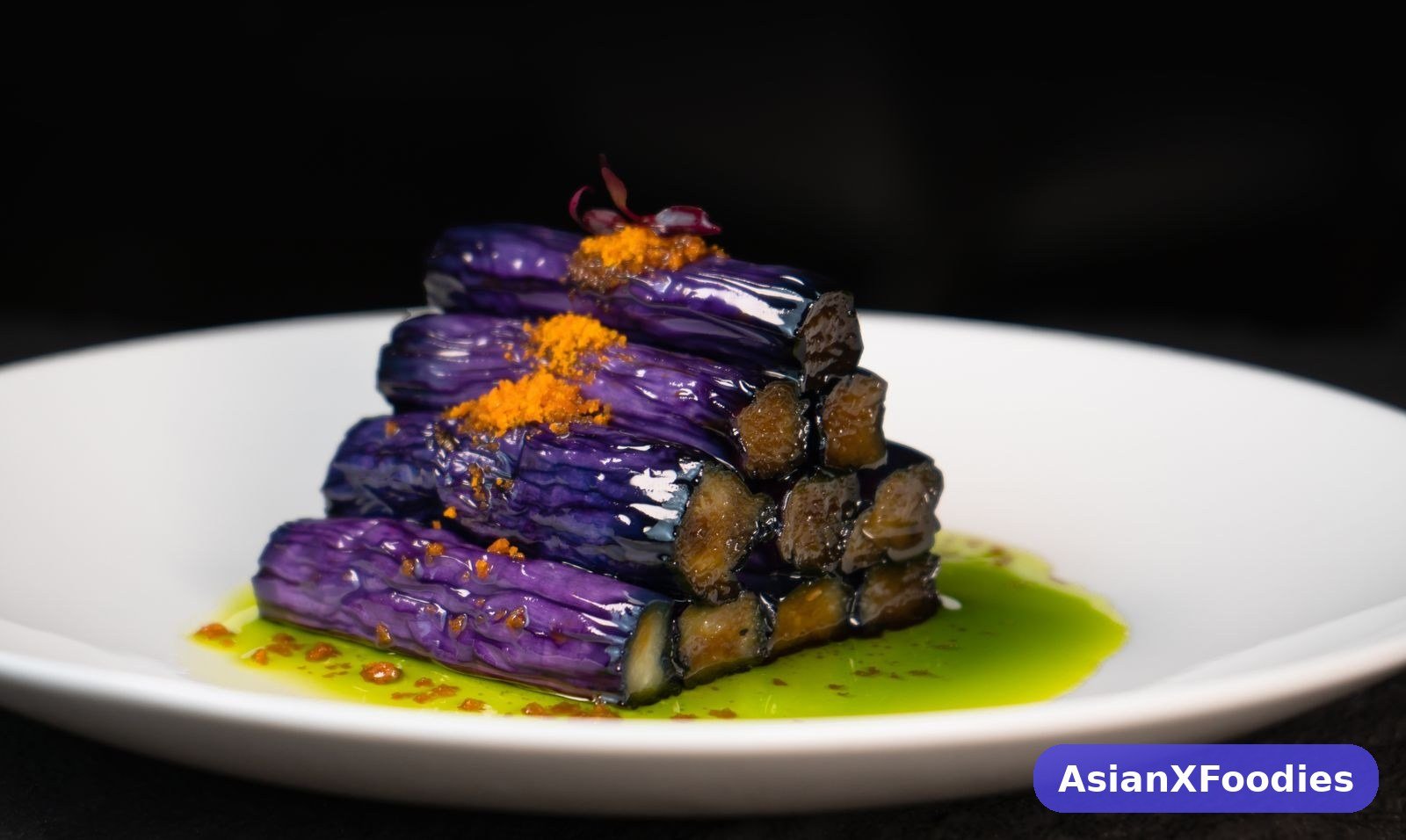
Miso Glazed Eggplant with Sesame Seeds
I did not like eggplant for most of my life. I thought it was spongy and bitter, and I avoided it whenever I could, picking it out of dishes and pushing it to the side of my plate. Then, on a trip to Japan, I ordered a small plate of nasu dengaku at a tiny restaurant in Kyoto, mostly because it was the cheapest thing on the menu and I was travelling on a budget. The waiter brought out two halves of eggplant, dark and glossy, with a sweet miso glaze that had caramelised under the grill, and a scattering of sesame seeds on top. I took one bite and I actually laughed, because it was nothing like the eggplant I thought I knew. It was silky and soft inside, almost creamy, with a sweet, savoury glaze that tasted like nothing else I had ever eaten. I ordered a second plate immediately.
When I came home, I spent weeks trying to recreate that dish, and my first attempts were not good. I used the wrong eggplant, a big globe one with thick skin and too many seeds, and it came out watery. I put the glaze on too early, and it burned before the eggplant was cooked. I used too much miso, and the dish was so salty I could barely eat it. But I kept going, because I could still taste that plate in Kyoto, and I knew it was possible. The breakthrough came when I found Japanese eggplants at my local Asian grocer, long and slender with thin skin, and I realised that the variety matters enormously. With the right eggplant, and with the glaze added only after the eggplant was already tender, everything fell into place.
This is now one of my favourite side dishes, and it is the one I make when I want to convert someone who claims they do not like eggplant. I have served it to at least half a dozen eggplant sceptics, and every single one of them has asked for the recipe. It is sweet and savoury, soft and silky, with a caramelised top that crackles slightly when you cut into it, and it takes about thirty minutes from start to finish. If you have ever been disappointed by eggplant, give this version a chance. It might change your mind the way that plate in Kyoto changed mine.
Why You’ll Love This Recipe
You will love this recipe because it is shockingly easy for how impressive it tastes. There are only a few ingredients, the glaze is three things whisked together in a bowl, and the cooking is mostly hands-off: the eggplant roasts in the oven while you get on with other things, and then it goes under the grill for three minutes to caramelise the glaze. There is no frying, no complicated technique, and no special equipment. If you can cut an eggplant in half and turn on an oven, you can make this dish.
You will also love it because it is so versatile. I serve it as a side dish with rice and grilled chicken, I eat it on its own with a bowl of steamed rice for a light lunch, and I have even served it as part of a vegetarian dinner party spread, where it sat next to tofu and noodles and was the first thing to disappear. It works hot, it works warm, and it even works at room temperature, which makes it a wonderful dish for a buffet or a picnic. And because it is vegan, it suits almost everyone at the table, which is a rare and useful thing.
And then there is the flavour, which is the real reason this dish has a place in my kitchen. Miso is one of those ingredients that does something magical to vegetables. It is salty and sweet and deeply savoury all at once, and when it caramelises under the grill, it develops a richness that is almost like toffee. The eggplant underneath becomes soft and creamy, absorbing the glaze, and the sesame seeds on top add a nutty crunch. It is a dish of contrasts: soft and crisp, sweet and salty, simple and complex, and it is far greater than the sum of its parts.
Ingredients You’ll Need
- 3 Japanese eggplants, about 500 g (1.1 lb) total
- 3 tablespoons white miso paste
- 1 tablespoon sugar
- 1 tablespoon mirin
- 1 teaspoon sake, optional
- 1 tablespoon neutral oil, such as vegetable or sunflower oil
- 1 teaspoon toasted sesame oil
- 2 teaspoons toasted white sesame seeds
- 2 spring onions, thinly sliced
- 1/2 teaspoon grated fresh ginger, optional
- 1 pinch chilli flakes, optional
- Salt, to taste
How to Make Miso Glazed Eggplant with Sesame Seeds
Start by heating your oven to 220 degrees Celsius, and line a baking tray with parchment paper, because the miso glaze will drip and caramelise on the tray, and you will be glad you did not have to scrub it afterwards. While the oven heats, prepare the eggplants. Cut off the stems, then cut each eggplant in half lengthwise, so you have six long, boat-shaped halves. Now score the cut flesh in a crisscross pattern, making shallow cuts about a centimetre apart, being careful not to cut through the skin. This scoring is not just for looks, although it does look beautiful when the glaze settles into the cuts. It also helps the eggplant cook evenly, and it gives the glaze somewhere to go, so every bite is flavoured. I use the tip of a small, sharp knife and I take my time, because a steady hand here makes a real difference to the finished dish.
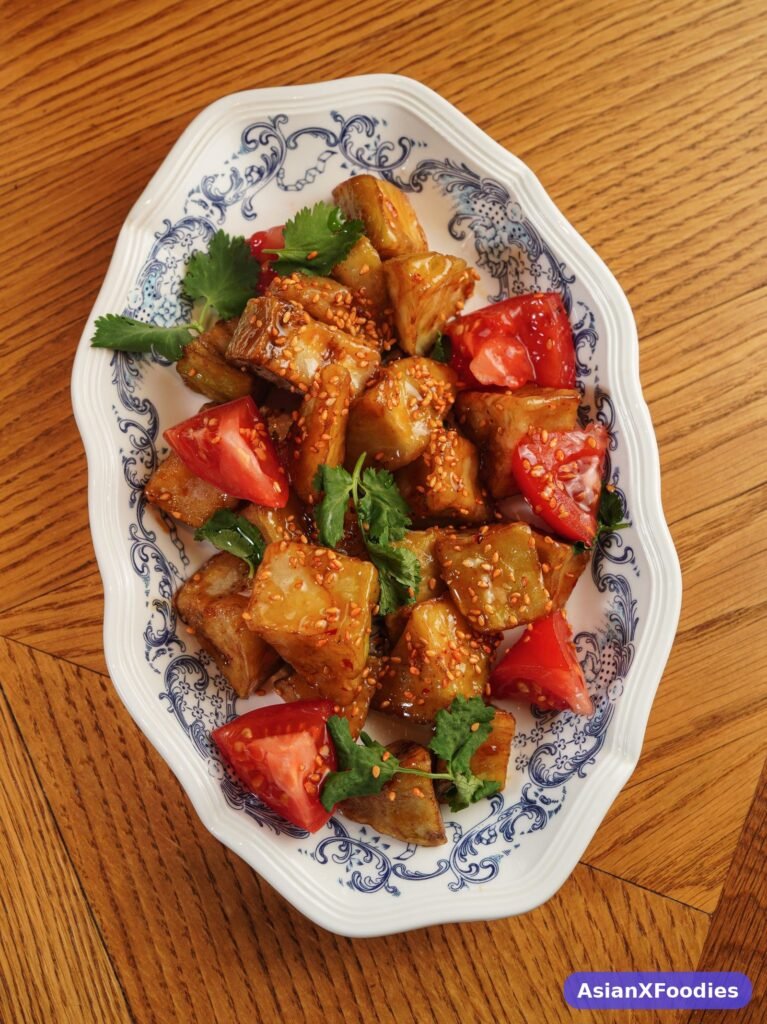
Brush the cut sides of the eggplants lightly with the neutral oil, and place them cut side down on the lined tray. This is the part that surprised me when I first learned it: you roast the eggplants cut side down first, so the flesh steams against the hot tray and becomes soft and silky, while the skin protects it from drying out. Put the tray in the hot oven and roast for fifteen minutes, until the skin has started to wrinkle slightly and the flesh feels soft when you press it gently with a fork. The eggplants will have shrunk a little, and the kitchen will start to smell faintly sweet and earthy. While they roast, make the glaze, which takes about two minutes. Put the white miso, sugar, and mirin into a small bowl, add the sake if you are using it, and whisk everything together until it is completely smooth, with no lumps of miso left. Taste it. It should be sweet and salty and deeply savoury, with a little tang from the mirin. If it tastes too salty, add a tiny bit more sugar. If it tastes too sweet, add a drop more miso. This is your glaze, and you are allowed to adjust it to your own taste.
When the eggplants have had their fifteen minutes, take the tray out of the oven and turn the eggplants over so the cut sides are facing up. They should be soft and pale, with the scored pattern clearly visible. Now brush the glaze generously over the cut flesh, making sure it gets into all the scored cuts, and spread it right to the edges. Do not be shy with the glaze. A thick, even layer is what caramelises into that beautiful, glossy top. Put the tray back in the oven, and this time, turn on the grill, or broiler, to high. Grill the eggplants for three to five minutes, watching them constantly, because the glaze goes from perfectly caramelised to burnt in about thirty seconds. You are looking for a top that is bubbling, glossy, and golden brown in places, with a few darker, almost charred spots at the edges. Those dark spots are not a mistake. They are the best part, where the sugars in the miso have caramelised and turned slightly bitter in the most delicious way.
Take the tray out of the oven and let the eggplants sit for two minutes, because the glaze is very hot and it needs a moment to settle. Then transfer the halves to a serving plate, drizzle them with the toasted sesame oil, and scatter the toasted sesame seeds and sliced spring onions over the top. If you like a little heat, add a pinch of chilli flakes. Serve them while they are still warm, when the flesh is at its silkiest and the glaze is at its glossiest. I always make this dish last, after everything else is ready, because it is at its best in the first fifteen minutes after it comes out of the oven. For a deeper look at the classic dish this recipe is based on, Just One Cookbook’s miso glazed eggplant is the version I learned the most from, and their guide to miso dengaku explains the history of the dish beautifully.
Tips for the Best Miso Glazed Eggplant
The most important tip is to use the right eggplant. Japanese eggplants, which are long, slender, and dark purple, have thin skin, very few seeds, and a sweet, creamy flesh that turns silky when roasted. Chinese eggplants are similar and work just as well. Globe eggplants, the big, round ones that are most common in Western supermarkets, have thicker skin, more seeds, and a flesh that can turn watery and bitter. You can use a globe eggplant if it is all you can find, but cut it into thick slices instead of halves, salt the slices for twenty minutes and pat them dry before roasting, and expect a slightly different texture. I have made this dish with globe eggplant and it was still good, but with Japanese eggplant it is extraordinary, and the difference is worth a trip to the Asian grocer.
The second tip is about timing the glaze. Do not put the glaze on at the beginning. Miso contains sugar, and sugar burns quickly under high heat. If you glaze the eggplant before it is cooked through, the glaze will be black and bitter long before the flesh is tender. Roast the eggplant plain first, until it is completely soft, and only then add the glaze and grill it briefly. This two-stage method is the whole secret of the dish, and it is the difference between a glossy, caramelised top and a burnt, bitter one. I watch the grill like a hawk during those last three minutes, and I have the oven light on and my hand on the oven door, because thirty seconds is all it takes.
The third tip is about the miso itself. White miso is mild, sweet, and gentle, and it is the best choice for this dish if you are making it for the first time. Red miso is stronger, saltier, and more intense, and it can easily overpower the delicate eggplant. If you only have red miso, use a little less of it and a little more sugar to balance it out. And whatever miso you use, make sure you whisk the glaze until it is completely smooth, because lumps of undissolved miso will burn under the grill while the rest of the glaze is still caramelising. A smooth glaze is a happy glaze.
Finally, do not skip the sesame seeds. They seem like a garnish, but they are not. Toasted sesame seeds add a nutty crunch that contrasts beautifully with the soft eggplant, and they add a visual warmth that makes the dish look finished. I toast my sesame seeds in a dry pan for a minute or two, shaking the pan constantly, until they are golden and fragrant, and I do this while the eggplant is roasting. Freshly toasted sesame seeds taste completely different from the ones that come straight out of the packet, and they are worth the tiny bit of effort.
Variations to Try
Once you have made the classic version, there are several variations worth trying. The simplest is to change the miso. A mixture of white and red miso gives a deeper, more complex flavour, with the sweetness of the white miso and the intensity of the red. I use two tablespoons of white miso and one tablespoon of red when I want a bolder glaze, and it is wonderful. You can also add a teaspoon of grated ginger to the glaze, which gives it a warm, spicy lift, or a squeeze of yuzu juice if you can find it, which adds a bright, citrusy note that cuts through the richness beautifully.
If you want to make this dish more substantial, add tofu. Cut a block of firm tofu into thick slices, brush it with the same miso glaze, and roast it on the same tray as the eggplant. The tofu will caramelise in exactly the same way, and it makes the dish into a proper main course rather than a side. I have served miso-glazed eggplant and tofu together with rice and a simple salad, and it was one of the most satisfying vegetarian dinners I have made. You can also try the glaze on other vegetables. Thick slices of sweet potato, rounds of courgette, and even whole mushrooms all take beautifully to a miso glaze, and they roast in the same way.
For a spicier version, stir a teaspoon of chilli paste or a pinch of dried chilli flakes into the glaze before you brush it on. The heat builds slowly and works wonderfully against the sweetness of the miso. And if you are feeling adventurous, add a tablespoon of tahini to the glaze, which makes it richer and creamier, almost like a miso caramel. I tried this on a whim one evening, and it was so good that it has become a regular variation in my kitchen. The point is that the glaze is a template, and once you understand the balance of sweet, salty, and savoury, you can adjust it to suit your own taste.
Serving Ideas
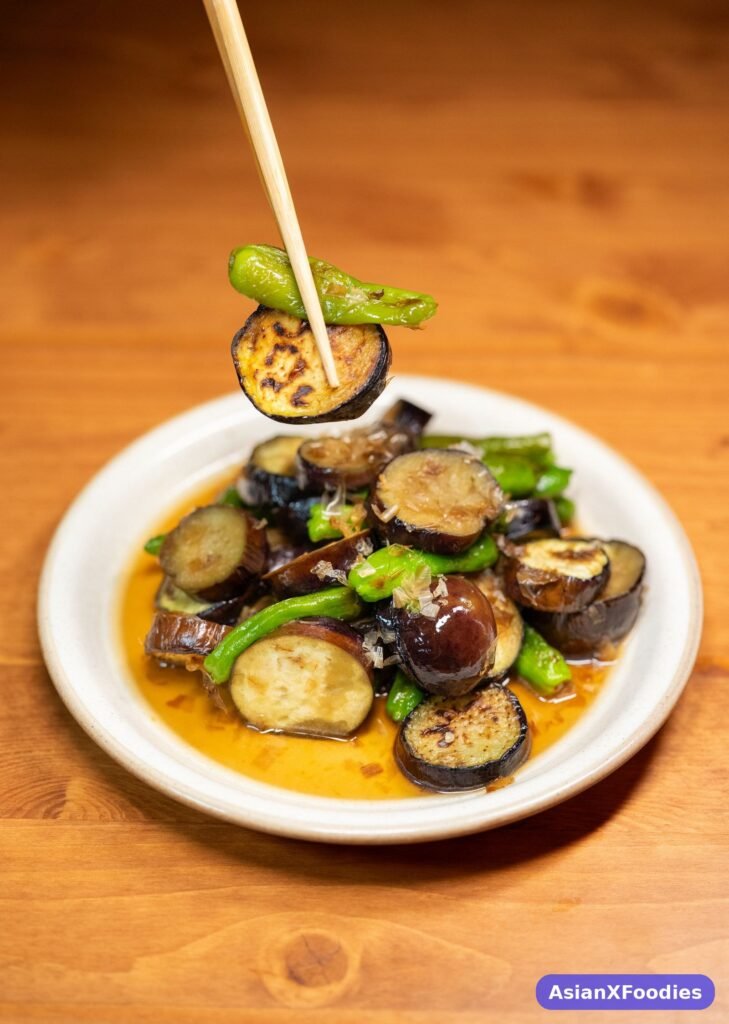
Miso glazed eggplant is a natural side dish for Japanese meals, and I serve it most often with rice and a simple protein. It is wonderful with easy Japanese teriyaki chicken without mirin, where the sweet, savoury glaze of the eggplant echoes the teriyaki sauce without repeating it. It is also lovely with simple chicken ramen, served on the side as a small plate, or even sliced and laid on top of the ramen itself, where the glaze melts into the broth.
For a vegetarian meal, I serve it with crispy Asian tofu without cornstarch and easy Japanese potato salad without cucumber, which together make a generous, satisfying dinner that feels like a proper spread rather than a collection of side dishes. I have also served the eggplant as part of a larger table of small plates, with rice, pickles, and a simple soup, in the style of a Japanese home meal, and it was the dish that people kept reaching for. And on the nights when I am eating alone, I make two halves of eggplant, a bowl of rice, and a soft-boiled egg, and I eat it sitting at the kitchen counter, which is exactly how I ate it in Kyoto, and exactly as good.
Storage and Reheating
Miso glazed eggplant is best eaten fresh, while the glaze is still glossy and the flesh is at its silkiest, but leftovers are still very good. Store any leftover eggplant in an airtight container in the fridge for up to three days. The glaze will firm up as it cools, and the eggplant will become a little denser, but the flavour will still be wonderful. I often eat leftover eggplant cold, sliced and tucked into a sandwich with a little mayonnaise, or chopped and stirred through warm rice, where the glaze melts and flavours everything.
To reheat, warm the eggplant gently in the oven at 180 degrees Celsius for about ten minutes, until it is heated through. Do not use a high heat, because the glaze will burn before the eggplant warms up. A microwave works too, if you are in a hurry, but heat it in short bursts and stop as soon as it is warm. The miso glaze itself, without the eggplant, keeps beautifully in a jar in the fridge for up to a week, and in the freezer for up to a month, so you can make a double batch of glaze and use it on other vegetables later. I do not recommend freezing the cooked eggplant, because it turns watery and mushy when it thaws, and the silky texture is lost.
Frequently Asked Questions
Why did my eggplant turn out bitter?
Bitterness in eggplant usually comes from the seeds, or from an eggplant that was not quite fresh. Japanese and Chinese eggplants are naturally less bitter than globe eggplants, because they have fewer seeds and thinner skin. If you are using a globe eggplant, salting the slices for twenty minutes and patting them dry before cooking will draw out some of the bitter compounds. Freshness matters too: an eggplant that feels heavy for its size, with shiny, taut skin, will be sweeter than one that feels light and looks dull.
Can I make this without mirin?
Yes, you can. Mirin adds sweetness and a gentle tang, but if you do not have it, you can use a teaspoon of sugar and a teaspoon of rice vinegar instead, or simply add a little extra sugar to the glaze. The flavour will be slightly different, but still delicious. If you have sake, a teaspoon of that adds depth, but it is optional, and the dish works perfectly well without it.
Why did my miso glaze burn under the grill?
Miso glaze burns quickly because it contains sugar, and the grill is very hot. The most common reason for burning is that the glaze was on the eggplant for too long, or the grill was too close to the eggplant. Keep the tray on the middle shelf, not the top one, and watch the eggplant constantly during the last three minutes. As soon as the glaze is bubbling and golden in places, take it out. It is better to under-grill slightly than to burn it, because a lightly caramelised glaze is still delicious, while a burnt one is bitter.
Can I use a different type of miso?
Yes, but the flavour will change. White miso is mild and sweet, and it is the best choice for this dish. Yellow miso is a little stronger but still works well. Red miso is much saltier and more intense, so if you use it, reduce the amount to two tablespoons and add an extra teaspoon of sugar to balance it. Whatever miso you use, taste the glaze before you brush it on, and adjust the sweetness until it tastes right to you.
Is miso glazed eggplant vegan?
Yes, this recipe as written is vegan, as long as your miso and mirin are vegan, which they almost always are. Some brands of mirin contain a small amount of alcohol, but that cooks off during grilling. If you are cooking for someone who avoids alcohol entirely, you can leave out the sake and the mirin and use sugar and rice vinegar instead. The dish is naturally plant-based, which is one of the reasons I love it.
How do I know when the eggplant is cooked through?
The eggplant is cooked when the flesh is completely soft and yields easily to a fork, and the skin has started to wrinkle. If you press the flesh gently with a fork, it should give way without resistance, almost like pressing into a ripe avocado. If it still feels firm, give it another five minutes in the oven before you add the glaze. An undercooked eggplant will be spongy and unpleasant, while a properly cooked one is silky and creamy, so it is worth taking the time to get it right.