
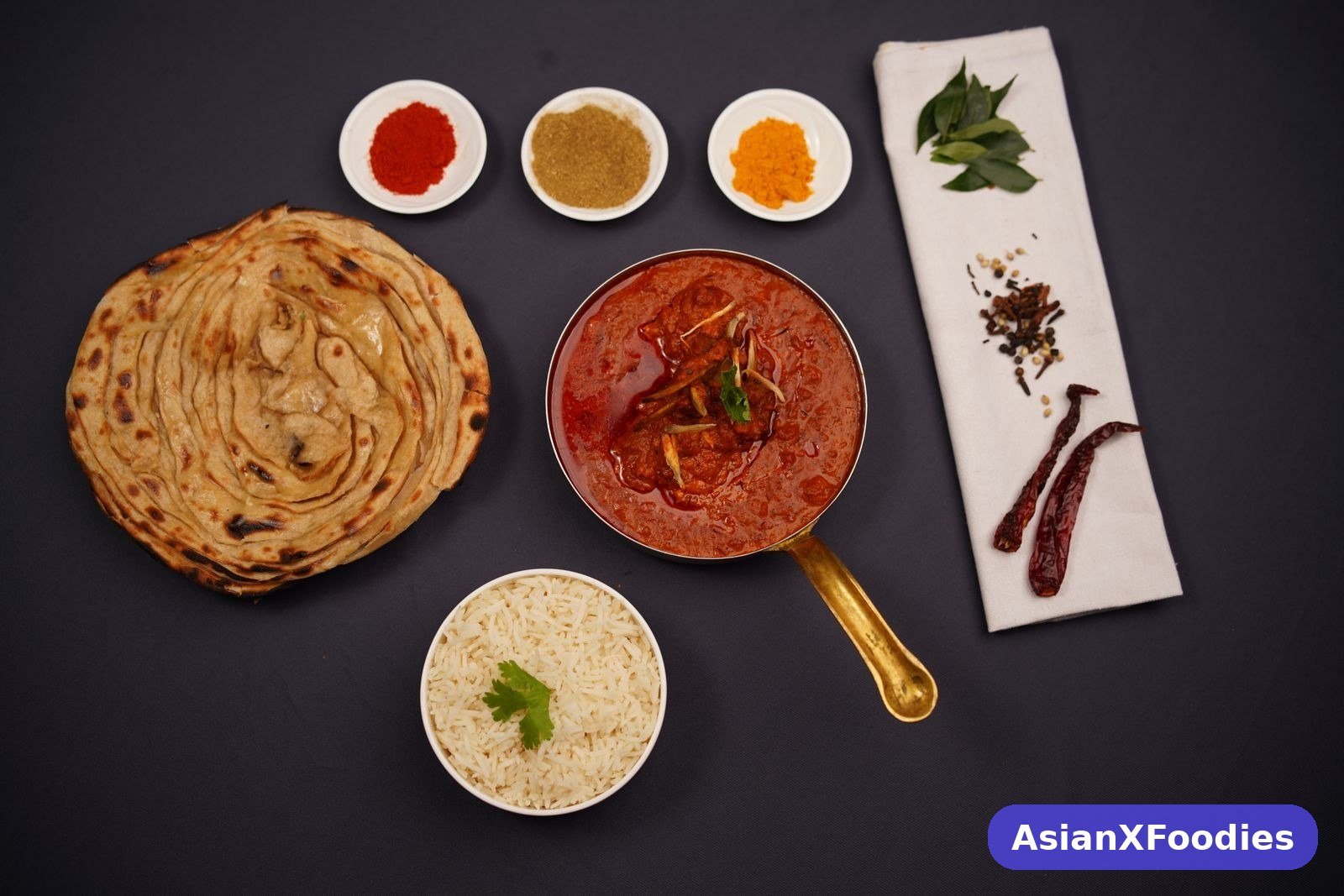
Chicken Tikka Masala with Creamy Tomato Sauce
There is a particular smell that tells me dinner is going to be good, and it is the smell of chicken tikka hitting a very hot pan — the yogurt marinade sizzling, the spices blooming, the edges of the chicken catching just enough to go dark and smoky. The first time I made chicken tikka masala from scratch, I was twenty-four, living in a flat with a kitchen the size of a cupboard, and I had invited two friends over for dinner with more confidence than skill. I had bought a jar of sauce, because that felt safe, and then at the last minute I decided that was cheating and threw the jar away — or rather, I put it in the back of the cupboard and pretended it did not exist. I made the sauce from tinned tomatoes, cream, and a handful of spices I had bought that afternoon, and I burned the first batch of chicken because I was too nervous to leave it alone. The second batch was better. The sauce was better than I expected. My friends ate two helpings each, and one of them asked for the recipe, which I did not have, because I had made it up as I went along.
I have made it properly since then, many times, and this is the version I have settled on. It is not a quick curry — it takes about an hour, most of which is marinating and simmering — but it is not a difficult one either. The work is in two parts: first you marinate the chicken in spiced yogurt and cook it until it is charred at the edges, then you make a smooth, creamy tomato sauce and simmer the chicken in it until everything comes together. Neither part is hard on its own. The magic is in putting them together, and in giving the sauce time to simmer until it tastes round and mellow instead of sharp and raw.
What I love about this dish is that it tastes like comfort. It is the curry I make on a cold evening when it is raining outside, the one I make when someone in the house is feeling unwell, the one I make when friends come over and I want them to feel looked after. The sauce is creamy without being heavy, the chicken is smoky and tender, and the spices are warm rather than hot — there is heat, but it sits in the background, the way it should. I serve it with basmati rice and warm naan, and I always make more naan than I think I will need, because someone always wants to mop up the last of the sauce.
If you have only ever had tikka masala from a takeout or a jar, making it from scratch will surprise you. The sauce tastes fresher, the chicken tastes more like chicken, and you can control the salt, the sweetness, and the heat exactly the way you like them. My version uses a little sugar to balance the tomatoes, a little butter for richness, and cream at the end rather than at the beginning, so it stays silky instead of splitting. It is the recipe I reach for when I want to cook something that feels like an occasion without actually being an occasion.
Why You’ll Love This Recipe
The chicken is the first reason. It is marinated in yogurt, lemon, garlic, ginger, and spices, and then cooked at high heat until the edges char and the outside goes slightly crisp while the inside stays juicy. That char is not a mistake — it is the flavour. It is what separates a good tikka masala from a curry where the chicken was just simmered in sauce from the start and never had a chance to develop any character of its own. I cook the chicken under the grill or in a very hot oven, and I do not crowd the tray, because crowded chicken steams and steamed chicken does not char. The difference is obvious the moment you taste it.
The sauce is the second reason. It starts with onion, garlic, and ginger cooked slowly in butter until they are soft and sweet, then tomatoes and spices, then a long, gentle simmer until it is thick and rich. I blend it smooth, because a silky sauce is part of the pleasure of this dish, and then I add cream at the end, off the heat, so it stays smooth and glossy. The result is a sauce that coats the back of a spoon, that is a deep orange-red colour, and that tastes like it has been cooking for hours even though it has only been an hour. I have had people ask me what my secret ingredient is, and the answer is time — not a lot of time, just enough for the tomatoes to lose their sharpness and the spices to mellow.
It is also a forgiving recipe, which is more important than it sounds. If your tomatoes are very sharp, a little more sugar fixes it. If the sauce is too thick, a splash of water loosens it. If it is too thin, simmer it for five more minutes. If you do not have a blender, you can use a stick blender, or you can leave the sauce a little chunky — it will still taste wonderful, just more rustic. I have made this with tinned tomatoes, with fresh tomatoes, with passata, and with a mixture of all three, and it has worked every time. The recipe is a framework, not a prison.
Finally, it feeds people well. This recipe serves four generously, and it doubles easily for a crowd. The leftovers are, if anything, better the next day, because the sauce soaks into the chicken overnight and the flavours settle. I often make a double batch on a Sunday, eat half for dinner, and keep the rest for Monday lunch, when it tastes like I cooked it fresh. It freezes well too, which makes it one of the most useful recipes I own.
Ingredients You’ll Need
- 700g boneless, skinless chicken thighs, cut into large chunks
- 150g full-fat natural yogurt
- 2 tablespoons lemon juice
- 4 cloves garlic, finely grated
- 1 tablespoon fresh ginger, finely grated
- 2 teaspoons garam masala
- 1 teaspoon ground cumin
- 1 teaspoon ground coriander
- 1 teaspoon sweet paprika
- 1/2 teaspoon turmeric
- 1/2 teaspoon chilli powder
- 1 teaspoon salt
- 50g butter
- 1 large onion, finely chopped
- 4 cloves garlic, finely chopped, for the sauce
- 1 tablespoon fresh ginger, finely grated, for the sauce
- 1 green chilli, finely chopped, seeds removed for less heat
- 2 teaspoons garam masala, for the sauce
- 1 teaspoon ground cumin, for the sauce
- 1 teaspoon ground coriander, for the sauce
- 1 teaspoon sweet paprika, for the sauce
- 400g tin chopped tomatoes
- 2 tablespoons tomato puree
- 1 tablespoon sugar
- 150ml double cream
- 100ml water or chicken stock
- Fresh coriander leaves, to serve
- Basmati rice and naan bread, to serve
How to Make Chicken Tikka Masala with Creamy Tomato Sauce
Start with the marinade, because the chicken needs at least thirty minutes in it, and an hour is better. Put the yogurt in a large bowl — full-fat yogurt, not low-fat, because low-fat yogurt splits when it hits the heat and makes the marinade watery — and add the lemon juice, garlic, ginger, garam masala, cumin, coriander, paprika, turmeric, chilli powder, and salt. Stir it until it is a uniform pale orange colour and smells warm and fragrant. Add the chicken chunks and mix with your hands until every piece is coated. I use my hands for this, because a spoon does not get into all the folds, and because you can feel whether the coating is even. Cover the bowl with cling film and put it in the fridge for at least thirty minutes, or up to overnight. Overnight is better — the yogurt tenderises the chicken and the spices sink in deeper — but thirty minutes is enough for a weeknight, and I have done it that way many times. If you are in a real hurry, even fifteen minutes makes a difference.
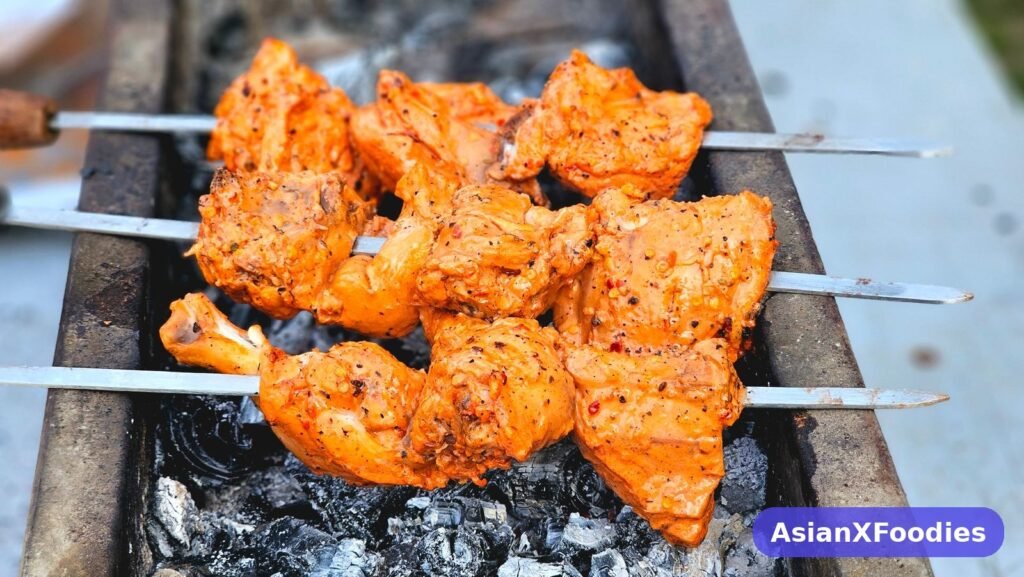
While the chicken marinates, you can get on with the rice, or you can just sit down for a few minutes, which is what I usually do. There is no rush at this stage, and the marinating is doing the work for you. When the chicken has had its time, heat the grill to its highest setting, or heat the oven to 240°C. Line a baking tray with foil — this will save you a lot of scrubbing later, because the yogurt marinade burns onto trays with real enthusiasm — and put a wire rack on top if you have one. The rack lets the heat circulate underneath the chicken, which helps it char on all sides. Lay the chicken pieces out on the rack in a single layer, leaving a little space between them, and shake off any excess marinade as you go. Too much marinade on the chicken will drip and burn and smoke, and your kitchen will smell like a bonfire for the rest of the evening.
Grill the chicken for about twelve to fifteen minutes, turning once halfway through, until it is cooked through and charred in places — dark brown, almost black at the edges, but not burnt all over. The char is the point. I check a thick piece by cutting it open: it should be white all the way through, with clear juices, and the outside should have those dark, smoky spots. If you are using the oven, the same timing applies, though you may need a minute or two longer. Set the cooked chicken aside on a plate while you make the sauce, and do not worry if it cools a little — it is about to go into a hot sauce and simmer, which will warm it through again. Pour any juices from the tray into a small bowl and keep them, because they are full of flavour and they belong in the sauce.
Melt the butter in a large, heavy pan over medium heat. I use a deep frying pan or a wide saucepan, something with enough room for the sauce and the chicken together later. Add the chopped onion and a pinch of salt, and cook it slowly for about eight minutes, stirring now and then, until it is soft, sweet, and turning golden at the edges. Do not rush this step. Onion that is properly softened gives the sauce its sweetness and its body, and onion that is still raw and sharp gives the sauce a harsh edge that no amount of cream will fix. I have made this mistake, in a hurry, and I could taste it in the finished dish. Eight minutes feels long when you are standing at the stove, but it is worth it.
Add the garlic, ginger, and green chilli, and cook for another minute until fragrant. Then add the garam masala, cumin, coriander, and paprika, and stir for thirty seconds. The spices will smell warm and toasty, and they will darken slightly — that is the blooming stage, where the spices release their flavour into the butter, and it is one of the most important moments in the whole recipe. Do not let them burn. If the pan looks dry, add a splash of water. Then add the chopped tomatoes, the tomato puree, the sugar, and the water or stock, along with the reserved chicken juices from the tray. Stir everything together, bring it to a gentle simmer, and let it cook for fifteen minutes, stirring now and then, until it is thick, dark, and rich. The sauce will reduce a little, the oil will start to separate at the edges, and the raw tomato smell will be gone, replaced by something deeper and sweeter. Taste it. It should be tangy and warm, with the sugar just balancing the tomatoes. Add a pinch more sugar or salt if it needs it.
Take the pan off the heat and blend the sauce until it is smooth. I use a stick blender, holding it right down in the pan and moving it slowly, because it is less washing up than a jug blender and there is less risk of hot sauce exploding across the kitchen. If you use a jug blender, let the sauce cool for five minutes first, blend it in batches, and hold the lid down with a folded tea towel — hot liquid in a blender is one of those things that can go wrong very quickly. Return the smooth sauce to the pan over low heat, add the chicken pieces, and simmer gently for ten minutes, until the chicken is hot through and the sauce has thickened enough to coat it. Take the pan off the heat and stir in the cream, a little at a time, until the sauce turns a soft, creamy orange. Do not boil the sauce after adding the cream, or it may split. Taste it one last time and adjust the salt. Serve it in a warm bowl, scattered with fresh coriander, with basmati rice and warm naan alongside.
If you enjoy curries where the chicken is cooked first and the sauce is built separately, my simple Thai chicken curry without coconut milk follows a similar rhythm with completely different flavours. And if you love the smoky, yogurt-marinated chicken itself, the air fryer tandoori chicken with yogurt marinade is the version I make when I want the tikka on its own, without the sauce.
Tips for the Best Chicken Tikka Masala
Use full-fat yogurt for the marinade, and use chicken thighs, not breast, if you can. Thighs stay juicy under the grill and in the sauce, and they have a flavour that breast meat does not. Breast works — I have made it with breast when that is what I had — but it dries out more easily, and you need to be careful not to overcook it. If you use breast, cut the pieces a little larger and grill them for a minute less. The marinade helps, but it cannot completely save a piece of breast that has been grilled for too long.
Cook the onion properly. I have said this already, and I will say it again, because it is the step that most often gets rushed. Eight minutes on medium heat, stirring now and then, until the onion is soft and golden. If the onion is still white and crunchy when you add the tomatoes, the sauce will taste raw no matter how long you simmer it. I set a timer for this now, because I know I am tempted to move on after three minutes when the onion looks done. It is not done. Give it the full eight minutes.
Blend the sauce smooth. A silky sauce is part of what makes tikka masala feel luxurious, and it is the difference between a homemade curry that tastes homemade and one that tastes like a restaurant dish. If you do not have a blender, a stick blender is cheap and worth owning for exactly this kind of recipe. If you have neither, you can push the sauce through a sieve, which is slow but effective, or you can leave it chunky and call it rustic. I have done all three, and the blended version is the one I come back to.
Add the cream off the heat, and do not boil the sauce afterwards. Cream splits when it boils, and split sauce looks curdled and tastes grainy. Stir it in gently, off the heat, and let the residual heat of the sauce warm it through. If you want the sauce richer, add a little more butter along with the cream — a knob of butter stirred in at the end gives it a gloss and a roundness that cream alone does not. This is a small restaurant trick, and it works.
Variations to Try
For a milder version, leave out the green chilli and use only a quarter teaspoon of chilli powder. The dish will still be warm and fragrant, and the cream will make it feel gentle. My children eat it this way, and they ask for seconds, which is the only review that matters. For a hotter version, keep the seeds in the green chilli and add half a teaspoon more chilli powder to the sauce. The heat will build slowly, which is nicer than a sharp, sudden burn.
You can make this with paneer instead of chicken, for a vegetarian version. Cut the paneer into cubes, marinate it the same way, and grill it for about eight minutes until the edges are golden. Add it to the sauce and simmer for five minutes. It is rich and satisfying, and it soaks up the sauce in the best way. I have made this for a vegetarian friend, and she said it was the best paneer dish she had eaten at home, which made my evening.
For a lighter version, use half the cream and replace the rest with a little more stock, or use a lighter cream. The sauce will be less rich, but it will still be creamy and flavourful. You can also use coconut cream instead of double cream, which gives the sauce a slightly different, sweeter flavour — it is not traditional, but it is delicious, and it works well if you are avoiding dairy cream. For a dairy-free version, use coconut yogurt in the marinade and coconut cream in the sauce, and replace the butter with oil. The flavour will be a little different, but the structure of the dish is the same.
If you want to turn this into a fuller meal, serve it with a one-pan chicken biryani with fragrant spices on the side for a feast, or keep it simple with rice and naan. I sometimes add a side of roasted cauliflower or a simple cucumber raita, which is just yogurt, grated cucumber, and a pinch of salt, and which cools the palate between bites. A squeeze of lemon over the finished dish, just before serving, brightens everything up — I do this almost every time, and I forget to write it down almost every time, so here it is in writing: lemon, at the end, always.
Serving Ideas
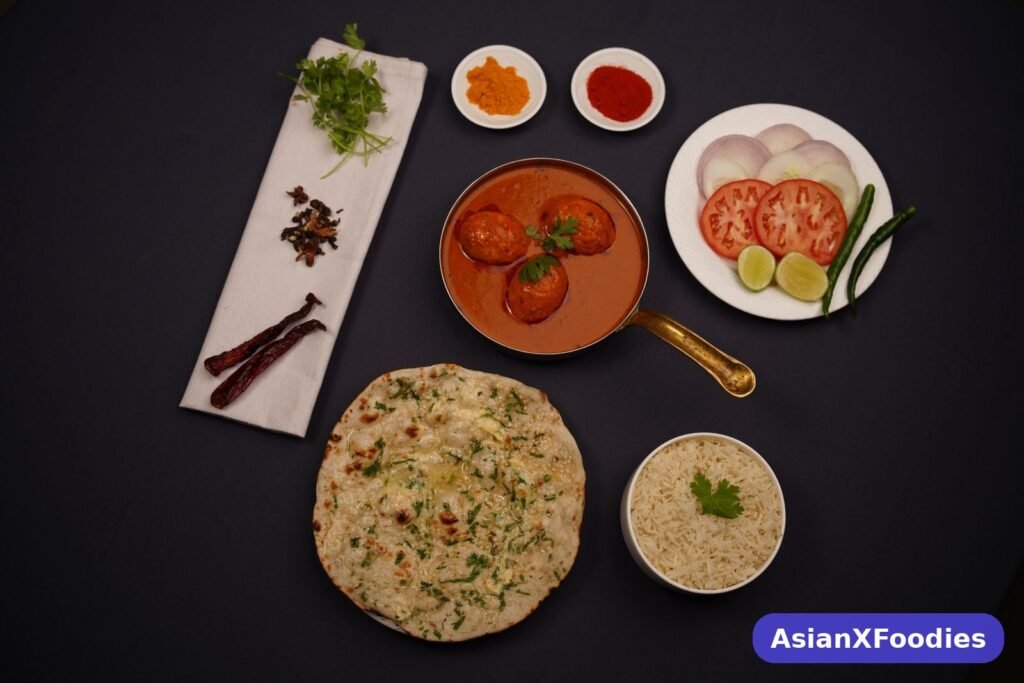
Basmati rice is the classic partner, and I cook it the way my friend taught me — rinsed until the water runs clear, soaked for twenty minutes, then cooked with a cinnamon stick and a few cardamom pods in the water, which makes the whole kitchen smell wonderful. Warm naan is the other essential, because you need something to mop up the sauce, and because tearing a piece of naan and scooping up chicken and sauce is one of the great pleasures of eating. I buy naan from the bakery near my house when I can, and I warm it in a dry pan or under the grill for a minute, brushing it with a little melted butter and a sprinkle of chopped coriander if I am feeling fancy.
For a fuller table, I add a simple salad — sliced cucumber, red onion, and tomato, with lemon juice and salt — which is fresh and sharp against the richness of the curry. A bowl of raita, made with yogurt, grated cucumber, and a pinch of cumin, is cooling and takes two minutes. If I am feeding a crowd, I put out a big pot of rice, a stack of naan, the tikka masala in a serving bowl, and a couple of sides, and let everyone help themselves. It feels generous, and it is, without being a lot of extra work.
For drinks, I usually serve water with lemon, or a lassi if I have yogurt to spare — a sweet mango lassi is lovely with this, and it cools the heat. A cold lager works too, and it is what I reach for on a Friday night. I serve the curry in a warm bowl, with the rice in a separate bowl, and I scatter fresh coriander over the top at the last minute, because coriander that has been sitting in hot sauce for ten minutes turns dark and sad, while fresh coriander stays bright and green.
Storage and Reheating
Leftovers keep in the fridge for up to three days in a sealed container, and they taste better the next day, because the sauce soaks into the chicken overnight and the spices settle. I actually prefer the second-day version, and I have said this to people who thought I was joking. I was not joking. The sauce thickens slightly in the fridge, the flavours deepen, and the chicken becomes even more tender. If you are making this for a dinner party, you can make it the day before and reheat it gently, and nobody will know.
To reheat, warm it in a pan over low heat, stirring now and then, until it is hot through. Add a splash of water or stock if the sauce has thickened too much. Do not boil it hard, or the cream may split. A microwave works too — heat in one-minute bursts, stirring in between — but the pan is gentler and gives you more control. I reheat the rice separately, and I warm fresh naan to go with it, so the meal feels fresh even though the curry is from yesterday.
This dish freezes well, which makes it a good batch-cooking recipe. Freeze the curry, without the cream if you can, in portions for up to three months. I freeze it in flat bags, labelled with the date, because flat bags defrost faster and stack neatly in the freezer. Defrost overnight in the fridge, reheat gently, and stir in a splash of fresh cream at the end. It will taste almost as good as fresh, and it is a wonderful thing to have in the freezer on a night when you do not feel like cooking.
Frequently Asked Questions
Can I make chicken tikka masala without a grill?
Yes, you can. A very hot oven works well — heat it to 240°C, put the chicken on a wire rack over a foil-lined tray, and cook for fifteen minutes, turning once. A cast-iron pan on the stove works too: heat it until it is smoking, add a little oil, and sear the chicken in batches for three minutes on each side. An air fryer also works — cook at 200°C for twelve minutes, turning halfway. The grill gives you the best char, but any of these methods will give you good, smoky chicken. My air fryer tandoori chicken with yogurt marinade uses the air fryer method, and it works beautifully.
Why did my sauce split or turn grainy?
This usually happens when the cream is added while the sauce is boiling, or when low-fat yogurt is used in the marinade and it splits in the heat. Always add the cream off the heat, and never boil the sauce after the cream goes in. Use full-fat yogurt and full-fat cream, because fat is what keeps the sauce smooth. If the sauce does split, take it off the heat immediately and whisk in a tablespoon of cold cream — sometimes that brings it back together. If it does not, blend it again with a stick blender, which can smooth it out.
Can I make the sauce ahead of time?
Yes, and it is a good idea. The sauce, without the chicken and cream, keeps in the fridge for up to three days, and it freezes well for up to three months. Make the sauce, cool it, and store it. When you are ready to eat, grill the chicken, reheat the sauce, add the chicken, simmer for ten minutes, and stir in the cream at the end. This is how I cook for dinner parties — the sauce is done the day before, and the last part takes twenty minutes. If you want a second curry to compare methods with, the BBC Good Food chicken tikka masala is a reliable version, and RecipeTin Eats has a detailed chicken tikka masala guide with clear photos of the sauce stage.
Is chicken tikka masala very spicy?
Not in this version. The chilli powder and green chilli give it warmth, but the cream and the sugar soften the heat, so it is warm rather than fiery. Most people who say they do not like spicy food eat this happily. If you want it milder, leave out the green chilli and reduce the chilli powder to a quarter teaspoon. If you want it hotter, keep the seeds in the chilli and add a little more chilli powder. The heat is easy to adjust, and I would rather you adjust it to your taste than follow my numbers exactly.
Can I use chicken breast instead of thighs?
Yes, you can, though thighs are juicier and more forgiving. If you use breast, cut it into larger chunks, marinate it for at least an hour, and grill it for a minute or two less, checking that it is cooked through but still moist. Do not let it sit in the sauce simmering for longer than ten minutes, because breast dries out faster than thigh in a hot sauce. If you are worried about dryness, take a piece out and cut it open — it should be white all the way through, with clear juices, and still tender.
What should I serve with chicken tikka masala?
Basmati rice and warm naan are the essentials, and they are the ones I serve every time. A simple cucumber salad, a bowl of raita, and a squeeze of lemon over the finished dish all work well. If you want a lighter meal, serve it with a green salad and skip the naan, though I would not recommend skipping the naan — mopping up the sauce is half the pleasure. For a comforting soup starter on a cold evening, my homemade Chinese chicken soup with noodles is a gentle way to begin, though I usually serve the tikka masala on its own and let it be the star.


2 Comments