
General Tso’s Chicken with Sticky Sauce
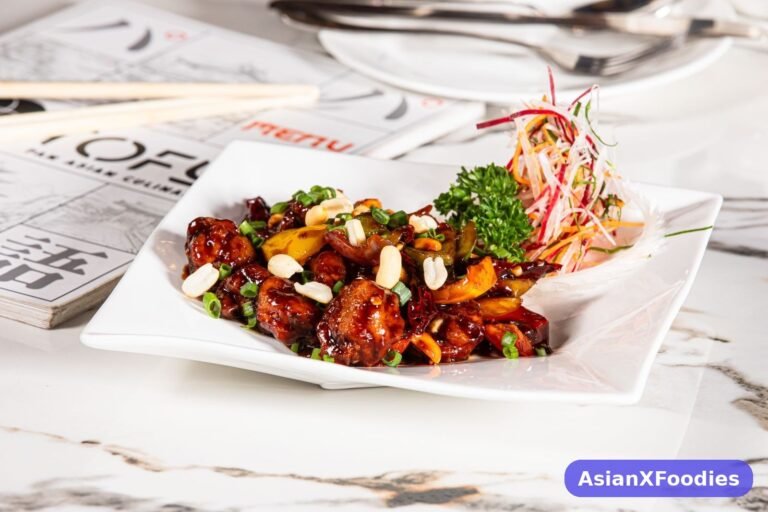
The first time I made General Tso’s chicken at home, I was standing in my kitchen at about seven in the evening, phone propped against the spice jars, takeout menu still stuck to the fridge with a magnet shaped like a chilli. I had ordered this dish so many times that I could picture it before it arrived — the little white carton, the glossy dark sauce, the chicken that was somehow both crisp and sticky at the same time, and the spring onions scattered on top like an afterthought. That night I decided I was done paying for it. I had chicken thighs in the fridge, a bottle of soy sauce that was getting low, and a stubborn feeling that I could do better than the soggy version that had shown up the week before, the one where the coating had gone soft by the time the driver reached my door.
It was not perfect the first time. I will be honest about that. The sauce was a little too sweet, the chicken was a little too pale, and I had forgotten the dried chillies entirely until I was already plating up. But even then, eating it straight from the pan with a fork while it was still too hot, I knew I was onto something. The chicken itself was juicy, the sauce clung to it the way a good sauce should, and the whole thing tasted fresher than anything that had spent twenty minutes in a delivery bag. I have made it maybe thirty times since then, and this is the version I keep coming back to — the one my sister asks for when she visits, the one I make on Friday nights when the week has been long and nobody wants to think too hard about dinner.
What makes this recipe work is not one clever trick. It is a handful of small decisions that add up. The chicken is cut small enough to cook fast and stay juicy. The coating is light, just cornstarch and a little flour, so it fries up crisp instead of turning into a heavy batter jacket. The sauce is balanced while it is still in the bowl — sweet, salty, tangy, and hot — instead of hoping it will somehow sort itself out in the pan. And the whole thing comes together in one wok, in about forty minutes, which means it is genuinely doable on a weeknight, not one of those recipes that promises thirty minutes and quietly takes you an hour and a half.
If you have never deep-fried anything at home, do not let that put you off. You are not filling a pot to the brim with oil. You need about an inch in a wok or a deep frying pan, and a thermometer helps but is not essential — I will tell you how to test the oil with a pinch of cornstarch if you do not own one. The chicken fries in two quick batches, the sauce takes about two minutes, and then you toss everything together and it is done. Serve it over plain steamed rice, the way the takeout places do, and let the sauce drip down into the rice. That part is not optional in my house. The rice at the bottom of the bowl, soaked in sticky sauce, is the best bite of the whole meal.
Why You’ll Love This Recipe
The first reason is the texture, and I am not exaggerating when I say it is the whole point of this dish. The chicken comes out of the oil golden and craggy, the kind of crisp that you can hear when you bite into it, and then the sauce wraps around every piece without turning it to mush. That only happens if you toss the chicken in the sauce right at the end and serve it straight away, which is exactly what this recipe tells you to do. I have eaten too many versions where the chicken sat in sauce for ten minutes while someone set the table, and by the time it reached the plate it was soft and sad. Not here. Here the crunch survives the journey from pan to bowl, and the sauce stays glossy instead of pooling at the bottom.
The second reason is that the sauce actually tastes like something. A lot of takeout General Tso’s is just sweet — one flat note of sugar with a bit of soy in the background. This one has layers. There is sweetness from the sugar and hoisin, saltiness from the soy, tang from the rice vinegar, warmth from the ginger and garlic, and a slow heat from the dried chillies and chilli flakes that builds as you eat instead of hitting you all at once. My husband, who is usually the first to reach for the chilli oil, says this version does not need anything added to it. My mother, who finds most spicy food too much, eats it happily because the heat is warm rather than sharp. That balance is the reason I wrote the sauce measurements down the way I did, and the reason I suggest tasting it before it goes in the pan.
It is also a forgiving recipe, which matters more than people admit. If your chicken pieces are a bit uneven, they will still cook. If you only have chicken breast instead of thighs, it will still work, though I will tell you how to keep it from drying out. If you do not have hoisin sauce, there is a workaround in the variations section. And if you are cooking for kids, you can leave the chillies out of the sauce and let the grown-ups add chilli flakes at the table. I have done all of these things on different nights, sometimes in the same week, and dinner still turned out well. That is the kind of recipe you actually keep, not the kind you make once for a photo and never touch again.
Finally, it is fast in the way that matters. The active cooking time is about twenty minutes. The rest is cutting chicken and mixing a sauce, which you can do while the rice is cooking. I often start the rice first, then do all the prep while it steams, and by the time the rice cooker clicks off, dinner is about five minutes away. On the nights when I am tired and tempted to order in, that timing is what saves me — I remind myself that the food would take longer to arrive than it takes to cook this, and it would cost three times as much.
Ingredients You’ll Need
- 700g boneless, skinless chicken thighs, cut into bite-sized pieces about 3cm across
- 1 large egg white, lightly beaten
- 2 tablespoons light soy sauce
- 1 tablespoon Shaoxing wine or dry sherry
- 60g cornstarch, plus 2 extra tablespoons for dusting
- 30g plain flour
- 1 teaspoon baking powder
- 1/2 teaspoon white pepper
- Vegetable oil, for frying — about 500ml
- 3 tablespoons light soy sauce, for the sauce
- 2 tablespoons hoisin sauce
- 2 tablespoons rice vinegar
- 3 tablespoons sugar
- 1 tablespoon tomato paste
- 1 teaspoon sesame oil
- 1 tablespoon cornstarch mixed with 2 tablespoons cold water, for the sauce
- 4 cloves garlic, finely minced
- 1 tablespoon fresh ginger, finely grated
- 6 dried red chillies, snipped in half with the seeds shaken out
- 1/2 teaspoon dried chilli flakes
- 4 spring onions, cut into 3cm pieces, green and white parts separated
- 1 teaspoon toasted sesame seeds, to serve
- Steamed jasmine rice, to serve
How to Make General Tso’s Chicken with Sticky Sauce
Start with the rice, because everything else moves quickly once the frying starts and you do not want to be standing at the stove wondering whether the rice will be ready. I rinse two cups of jasmine rice until the water runs mostly clear — usually three rinses, swirling it around with my hand — then cook it the way I always do, one part rice to one and a quarter parts water, lid on, lowest heat, fifteen minutes, then ten minutes resting without lifting the lid. While the rice is doing its thing, I cut the chicken. Thighs are my choice here because they stay juicy even if you fry them a minute too long, and because they have a bit of flavour that breast meat just does not have. I trim off any big pieces of fat, then cut each thigh into pieces about the size of a walnut half — big enough to stay juicy, small enough to cook through in three minutes. If a piece looks much bigger than the rest, I cut it again. Uneven pieces are the reason one bit is perfect and the next is still pink in the middle, and it takes ten seconds to fix.

Put the chicken in a bowl with the egg white, two tablespoons of soy sauce, and the Shaoxing wine, and mix it with your hands until every piece is coated. Let it sit for ten minutes while you mix the sauce. That short marinade does more than flavour the chicken — the egg white helps the coating stick, and the soy seasons the meat all the way through instead of just on the outside. While it sits, whisk together the sauce ingredients in a small bowl or jug: three tablespoons of soy sauce, the hoisin, rice vinegar, sugar, tomato paste, and sesame oil. Stir until the sugar has mostly dissolved and the tomato paste is blended in. Taste it with a fingertip. It should be sweet first, then salty, then tangy, with the vinegar right at the end. If it tastes flat, add a splash more vinegar. If it tastes too sharp, add a pinch more sugar. I always taste the sauce at this stage, because once it hits the hot wok there is no fixing it. In a separate tiny bowl, stir the tablespoon of cornstarch with two tablespoons of cold water until smooth, and set it next to the stove. You will need it in a hurry later, and hunting for the cornstarch tin with a wok smoking behind you is not a good time.
Now the coating. Sprinkle the sixty grams of cornstarch, the flour, the baking powder, and the white pepper over the marinated chicken, and toss everything together with your hands until each piece is evenly dusted and looks dry and slightly powdery. The mixture will look like too much at first, then it will settle onto the chicken as you toss. What you want is a thin, even coat — not clumps, not bare patches. If you see wet spots, sprinkle a little more cornstarch over them. Leave the coated chicken for five minutes. In that time the coating hydrates slightly and sticks better, which means less of it falls off in the oil. This is the step I used to skip, and the chicken used to shed its coating in the pan. Five minutes makes all the difference.
Heat the oil in a wok or a deep, heavy frying pan over medium-high heat until it reaches about 180°C. If you have a thermometer, use it. If you do not, drop a pinch of cornstarch into the oil — it should sizzle hard immediately and turn golden in a few seconds. If it just sits there, the oil is too cool, and the chicken will absorb oil and turn greasy. If it burns instantly, turn the heat down and wait a minute. Fry the chicken in two batches, because crowding the pan drops the oil temperature and gives you steamed chicken instead of crisp chicken. Lay the pieces in one at a time, leaving a little space between them, and do not touch them for the first minute. They will stick to each other and to the pan if you poke them too early. After about three minutes, when the coating is golden and crisp, lift them out with a slotted spoon or spider strainer and drain them on a wire rack over a tray, not on paper towels — paper towels trap steam underneath and soften the bottom. Season the hot chicken with a tiny pinch of salt while it is still on the rack. Repeat with the second batch, letting the oil come back up to temperature in between, which takes about a minute.
Pour out all but a tablespoon of the oil, keeping the wok on medium-high heat. Add the dried chillies and chilli flakes and stir them for about twenty seconds, just until they darken slightly and smell warm and toasty. You will know the smell — it fills the kitchen in the best way. Add the garlic, ginger, and the white parts of the spring onions, and stir for another thirty seconds until the garlic is fragrant but not brown. Garlic goes from perfect to burnt in about ten seconds, so keep the spoon moving and do not walk away. Pour in the sauce mixture and let it bubble for about a minute, stirring, until it darkens slightly and starts to thicken on its own. Give the cornstarch slurry a quick stir — it settles fast — and pour it in while stirring. The sauce will turn glossy and thick almost immediately, coating the back of a spoon. That is the moment to add the chicken back in, along with the green parts of the spring onions. Toss everything together for thirty seconds, just long enough for every piece to get coated, then take the wok off the heat. Serve immediately over steamed rice, sprinkled with sesame seeds. If you wait, the coating softens. I plate it the second the tossing is done, and I bring the wok to the table if I am feeling casual, which I usually am.
This is one of those dishes that tastes even better the way it looks — the dark glossy sauce against the white rice, the green spring onions, the red chillies peeking out. If you like the kind of cooking where the sauce matters as much as the meat, you will enjoy the version of sweet and sour I make on the same principle, homemade sweet and sour chicken without deep frying, which uses a lighter coating and a sharper sauce. And if you want a second crispy chicken to compare it with, my crispy Asian chicken wings in the air fryer are the ones I make when I do not feel like frying at all.
Tips for the Best General Tso’s Chicken
The single biggest tip is to fry in batches and to let the oil recover between them. I know it is tempting to tip all the chicken in at once, especially when you are hungry, but a crowded pan is the difference between crisp chicken and pale, oily chicken. Two batches take six minutes. One crowded batch takes longer and tastes worse. While the first batch drains, the oil comes back up to temperature on its own, and you can use that minute to wipe up the counter or get the rice bowls out. It is not wasted time.
Dry chicken fries better than wet chicken. Before you add the marinade, pat the thigh pieces dry with kitchen paper. It takes thirty seconds, and it helps the coating stick and the oil stay calm. Wet chicken spits more, and the coating slides off. I learned this the hard way on a night when I was in a rush and skipped it — the oil popped everywhere, the coating came off in sheets, and I spent longer cleaning the stove than cooking dinner.
Keep the sauce ready and within reach before you start frying. The last part of this recipe moves fast — chillies, garlic, sauce, slurry, chicken, done — and it is over in about three minutes. If you are still measuring soy sauce while the garlic is burning, dinner suffers. I line up the sauce bowl, the slurry, and the spring onions on a small plate next to the stove before the oil even goes on. It looks fussy. It is the reason the dish works.
Taste the sauce before it goes in the pan, every single time. Soy sauces vary — some are saltier, some are sweeter — and the sugar in this recipe is written for a standard light soy sauce. If yours is very salty, you may want an extra half teaspoon of sugar. If you like things tangier, add another teaspoon of vinegar. The sauce should make you want another taste, not make you wince. Adjusting it in the bowl is easy. Adjusting it in the wok is not.
Finally, serve it the moment it is tossed. This is not a dish that waits happily under a lid while you finish something else. The coating is at its best in the first five minutes. I put the rice in the bowls first, then toss the chicken, then spoon it over the rice straight away. If you are cooking for a crowd, fry the chicken ahead and keep it on a wire rack in a low oven at 120°C, then make the sauce and toss it at the last minute. That way the crunch holds and nobody is eating cold chicken while you fry the next batch.
Variations to Try
If you want it spicier, add a teaspoon of chilli crisp or a sliced fresh red chilli along with the dried chillies. The heat will be brighter and sharper rather than warm and slow, which some people prefer. I do this version when my brother comes over, because he puts hot sauce on everything anyway and this at least gives him the heat in the dish itself. If you are cooking for children, leave out the dried chillies and chilli flakes entirely, and add a little extra hoisin for sweetness. The sauce will still be sticky and glossy, and the kids can add their own chilli flakes at the table if they want to feel grown up.
For a lighter version, you can use chicken breast, cut slightly larger so it does not dry out, and fry it for a minute less. It will not be quite as juicy as thighs, but it works, and the sauce carries a lot of the flavour. You can also bake the coated chicken at 220°C for about eighteen minutes, turning once, then toss it in the sauce. It will not be as crisp as the fried version — I am honest about that — but it is a good weeknight compromise, and it is much closer than you would expect. A reader once told me she air-fries the coated pieces at 200°C for twelve minutes, shaking the basket halfway, and that works well too.
If you do not have hoisin sauce, use an extra tablespoon of sugar and a tablespoon of tomato ketchup. It is not identical, but it gives you the same sweet, slightly tangy depth. If you do not have Shaoxing wine, dry sherry works, and in a pinch you can leave it out — the marinade will be slightly less fragrant but still fine. For a gluten-free version, use tamari instead of soy sauce and check that your hoisin is gluten-free; the cornstarch coating is already gluten-free if you leave out the plain flour and replace it with more cornstarch.
You can also swap the protein. Prawns work beautifully — coat them the same way, fry for ninety seconds, and toss in the sauce. Firm tofu, pressed well and cut into cubes, is another good option, and it soaks up the sauce in the best way. I have made the tofu version for a vegetarian friend, and she asked for the recipe before she had finished eating, which is the highest compliment I know.
Serving Ideas
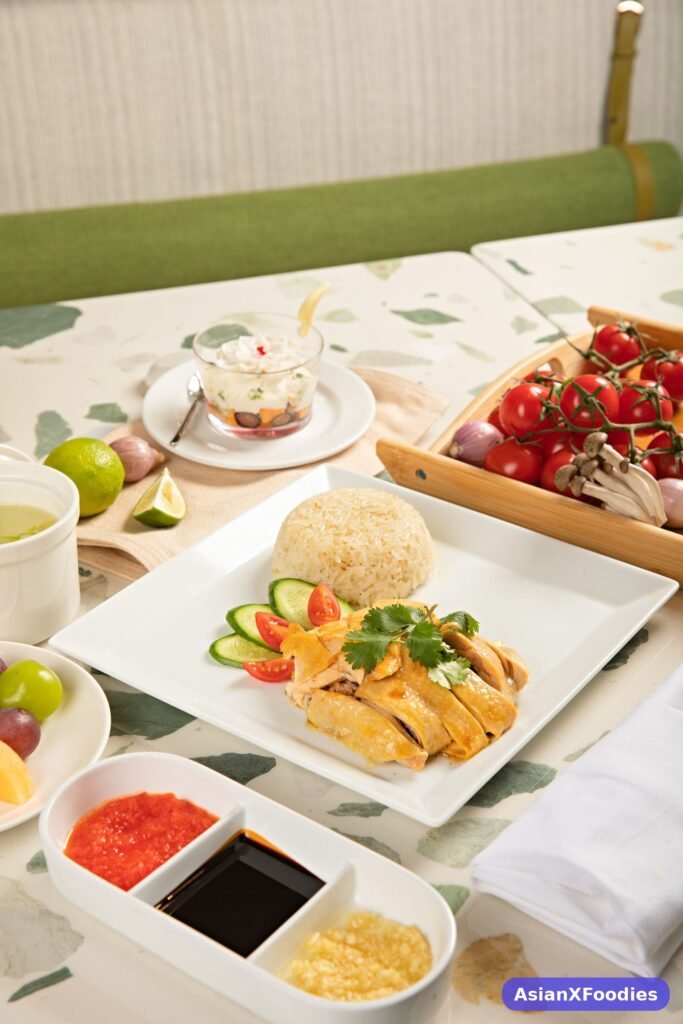
Plain steamed jasmine rice is the classic partner, and it is the one I reach for most often, because the rice soaks up the sauce and there is nothing to distract from the chicken. But if you want to make it a fuller meal, there are a few sides that work especially well. A simple cucumber salad — sliced cucumber, rice vinegar, a pinch of sugar, and a little salt — cuts through the richness and takes two minutes to make. Steamed broccoli or stir-fried green beans add colour and crunch, and they are both happy to share a plate with this sauce. If you are feeding a crowd, a big bowl of easy chicken fried rice without sesame oil turns this into a proper takeout-style spread, the kind where everyone helps themselves and goes back for seconds.
For drinks, I usually put a jug of iced green tea on the table, or just cold water with lemon. The dish is rich enough that you do not need anything fancy alongside it. If it is a Friday night and you are feeling celebratory, a cold lager works too — the carbonation cleans the palate between bites in a way that still water does not. I keep the serving style simple: rice in bowls, chicken spooned over the top, spring onions and sesame seeds scattered over everything, and the extra sauce from the wok drizzled over the rice. There is no need for garnish beyond that. The dish looks good on its own.
If you are making this for a dinner party, serve it family-style in a big shallow bowl in the middle of the table, with the rice in a separate bowl and a serving spoon in each. People take as much as they want, and the chicken stays crisp longer in a shallow bowl than it does piled up in a deep one. I did this last month for six people, doubling the recipe and frying in four batches, and it worked perfectly — the only problem was that there were no leftovers, which is a problem I am happy to have.
Storage and Reheating
Leftovers keep well in the fridge for up to three days in a sealed container, though the coating will soften as it sits in the sauce. That is normal, and it still tastes good — the sauce soaks into the chicken and it becomes more like a braised dish, which is its own kind of comfort food. I usually eat the leftovers cold the next day for lunch, straight from the container, standing at the fridge, which tells you everything you need to know about how good the sauce is.
To reheat, the best method is a hot oven or an air fryer. Spread the chicken in a single layer on a tray and heat it at 190°C for about eight minutes, or in the air fryer at 180°C for five minutes, until it is hot through and the coating has crisped up again. A microwave will heat it fine, but the coating will stay soft, so I only use it when I am in a real hurry. If you have leftover sauce separate from the chicken, reheat the sauce in a small pan and toss the crisped chicken through it — that is the closest you will get to the fresh version.
Do not freeze this dish once it is sauced, because the coating turns soggy on defrosting and never quite recovers. If you want to freeze it, freeze the fried, unsauced chicken pieces in a single layer on a tray, then bag them once frozen. They will keep for up to a month. Reheat them from frozen in a hot oven until crisp, make a fresh batch of sauce — it takes two minutes — and toss them together. It is almost as good as fresh, and it is a very useful thing to have in the freezer on a busy night.
Frequently Asked Questions
Can I make General Tso’s chicken with chicken breast instead of thighs?
Yes, you can, and I have done it many times when thighs were not in the shop. Cut the breast into slightly larger pieces, about four centimetres across, so they do not dry out in the oil, and fry them for about two and a half minutes instead of three. The coating and the sauce are the same. Thighs are juicier and more forgiving, which is why I recommend them, but breast works well, especially if you are careful not to overcook it. If you are nervous about dryness, take one piece out and cut it open — it should be white all the way through with clear juices, not pink, and still moist inside.
Why did my chicken coating fall off in the oil?
This usually happens for one of three reasons. The chicken was too wet when you coated it, the coating did not get its five minutes to rest and stick, or the oil was not hot enough when the chicken went in. Pat the chicken dry before marinating, let the coated pieces sit for five minutes before frying, and make sure the oil is properly hot — a pinch of cornstarch should sizzle hard the moment it touches the oil. Also, do not move the pieces for the first minute after they go in. They need that time to set. Once the coating has set, it will stay put.
Can I make the sauce ahead of time?
Yes, and it is a good idea if you are cooking for a crowd. Whisk the sauce ingredients together and keep them in a jar in the fridge for up to three days. Stir it well before using, because the sugar and tomato paste settle. Make the cornstarch slurry fresh when you cook, because it goes lumpy if it sits too long. Having the sauce ready means the last three minutes of cooking are calm instead of frantic, which is worth a lot on a busy night.
Is General Tso’s chicken very spicy?
Not in this version. The dried chillies and chilli flakes give it a warm, slow heat that builds as you eat, but it is not a fiery dish. Most people who say they do not like spicy food eat this happily. If you want it milder, leave out the chilli flakes and use only three dried chillies. If you want it hotter, add a teaspoon of chilli crisp or a sliced fresh chilli. The heat is easy to adjust, and I would rather you adjust it to your taste than follow my numbers exactly. If you enjoy a milder sweet-savoury glaze, my easy Japanese teriyaki chicken without mirin uses the same glossy-sauce idea with no heat at all.
Can I bake or air fry the chicken instead of deep frying?
Yes, you can. For the oven, spread the coated chicken on a wire rack over a tray, spray or brush lightly with oil, and bake at 220°C for about eighteen minutes, turning once, until golden and crisp. For the air fryer, cook at 200°C for twelve minutes, shaking the basket halfway through. The coating will not be quite as craggy or as crisp as the fried version, but it is still good, and the sauce makes up for a lot. I use the air fryer version on weeknights when I do not want to deal with a pan of oil, and nobody at my table has ever complained.
What should I serve with General Tso’s chicken?
Steamed jasmine rice is the classic choice, and it is the one I recommend first, because the sauce drips into the rice and that is half the pleasure of the dish. A simple cucumber salad, steamed broccoli, or stir-fried green beans all work well alongside it. If you want to learn more about how other cooks balance the sweetness and heat in this dish, the BBC Good Food version of General Tso’s chicken is a useful comparison, and RecipeTin Eats has a detailed General Tso’s chicken guide with step-by-step photos that show the frying stage clearly.